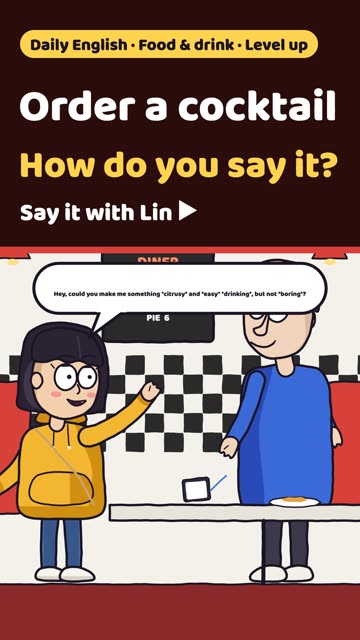
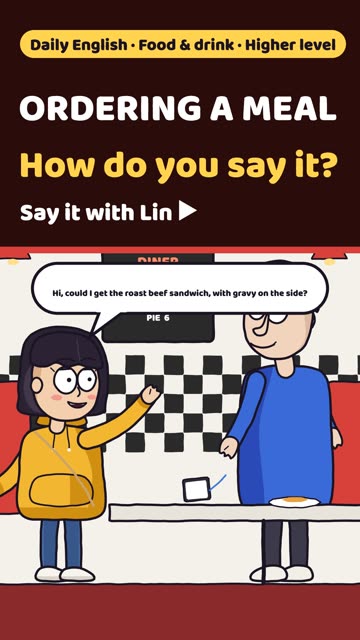
Asking for a sample at a market stall in English (advanced)
Advanced English for asking for a sample at a market stall. Key line: “Hi, could I try a tiny sample first?”
Full script
Asking for a sample at a market stall: how it really goes
You are at a market stall and want to try a bite before you buy. You will learn how to ask for a sample and how to say you like it and want one.
Advanced This version focuses on a small twist in the chat, with more nuance, humor, and natural buying language.
Ask first, then taste
At a market stall, it is normal to ask before you take a sample. Sellers may offer a small bite, but sometimes they keep it tiny if they have many people waiting.
Why these lines sound natural
“Can I try a sample?” is simple and polite. “I'd like one, please.” works well after you taste it, because it sounds calm and clear. Native speakers often keep this short and do not over explain.
The common trap
A lot of learners say something too direct or too literal, like “Give me a sample” or “Can I taste it?” For buying food, “Can I try a sample?” or “Could I have a sample?” sounds more natural and softer.
The same moment at three levels
What Lin says first in each version. Pick the one that feels a little hard.
Quick check
1They say: “Of course—this one's our best seller, so no pressure if you fall in love.” What do you say?
That's Lin's line in the scene.
2They say: “Just fruit, a little honey, and patience. My aunt says patience is expensive.” What do you say?
That's Lin's line in the scene.
Key phrases
The lines worth keeping. Read them once before you go out.
Ask to taste first
first sounds softer
Polite: no need to buy.
Softens sales talk
A quick warning.
Often half-joking
You won me over.
More natural than I'll take it
Common phrases in this scene
Quick answers
What does “Could I try a tiny sample first” mean, and when do you say it?
“Could I try a tiny sample first?”: ask to taste first. first sounds softer.
What does “No pressure” mean, and when do you say it?
“No pressure.”: polite: no need to buy. Softens sales talk.
What does “Fair warning” mean, and when do you say it?
“Fair warning.”: a quick warning. Often half-joking.
What does “You've convinced me” mean, and when do you say it?
“You've convinced me.”: you won me over. More natural than I'll take it.