Inviting a new coworker to lunch in English (advanced)
Advanced English for inviting a new coworker to lunch. Key line: “Hey, if you haven't made plans yet, want to grab lunch together?”
Full script
Inviting a new coworker to lunch: how it really goes
This is a simple office moment where you invite a new coworker to lunch. You can learn how to ask naturally, answer kindly, and set a time.
Advanced This version shows more nuance, like soft planning, joking, and sounding natural with a new coworker.
Lunch invites are normal
At work, it is normal to invite a new coworker to lunch. Keep it friendly and simple, not too formal. They may say yes right away, or they may say they already have plans.
These lines sound natural
“Do you want to get lunch together?” sounds clear and friendly. “How about twelve?” works because English often drops extra words in fast conversation, so it feels natural and easy.
The common trap
A learner may say, “I invite you to eat lunch with me,” which sounds stiff. A better line is, “Do you want to get lunch together?” or “Want to grab lunch?”
The same moment at three levels
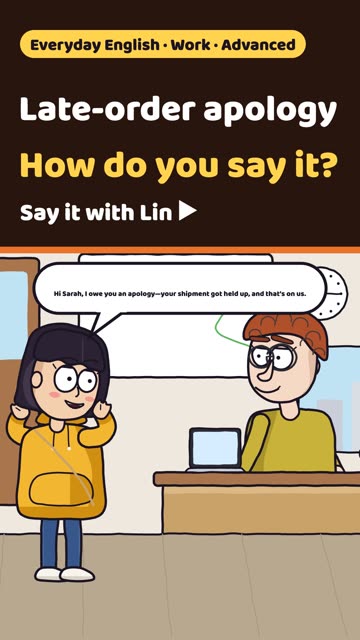
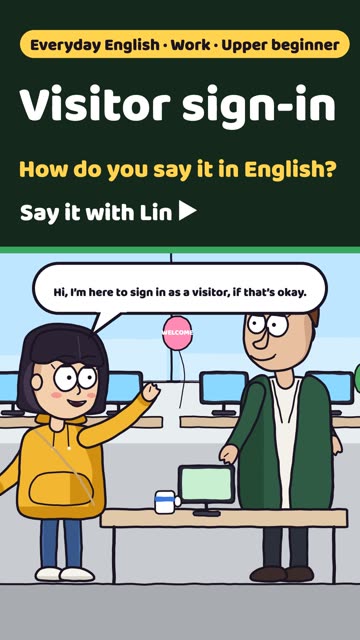
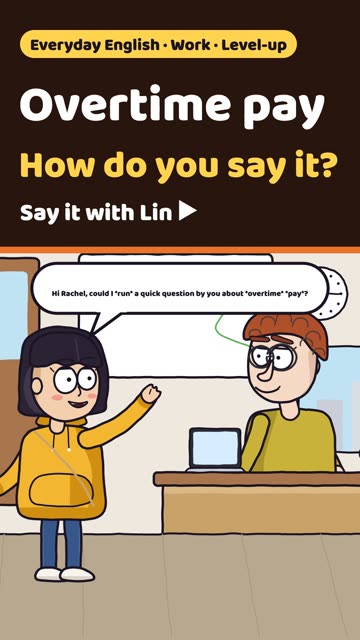
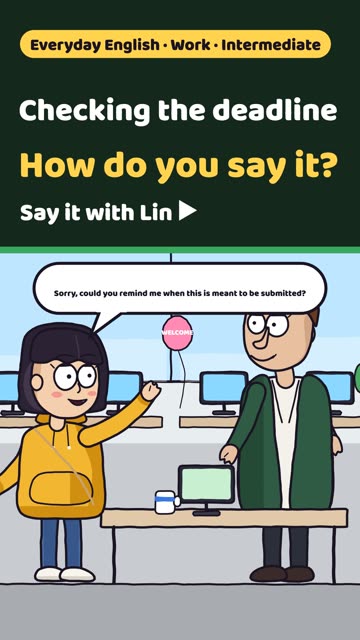
What Lin says first in each version. Pick the one that feels a little hard.
Quick check
1They say: “I'd love to—I'm still figuring out the good spots around here.” What do you say?
That's Lin's line in the scene.
2They say: “Honestly, that's perfect, and I could use a guide during my first week.” What do you say?
That's Lin's line in the scene.
Key phrases
The lines worth keeping. Read them once before you go out.
Checking if they're free
Polite way to ask if they're free
Ask to have lunch together
grab is casual, not literal
Nice places near here
spot can mean a place or shop
Choose the safer option
Often means a careful choice
Common phrases in this scene
Quick answers
What does “have plans yet” mean, and when do you say it?
“have plans yet”: checking if they're free. Polite way to ask if they're free.
What does “grab lunch together” mean, and when do you say it?
“grab lunch together”: ask to have lunch together. grab is casual, not literal.
What does “good spots around here” mean, and when do you say it?
“good spots around here”: nice places near here. spot can mean a place or shop.
What does “play it safe” mean, and when do you say it?
“play it safe”: choose the safer option. Often means a careful choice.