Paying the utility bills in English
Everyday English for paying the utility bills. Key line: “Hi, can I pay my water and electricity bills here?”
Full script
Paying the utility bills: how it really goes
You are paying utility bills at a counter, and the staff checks your account and how you want to pay. After this, you can say how to pay, ask whether you can pay together or separately, and ask for a receipt.
Intermediate This version focuses on everyday small talk at the counter and simple choices like together or separately.
How this usually goes
At a utility office or service desk, they often ask for your account number first and then the payment method. In the US, people usually say water and electricity bills; in the UK, the names may be a little different, but the process is still direct and routine.
Why these lines work
“Can I pay my water and electricity bills here?” is natural because it is clear and polite. “I’ll tap my card” also sounds real in daily speech, because people often use short, simple lines at the counter.
A common trap
A learner may say “I want to pay water and electric bill,” which sounds too direct and has a grammar problem. A better line is “I'd like to pay my water and electricity bills,” or “Can I pay my bills here?”
The same moment at three levels
What Lin says first in each version. Pick the one that feels a little hard.
Quick check
1They say: “Yep, I can help. Do you have the account number?” What do you say?
That's Lin's line in the scene.
2They say: “Fair enough. The total is sixty-eight dollars today.” What do you say?
That's Lin's line in the scene.
How to respond, line by line
When do you say “Hi, can I pay my water and electricity bills here?”
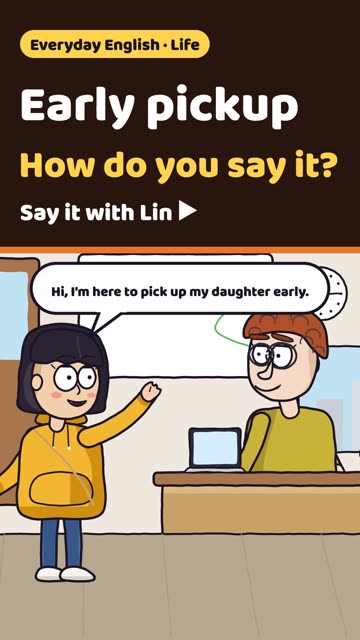
Hi, can I pay my water and electricity bills here?
Lin asks politely if this is the right place, using a soft question with can I.
How do you respond to “Yep, I can help. Do you have the account number?”
Lin answers: I do. Can I pay them together, or separately?
The worker answers fast and friendly, then asks for the account number to find the bill.
How do you respond to “Together is fine, unless you want two tiny receipts”?
Lin answers: One is perfect. My wallet already looks stressed.
The worker gives a practical option and adds a joking comment about two receipts.
How do you respond to “Fair enough. The total is sixty-eight dollars today”?
Lin answers: Great, I'll tap my card. Please keep the lights on.
The worker gives the total directly; Fair enough sounds calm, not strict.
Useful phrases from this scene
What does “pay my water and electricity bills” mean?
pay the water and power bills.
Hi, can I pay my water and electricity bills here?
What does “Can I pay” mean?
May I pay.
Hi, can I pay my water and electricity bills here?
What does “Do you have the account number” mean?
Do you have the account number.
Yep, I can help. Do you have the account number?
What does “together, or separately” mean?
all at once, or separately.
I do. Can I pay them together, or separately?
What does “Together is fine” mean?
Paying together is fine.
Together is fine, unless you want two tiny receipts.
What does “two tiny receipts” mean?
two small receipts.
Together is fine, unless you want two tiny receipts.
What does “One is perfect” mean?
One is just right.
One is perfect. My wallet already looks stressed.
What does “looks stressed” mean?
looks very worried.
One is perfect. My wallet already looks stressed.
What does “Fair enough” mean?
That makes sense. fair enough →
Fair enough. The total is sixty-eight dollars today.
What does “The total is” mean?
The total comes to.
Fair enough. The total is sixty-eight dollars today.
What does “I'll tap my card” mean?
I'll pay by card.
Great, I'll tap my card. Please keep the lights on.
What does “keep the lights on” mean?
keep the power working.
Great, I'll tap my card. Please keep the lights on.
What does “Done” mean?
Finished.
Done — and your shower gets to stay in business, too.
What does “stay in business” mean?
keep working normally.
Done — and your shower gets to stay in business, too.
Common mistakes here
Other ways they might say it
≈ Yep, I can help. Do you have the account number?
≈ Together is fine, unless you want two tiny receipts.
≈ Fair enough. The total is sixty-eight dollars today.
Key phrases
The lines worth keeping. Read them once before you go out.
Ask if you can pay here
First, check the location
Staff asks for your account number
Common when paying bills
Ask to pay together or separately
"them" = the bills above
Say you will pay by tap
tap = pay contactlessly
Common phrases in this scene
Quick answers
What does “Can I pay my water and electricity bills here” mean, and when do you say it?
“Can I pay my water and electricity bills here?”: ask if you can pay here. First, check the location.
What does “Do you have the account number” mean, and when do you say it?
“Do you have the account number?”: staff asks for your account number. Common when paying bills.
What does “Can I pay them together, or separately” mean, and when do you say it?
“Can I pay them together, or separately?”: ask to pay together or separately. "them" = the bills above.
What does “I'll tap my card” mean, and when do you say it?
“I'll tap my card.”: say you will pay by tap. tap = pay contactlessly.