Buying high-speed rail tickets in English (advanced)
Advanced English for buying high-speed rail tickets. Key line: “Hey, could I get two high-speed tickets to Nanjing for tomorrow morning?”
Full script
Buying high-speed rail tickets: how it really goes
This scene shows a simple ticket-buying talk at a high-speed rail counter in China. After this, you can ask for the trip, choose a seat, and handle the passport part with natural English.
Advanced This version focuses on natural softeners, small humor, and extra detail.
Start with the trip
At a rail counter, people usually begin with the place, the time, and how many tickets they want. “I'd like one ticket to Suzhou, please.” sounds polite and clear. In China, the staff may also ask for your passport right away.
Short lines sound natural
“When do you want to go?” and “One window seat, please.” work because they are short and direct. Native speakers often leave out extra words, especially at a counter. The order is simple: ticket first, then details.
Do not translate word for word
A common mistake is saying something like “I want one high-speed train ticket” or “window seat one.” That sounds like direct translation from Chinese. Better is “I'd like one ticket to Suzhou” and “One window seat, please.”
The same moment at three levels
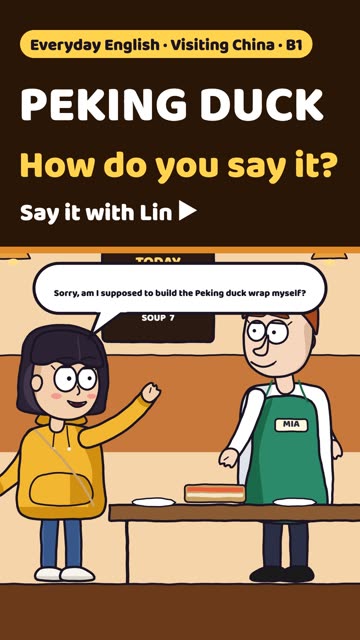
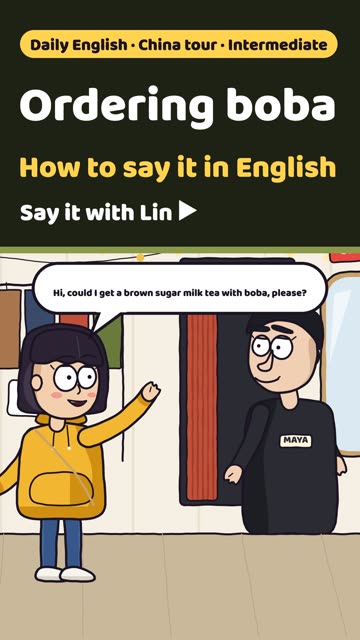
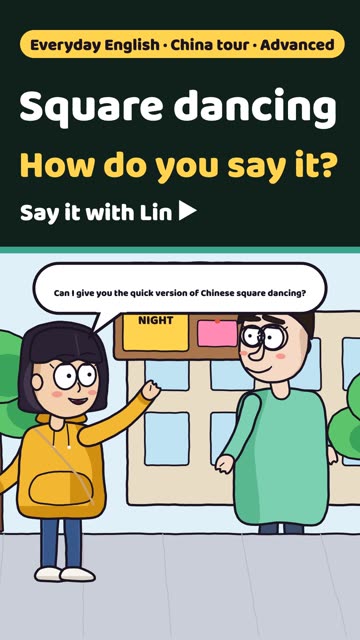
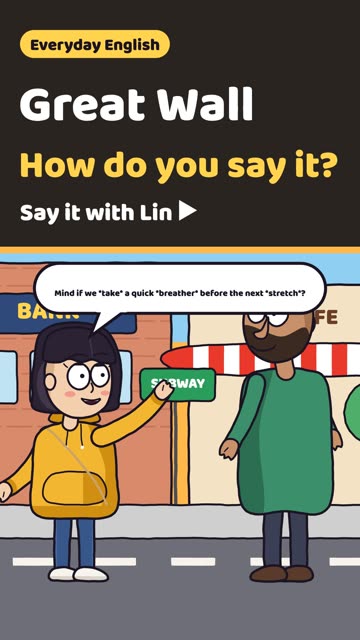
What Lin says first in each version. Pick the one that feels a little hard.
Quick check
1They say: “Sure—what time were you hoping to head out, and do you want first class?” What do you say?
That's Lin's line in the scene.
2They say: “No problem. I'll need both passports, and you'll board from Hongqiao Station.” What do you say?
That's Lin's line in the scene.
Key phrases
The lines worth keeping. Read them once before you go out.
Polite request
Good for tickets/food
pick a time
softer wording
For seat requests
Common and useful
2nd class is OK
is fine = OK for me
Common phrases in this scene
Quick answers
What does “Could I get ... ” mean, and when do you say it?
“Could I get ... ?”: polite request. Good for tickets/food.
What does “What time were you hoping to head out” mean, and when do you say it?
“What time were you hoping to head out?”: pick a time. softer wording.
What does “If there's a window seat” mean, and when do you say it?
“If there's a window seat”: for seat requests. Common and useful.
What does “Second class is fine” mean, and when do you say it?
“Second class is fine.”: 2nd class is OK. is fine = OK for me.