
Spoken English phrase
What does “no problem” mean?
"No problem" often means "it's okay", "sure", or "don't worry". People use it to say yes to a request, reply to thanks, or help the other person relax.
When people say it
- To say yes to a small request: "Can I use this chair?" — "No problem."
- To calm someone after a small mistake or apology: "Sorry about that." — "No problem."
- To reply to "Thanks": "Thanks for your help." — "No problem."
- In service talk, before the next question: "No problem. Card or cash?"
Tone: Casual to neutral, friendly, and very common in everyday English; in very formal situations, "You're welcome" may be safer.
Careful: Do not take it too literally as only "there is no problem". In conversation, it often means "sure" or "don't worry"; for a more formal reply to thanks, use "You're welcome".
In 12 of Lin's scenes
Real lines from the scenes. Open one to watch it and say it yourself.
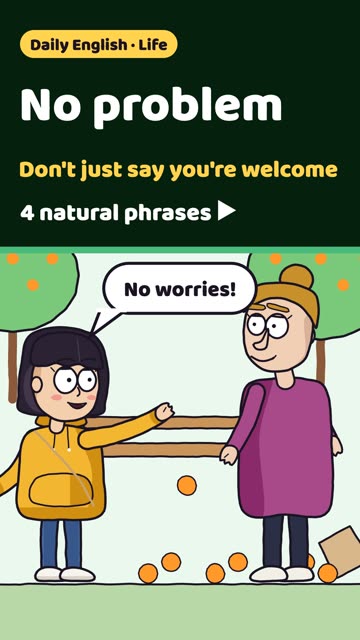
No problem! One rolled under the bench.Saying "you're welcome" · Intermediate
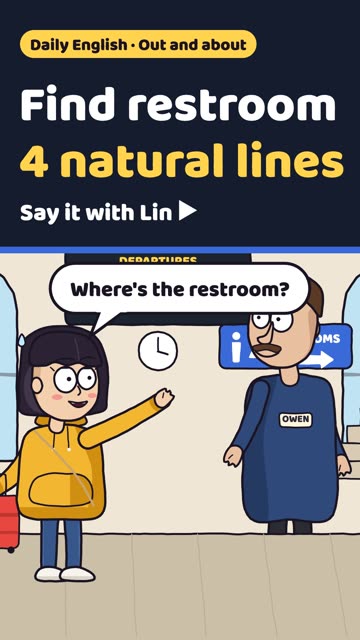
Yep, it's free. No problem!Asking where the restroom is · Intermediate
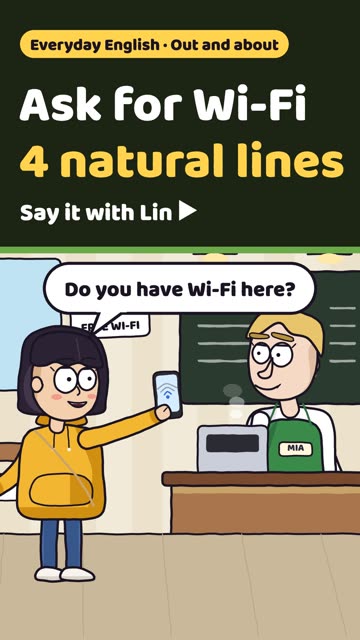
No problem. Is there an outlet near here?Asking for the Wi-Fi password · Intermediate
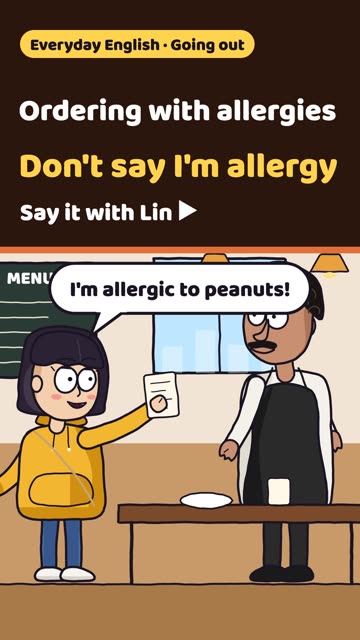
No problem. Your safety comes first.Telling a waiter about a food allergy · Intermediate
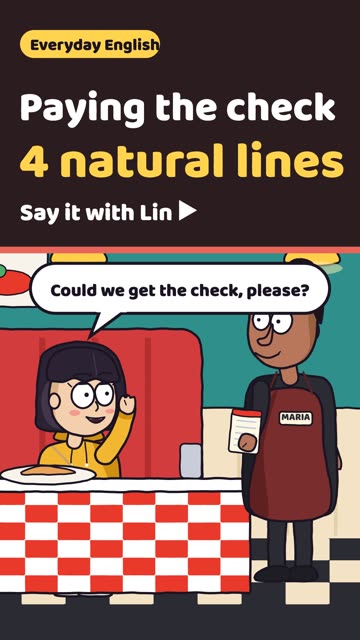
No problem. Do you want a box for the rest?Paying the check · Intermediate
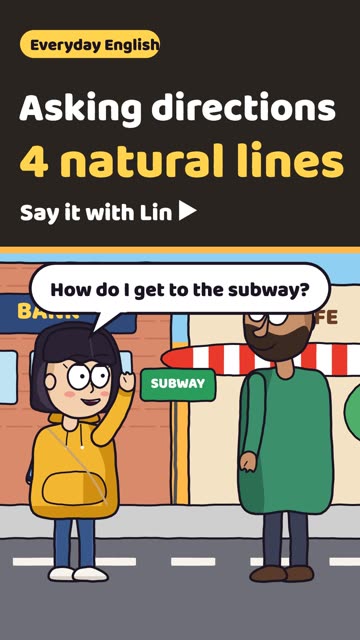
No problem. Have a good day!Asking for directions · Intermediate
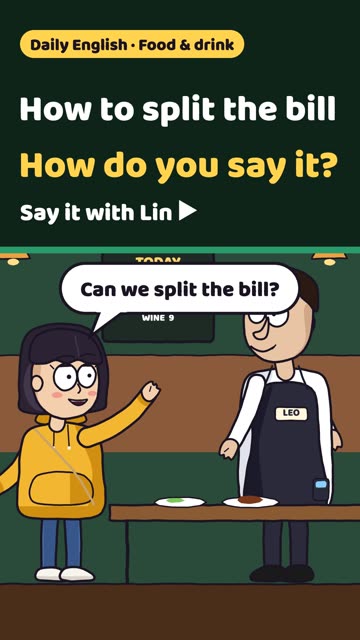
No problem. Card or cash?Splitting the bill · Intermediate
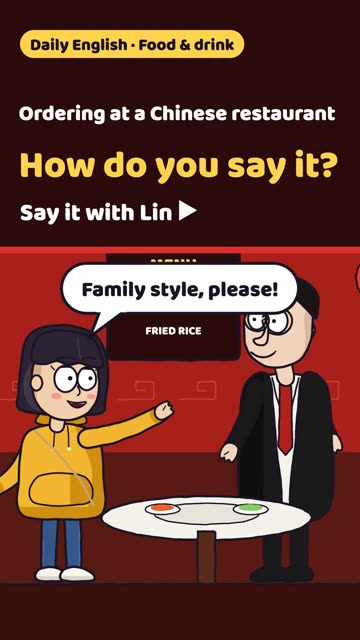
No problem. Anything else?Ordering at a Chinese restaurant · Intermediate
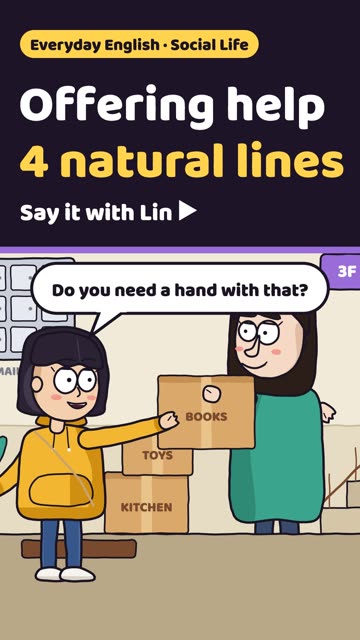
No problem. Let's take it slow.Offering help · Intermediate

No problem. There you go, you're all set!Buying a SIM card · Intermediate
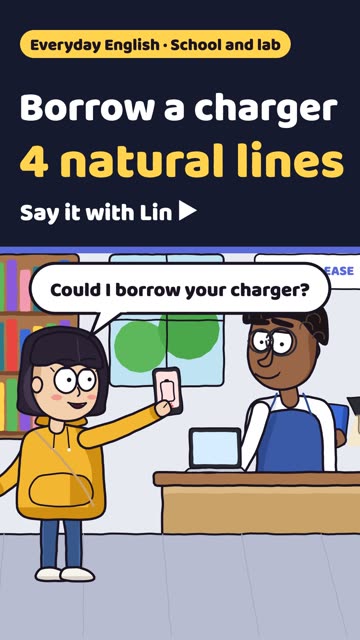
No problem. I'll give it back before then.Borrowing a charger · Intermediate
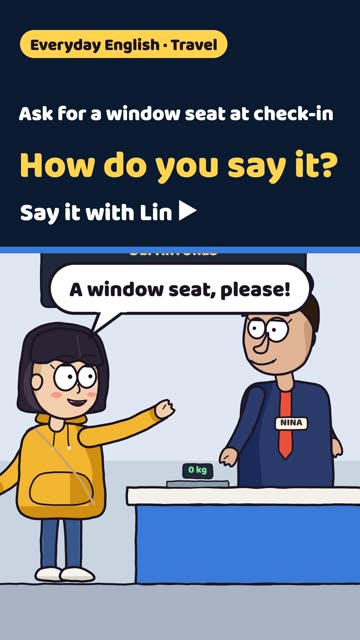
No problem. I'll just wear three jackets.Asking for a window seat · Intermediate
Other ways to say it
You're welcome
More standard and a little more formal after "thank you".
Sure
Very common for saying yes to a request.
Don't worry about it
Better when someone is worried or says sorry.
Quick answers
Can "no problem" mean "you're welcome"?
Yes. Many people say it after "thank you", especially in casual speech and service situations.
Is "no problem" rude?
Usually not. It is normal and friendly, but in very formal situations, "You're welcome" can sound better.