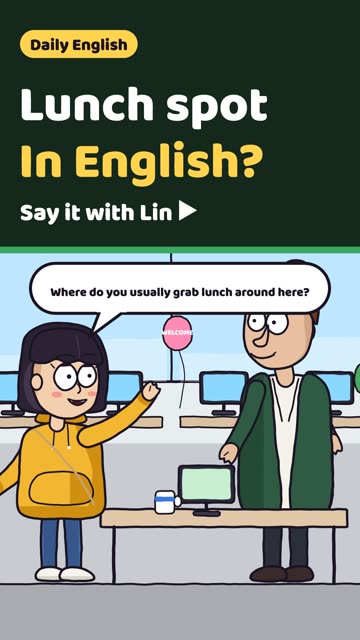
Declining a meeting invite in English
Everyday English for declining a meeting invite. Key line: “I can't today, but thanks for asking me.”
Full script
Declining a meeting invite: how it really goes
This scene is about saying no to a work meeting invite. You will learn how to decline politely and still stay helpful.
Intermediate Focus on everyday work talk, with thanks, a short reason, and a helpful next step.
Say no clearly and kindly
At work, it is normal to say you cannot come first, then give a short reason. A long explanation can sound heavy, so a simple answer often feels more polite.
Why these lines sound natural
“I can't make it today” is a very natural way to say you are not free. “Thanks for asking me” softens the no, and it shows respect for the invite.
Avoid direct translations
Do not say “I have no time” in a flat way if you want to sound polite. A better line is “Sorry, I can't make it today” or “I can't today, but thanks for asking me.”
The same moment at three levels
What Lin says first in each version. Pick the one that feels a little hard.
Quick check
1They say: “Yeah, can you join our meeting at three this afternoon?” What do you say?
That's Lin's line in the scene.
2They say: “Fair point. I'll send the notes, and you can skip it.” What do you say?
That's Lin's line in the scene.
Key phrases
The lines worth keeping. Read them once before you go out.
Not available today.
Short, natural, common for polite decline
Polite: show appreciation for the invite
Add this after declining to sound polite
After the meeting, share the notes
notes often means meeting notes
Offer help later by message
Give another option, more thoughtful
Common phrases in this scene
Quick answers
What does “I can't today” mean, and when do you say it?
“I can't today.”: not available today. Short, natural, common for polite decline.
What does “Thanks for asking me” mean, and when do you say it?
“Thanks for asking me.”: polite: show appreciation for the invite. Add this after declining to sound polite.
What does “I'll send the notes” mean, and when do you say it?
“I'll send the notes.”: after the meeting, share the notes. notes often means meeting notes.
What does “If you need input, just message me later” mean, and when do you say it?
“If you need input, just message me later.”: offer help later by message. Give another option, more thoughtful.