Voluntariado en un evento comunitario en inglés (avanzado)
Inglés avanzado para hacer voluntariado en un evento comunitario. Línea clave: “Hey, any chance you could use one more volunteer today?”
Guion completo
Voluntariado en un evento comunitario: cómo es de verdad
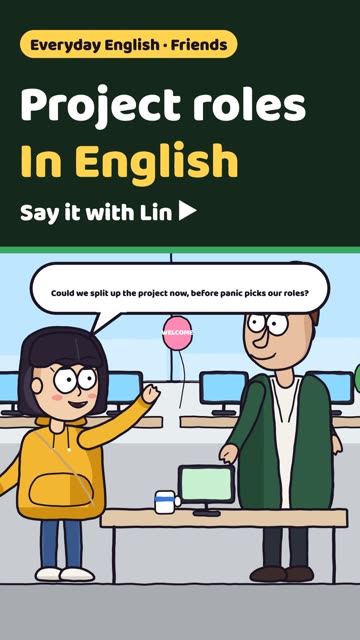
Estás ayudando en un evento comunitario, y alguien te dice qué hacer y a dónde ir. Vas a aprender a ofrecer ayuda, aceptar una tarea sencilla y preguntar dónde debes ponerte.
Avanzado Más matices para seguir indicaciones, hacer bromas y manejar un momento con mucho movimiento.
Cómo suele funcionar
En los eventos comunitarios, los voluntarios suelen preguntar qué hace falta y luego se encargan de una tarea pequeña. A menudo esperan ayuda sencilla, como repartir cosas, comprobar nombres o indicar a los visitantes por dónde ir.
Por qué funcionan estas frases
“Can I help with the event?” suena amable y abierto. “Where do you want me?” es breve y natural, porque en inglés muchas veces se omiten palabras extra cuando el sentido ya está claro.
Un error común
Quien aprende puede decir “I want to help you” o “Where should I stand?” con un tono rígido. Mejor: “Can I help?” o “Where do you want me?” Suena más natural y menos directo.
El mismo momento en tres niveles
Lo que Lin dice primero en cada versión. Elige la que te parezca un poco difícil.
Chequeo rápido
1Dicen: “Honestly, yes. If you're free, I could use help with sign-in.” ¿Qué dices tú?
Esa es la frase de Lin en la escena.
2Dicen: “A little of both. If anyone asks about parking, send them straight to me.” ¿Qué dices tú?
Esa es la frase de Lin en la escena.
Frases clave
Las líneas que vale la pena guardar. Léelas una vez antes de salir.
Forma amable: preguntar si necesitan a otro voluntario
Más educado y natural que Do you need
Dar credenciales o tarjetas con nombres a la gente
hand out = entregar a la gente
Mostrarle a la gente cómo llegar al gimnasio
toward + lugar/dirección
Decirles que vayan directamente conmigo
straight to = directamente a
Frases comunes en esta escena
Respuestas rápidas
¿Qué significa “Any chance you could use one more volunteer” y cuándo se dice?
“Any chance you could use one more volunteer?”: forma amable: preguntar si necesitan a otro voluntario. Más educado y natural que Do you need.
¿Qué significa “hand out name tags” y cuándo se dice?
“hand out name tags”: dar credenciales o tarjetas con nombres a la gente. hand out = entregar a la gente.
¿Qué significa “point people toward the gym” y cuándo se dice?
“point people toward the gym”: mostrarle a la gente cómo llegar al gimnasio. toward + lugar/dirección.
¿Qué significa “send them straight to me” y cuándo se dice?
“send them straight to me”: decirles que vayan directamente conmigo. straight to = directamente a.