Congratulating a coworker on a new baby in English (advanced)
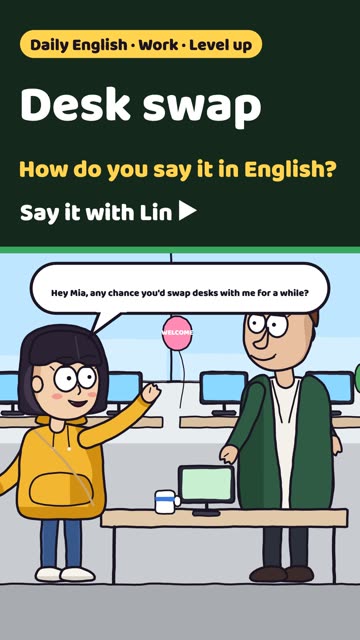
Advanced English for congratulating a coworker on a new baby. Key line: “Mia, congratulations on the baby—how are you holding up with zero sleep?”
Full script
Congratulating a coworker on a new baby: how it really goes
A coworker has a new baby, and people usually say congrats first, then ask how things are going. You will learn how to sound warm and natural, and how to offer a little support at work.
Advanced More natural work talk with warmth, small jokes, and offers of help.
How people usually talk
At work, this kind of moment is usually brief and kind. A simple “Congrats on the baby” and “How are you doing?” sounds normal; if you do not know the person well, do not ask very private questions.
Why the lines sound natural
“Congrats on your new baby” works because English often uses short, direct praise here. “I’m so happy for you” is warm but not too strong, and “How are you doing?” sounds softer than asking for details too fast.
The common trap
A common mistake is to translate from Chinese too closely, like saying “You gave birth to a baby” or using a stiff line. A better choice is “Congrats on the baby” or “I’m so happy for you,” which sounds natural and kind.
The same moment at three levels
What Lin says first in each version. Pick the one that feels a little hard.
Quick check
1They say: “Thank you! We're over the moon, but honestly, coffee is doing the heavy lifting.” What do you say?
That's Lin's line in the scene.
2They say: “Exactly. She has my husband's schedule and my talent for dramatic entrances.” What do you say?
That's Lin's line in the scene.
Key phrases
The lines worth keeping. Read them once before you go out.
asking how they're coping
More caring than just How are you
if you need me to handle things
covered often means handle it for someone
Just let me know.
shows you're ready to help
I might actually ask you for help
accepting the offer; don't read take literally
Common phrases in this scene
Quick answers
What does “How are you holding up” mean, and when do you say it?
“How are you holding up?”: asking how they're coping. More caring than just How are you.
What does “If you need anything covered” mean, and when do you say it?
“If you need anything covered”: if you need me to handle things. covered often means handle it for someone.
What does “Just say the word” mean, and when do you say it?
“Just say the word.”: just let me know. shows you're ready to help.
What does “I may take you up on that” mean, and when do you say it?
“I may take you up on that.”: i might actually ask you for help. accepting the offer; don't read take literally.