
What does “I owe you (one)” mean?
"I owe you one" means "You helped me, and I should return the favor later." Here, "one" means "one favor," not "one thing."
When people say it
- Say it after a small favor: "Thanks, Ben. I owe you one!"
- Use it when someone helps you with a problem: "Thank you so much. I owe you one!"
- Replace "one" with something specific when you want to treat them: "I owe you a coffee."
- Use playful versions with friends: "I owe you my life." / "I owe you a cookie."
Tone: Usually casual to neutral, warm, and friendly. It is a bit casual for very formal situations, and it can sound slightly heavy if the other person does not want anything back.
See it in a scene
Thanks, Ben. I owe you one!
Practise it in “Asking a coworker for help”In 12 of Lin's scenes
Real lines from the scenes. Open one to watch it and say it yourself.
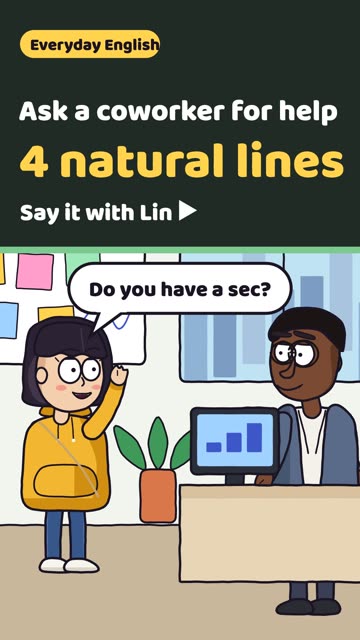
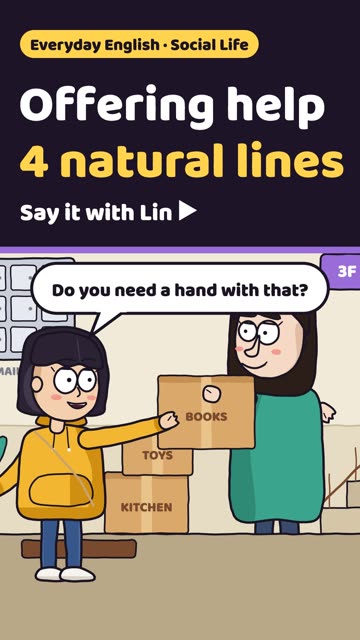
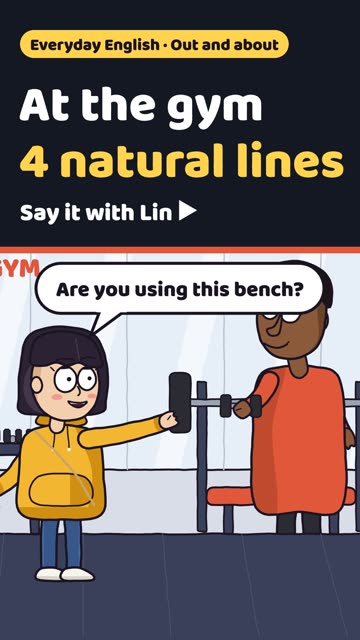
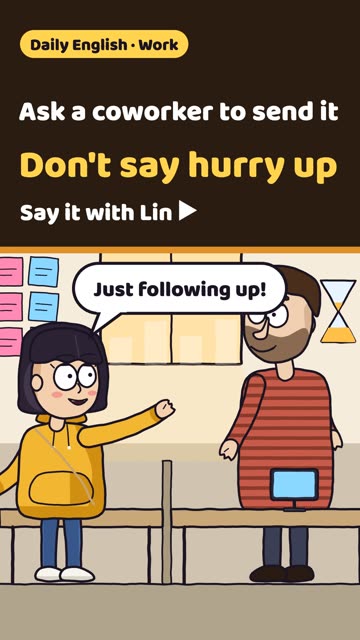
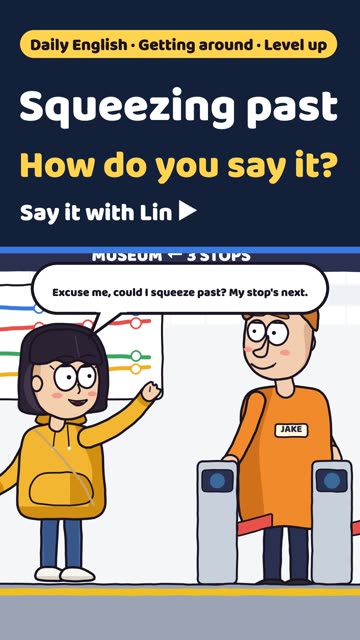
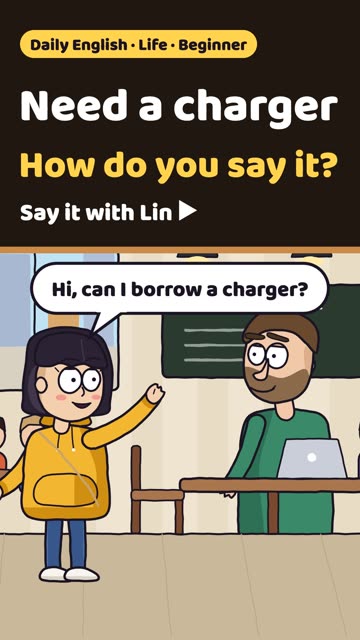
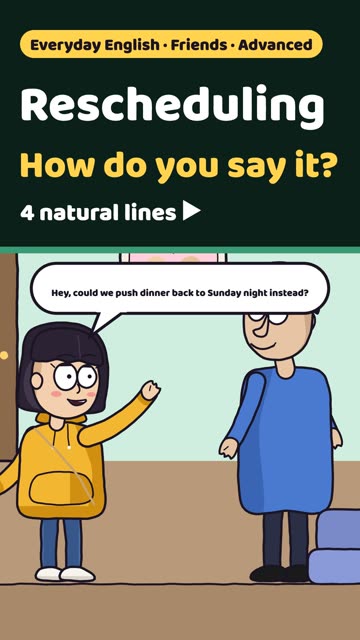
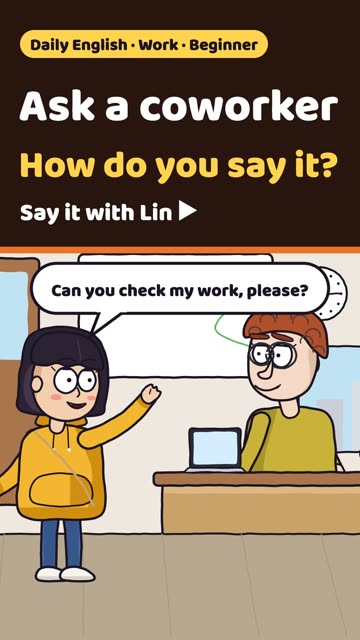
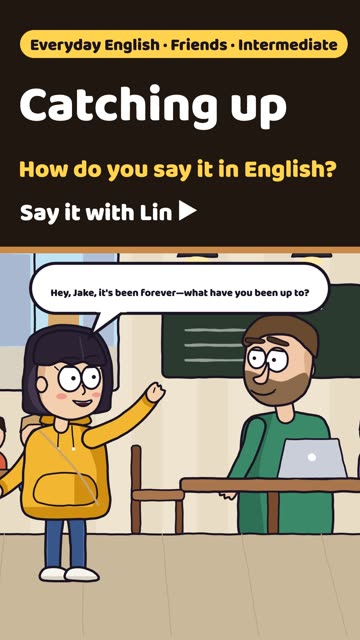
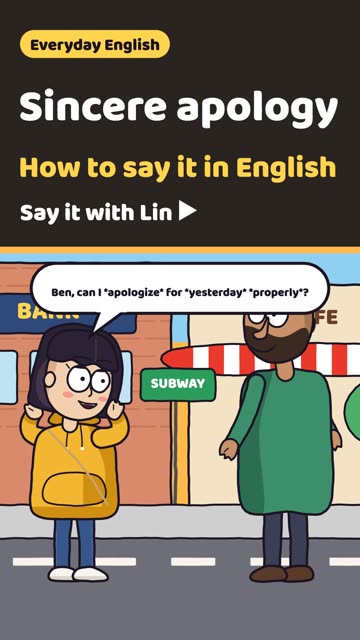
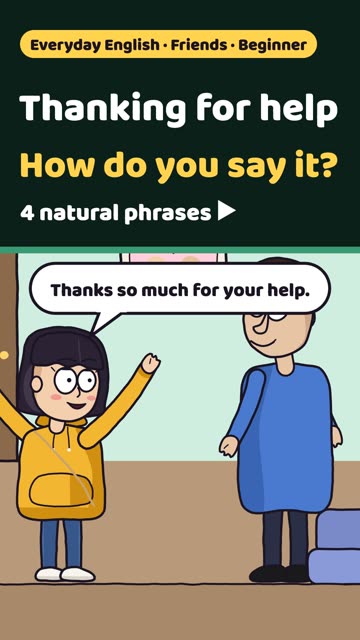
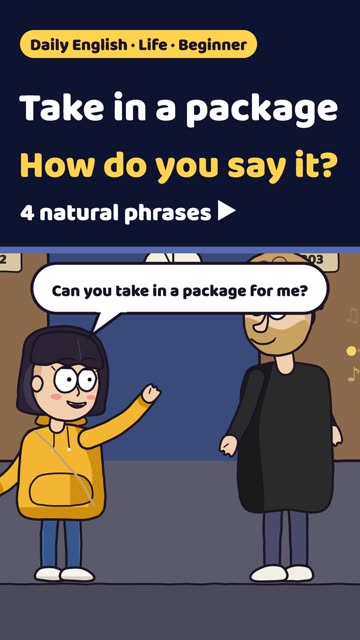
Shadow
Line by line
Ask Lin about “I owe you (one)”
Other ways to say it
More direct and explicit about the favor.
Very natural when someone paid or helped this time, and you will do it next time.
Better when you caused trouble and want to compensate.
Quick answers
Do I always have to really repay "I owe you one"?
No. Often it is just a friendly way to say thanks after a small favor. But after a bigger favor, people may expect you to remember it.
What is the difference between "I owe you" and "I owe you one"?
"I owe you one" usually means "I owe you a favor." "I owe you" often needs more words after it, like "I owe you $10" or "I owe you an apology," unless the context already makes it clear.