
What does “I was hoping…” mean?
"I was hoping..." is a soft way to say what you wanted or expected. In conversation, it often sounds polite, personal, and sometimes a little disappointed.
When people say it
- Say what you wanted, often with for + noun: "I was hoping for a lower price."
- Make a polite request, often with you could: "I was hoping you could help me."
- Show mild disappointment: "I was hoping the coffee would help."
- Share an expectation in a natural way: "I was hoping we'd talk tonight."
Tone: It is casual to neutral and usually polite; it softens your wish or request, but it can also hint that things did not go exactly how you wanted.
See it in a scene
That's exactly the kind of compliment I was hoping for today.
Practise it in “Giving and receiving compliments”In 12 of Lin's scenes
Real lines from the scenes. Open one to watch it and say it yourself.
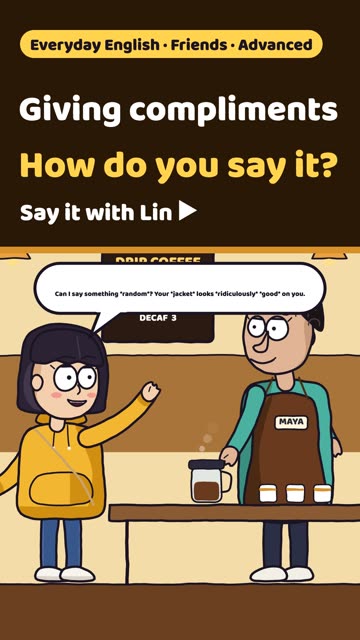
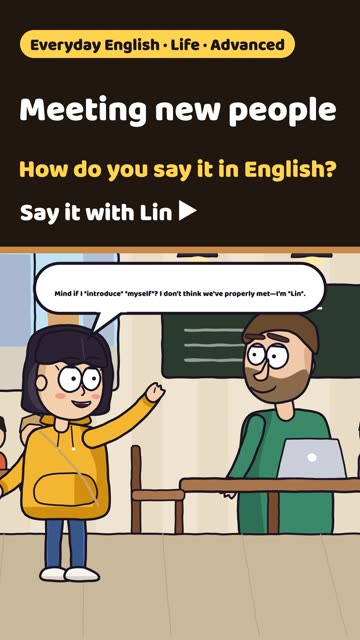
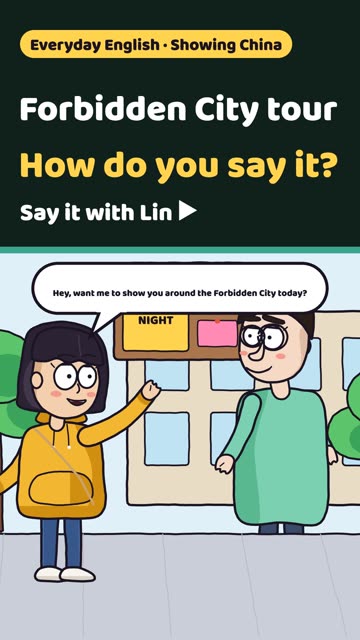
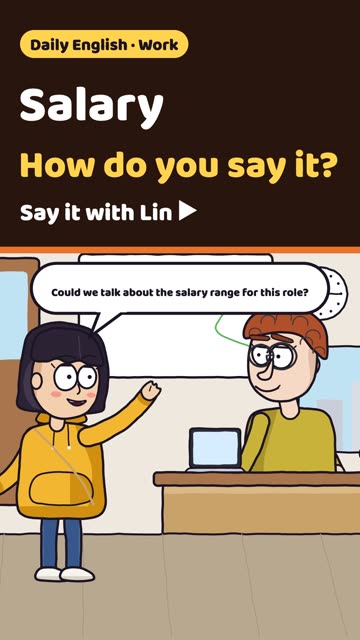
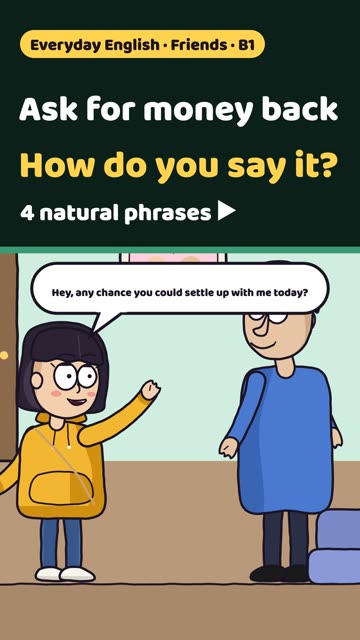
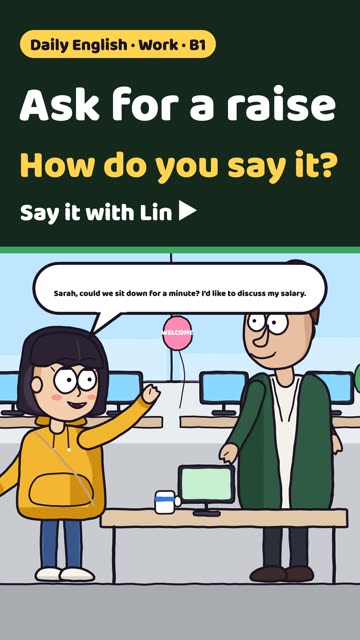
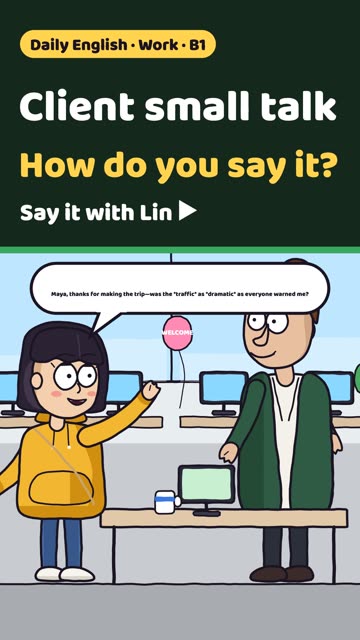
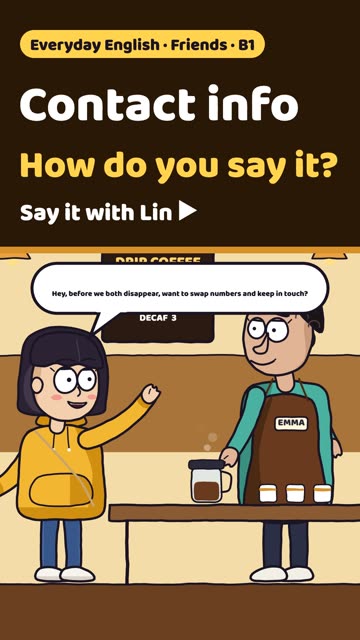
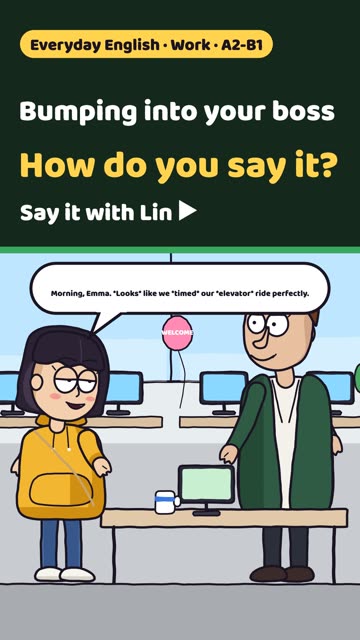
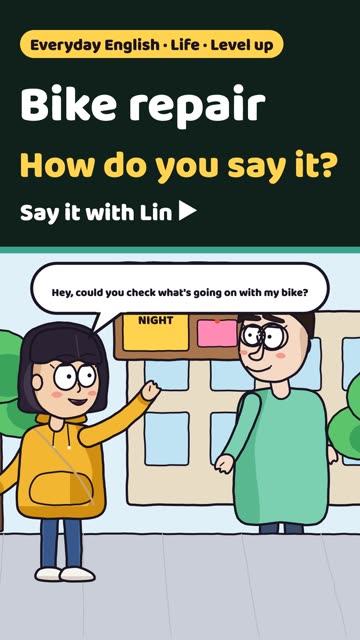
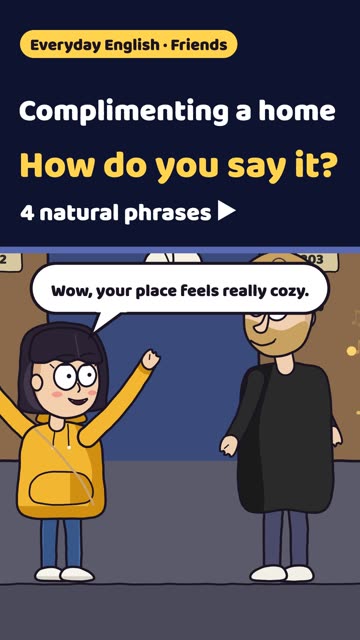
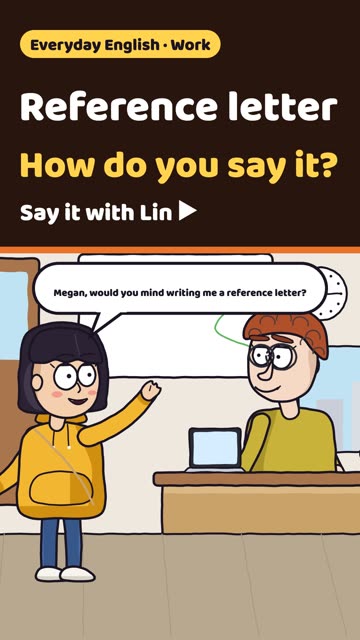
Shadow
Line by line
Ask Lin about “I was hoping…”
Other ways to say it
Softer and more tentative.
Very similar in meaning; shorter, and sometimes slightly more formal.
Stronger feeling, often more emotional or more disappointed.
Quick answers
Why do people say "I was hoping" for something happening now?
The past form often makes the sentence softer and more polite. It does not always mean the hope belonged only to the past.
What is the difference between "I hope" and "I was hoping"?
"I hope" is more direct and general. "I was hoping" is softer, and people often use it for requests, expectations, or gentle disappointment.