
What does “good to know” mean?
"Good to know" means the information is useful or worth keeping in mind. People say it to show they heard you, often before adding a question, a plan, or a light comment.
When people say it
- After practical information. Example: "The front door sticks." "Good to know."
- Before a follow-up question. Example: "Good to know. Who do I check in with?"
- To react lightly and keep the mood easy. Example: "Good to know. I'll blame the building."
- When someone gives a warning or tip. Example: "No peanuts." "Good to know."
Tone: Neutral to casual and polite; it can sound a little flat if the other person shared something very serious.
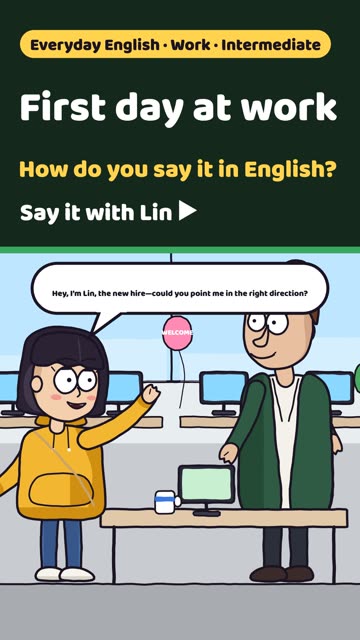
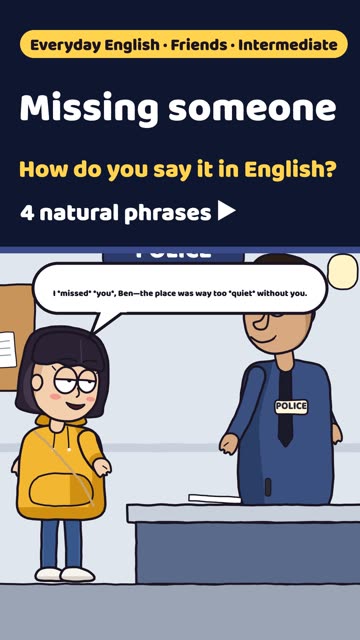
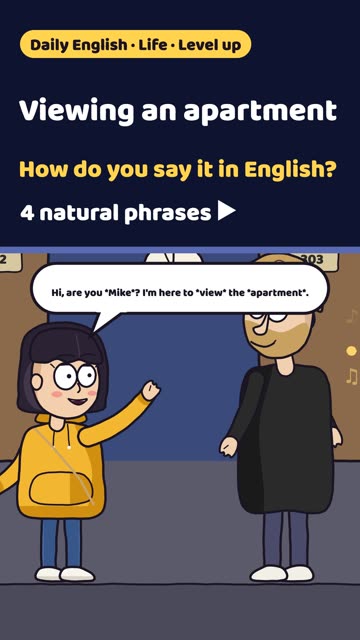
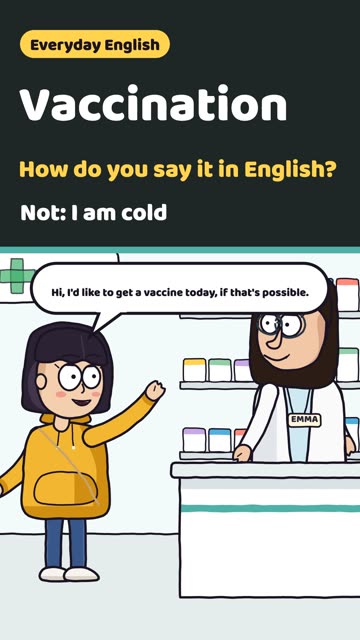
In 12 of Lin's scenes
Real lines from the scenes. Open one to watch it and say it yourself.








Other ways to say it
More direct. It means you understand and will remember.
Stronger focus on the information being useful.
More polite when someone is giving you a heads-up.
Quick answers
Is "good to know" sarcastic?
Usually no. It is normally sincere and practical. It can sound sarcastic only if the speaker's tone or context is clearly joking or annoyed.
Can I say "good to know" in formal situations?
Yes, in many normal work situations it is fine. For more formal or careful communication, "Thank you for letting me know" is safer.