
What does “don't worry” mean?
"Don't worry" means "it is okay" or "you do not need to feel nervous about this". People say it to reassure someone, make a situation feel easier, or soften what they say next.
When people say it
- To calm someone before a request: "Don't worry. Can I see your ID?"
- When someone makes a small mistake or feels awkward: "Don't worry, this happens all the time."
- To tell someone there is still time or the problem is small: "Don't worry, you still have time."
- When someone thinks they are bothering you: "Don't worry, I can help."
Tone: Usually casual to neutral and friendly, but it can sound dismissive if the other person is very upset or talking about a serious problem.
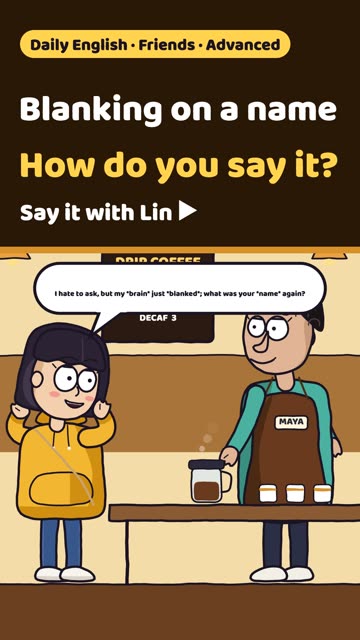
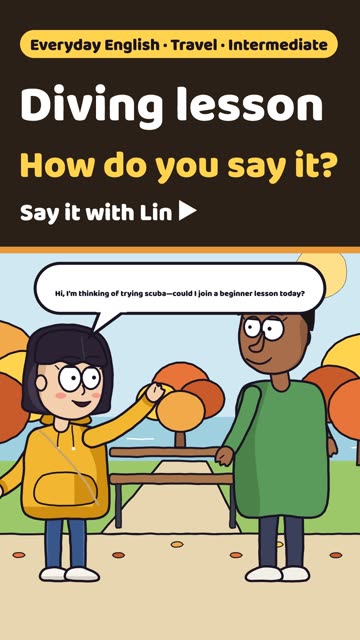
In 8 of Lin's scenes
Real lines from the scenes. Open one to watch it and say it yourself.






Other ways to say it
Softer and very common for small mistakes or awkward moments.
More casual, and very common in Australian English. It can also mean "that’s fine" or "you’re welcome".
Good when you mean the person is okay or did nothing wrong.
Quick answers
Is "don't worry" rude?
Usually no. It is normal and friendly in everyday English. But if someone has a big emotional problem, it may sound too quick or dismissive.
Is "don't worry" the same as "no worries"?
They are close. "No worries" is more casual and very common in Australian English. It can also mean "that’s fine" or "you’re welcome".