
What does “in that case” mean?
"In that case" means "if that is true" or "because of what you just said". We use it to connect new information to a decision, comment, suggestion, or next question.
When people say it
- Change your plan: "You already booked it? In that case, I won't reserve another one."
- Give advice from the new situation: "You may need proof. In that case, keep the receipt."
- Make a judgment: "It has to travel a long way? In that case, these biscuits are better."
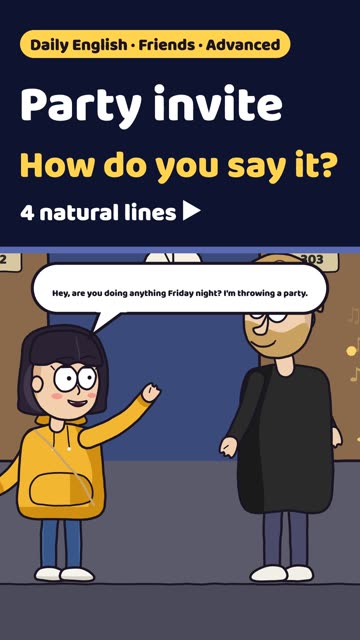
- Ask the next practical question: "You're hosting? In that case, what time should I come?"
Tone: Neutral and natural in speech and writing; it can sound calm and slightly logical, like "okay, given that..."
In 7 of Lin's scenes
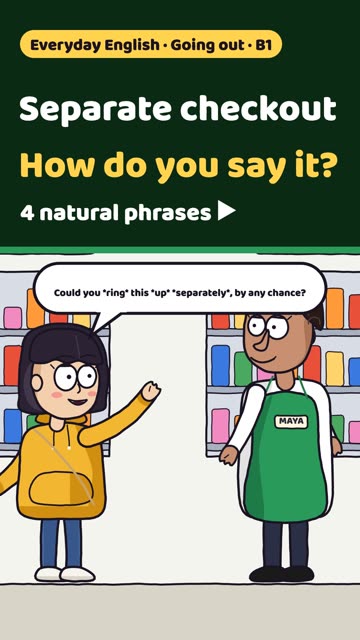
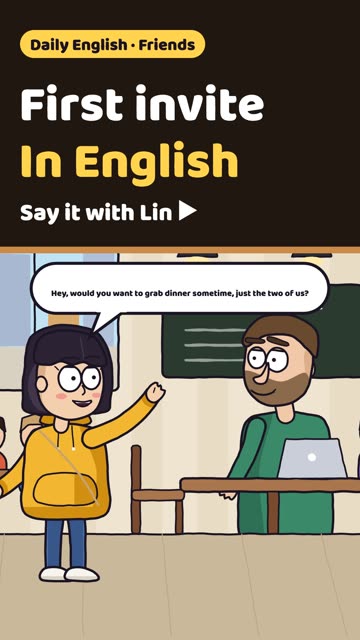
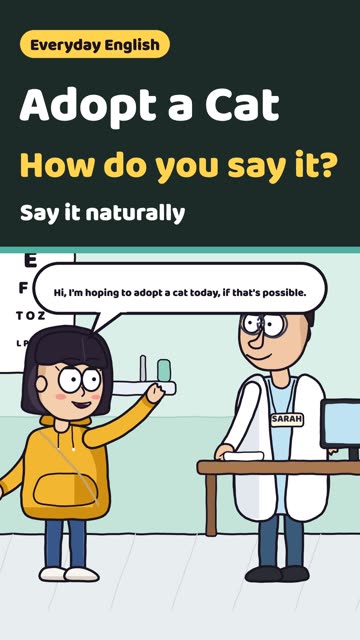
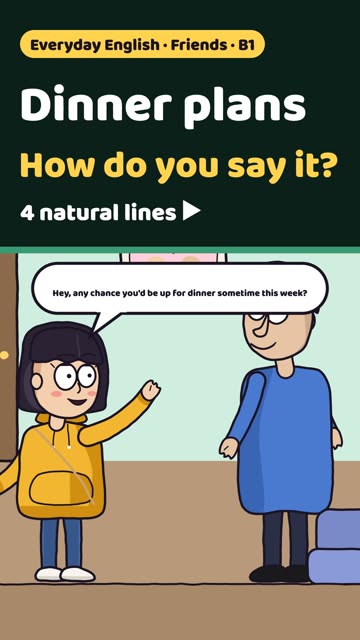
Real lines from the scenes. Open one to watch it and say it yourself.


Shadow
Line by line
Other ways to say it
Shorter and tighter. Often used before a quick next step: "If so, let me know."
Very common and casual: "Then I'll come early." It is less explicit than "in that case."
More formal and a little less common: "In that event, we should cancel."
Quick answers
Is "in that case" the same as "then"?
Sometimes, yes. But "in that case" more clearly shows that your next sentence comes from the other person's new information.
Can I use "in that case" at the start of a question?
Yes. It is very natural: "In that case, what time should I come?" It often introduces the next practical question.