
What does “you're a lifesaver” mean?
"You're a lifesaver" means "You helped me a lot" or "You saved the situation for me." In everyday English, it is usually not about real danger. It is a warm, strong way to say thanks.
When people say it
- When someone helps at the right time: "It worked! You're a lifesaver."
- When someone lends you something, fixes a problem, or gives useful advice: "Thanks, you're a lifesaver!"
- Often after thank you: "Thank you so much! You're a lifesaver."
- Also for small help, with a little humor: "You're a lifesaver. I owe you one."
Tone: It is casual, warm, and friendly in both American and British English; it can sound a little strong or playful, so it is less common in very formal writing.
In 10 of Lin's scenes
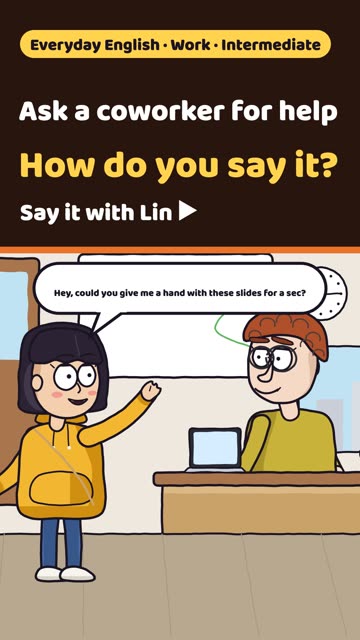
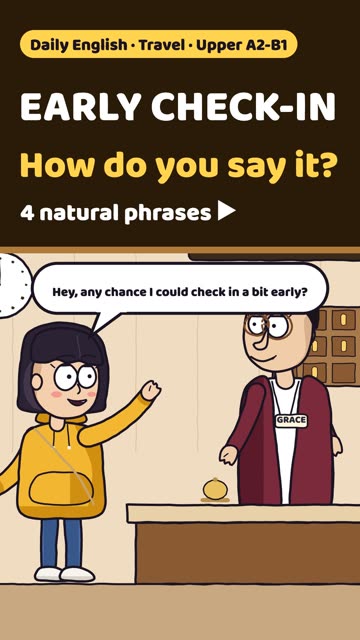
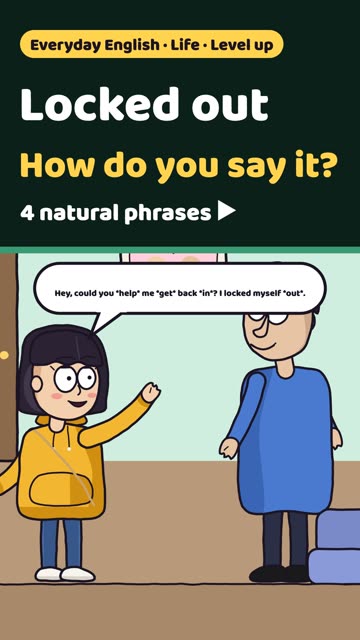
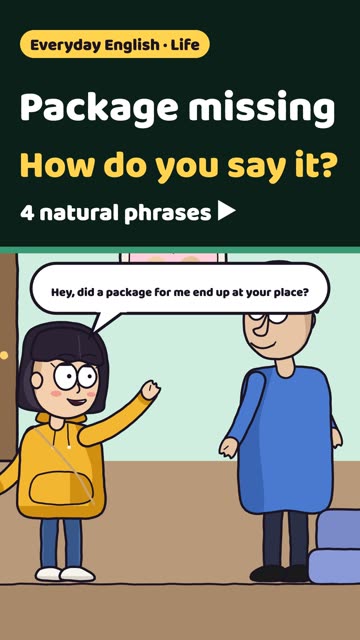
Real lines from the scenes. Open one to watch it and say it yourself.


Other ways to say it
Very common and direct. It often means "you got me out of trouble," not real danger.
More neutral. It focuses on the help, not on praising the person.
This means you want to return the favor. People often say it after "You're a lifesaver."
Quick answers
Can I say "You're a lifesaver" for a small favor?
Yes. People often use it for small but timely help. It is a normal, slightly dramatic way to show real thanks.
Do I need to say "a" in "You're a lifesaver"?
Yes. The natural phrase is "You're a lifesaver." Without "a," it sounds wrong.