Asking to reschedule a meeting in English (advanced)
Advanced English for asking to reschedule a meeting. Key line: “Hey Mia, could we shift our meeting to later this afternoon?”
Full script
Asking to reschedule a meeting: how it really goes
This is a work talk about changing a meeting time. You will learn how to ask for a new time politely and check what works for the other person.
Advanced This version handles a small twist with more nuance, like giving a reason and sounding relaxed.
What people expect
At work, it is normal to ask early if you need to change a meeting. Usually you say sorry or give a short reason, then offer a new time. In the US and UK, being clear and polite is the main thing.
Why the lines sound natural
“Can we move our meeting?” is soft and direct enough for work. “What time works better for you?” is a very common way to ask for another time without sounding pushy. People often leave out long explanations and keep it simple.
Common trap
A learner may say “I need change meeting time” or “Let us change meeting.” That sounds stiff and incomplete. A better line is “Could we reschedule our meeting?” or “Can we meet at three instead?”
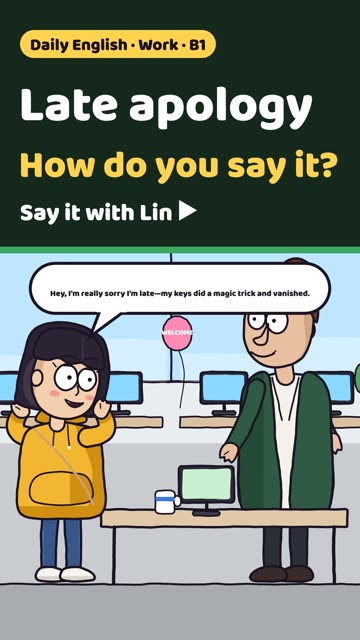
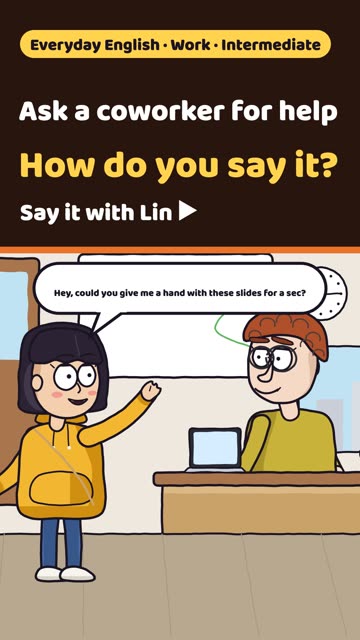
The same moment at three levels
What Lin says first in each version. Pick the one that feels a little hard.
Quick check
1They say: “Possibly—what time were you thinking, and is everything okay?” What do you say?
That's Lin's line in the scene.
2They say: “Fair enough; I'll send an updated invite for three-thirty, then.” What do you say?
That's Lin's line in the scene.
Key phrases
The lines worth keeping. Read them once before you go out.
Polite way to ask for a later time today
shift is softer; common for schedule changes
Ask what new time they want
Polite follow-up about the new time
Say you will send the new meeting invite
invite can mean a meeting invitation
Thank them for adjusting to the change
Casual thanks for being flexible
Common phrases in this scene
Quick answers
What does “Could we shift our meeting to later this afternoon” mean, and when do you say it?
“Could we shift our meeting to later this afternoon?”: polite way to ask for a later time today. shift is softer; common for schedule changes.
What does “What time were you thinking” mean, and when do you say it?
“What time were you thinking?”: ask what new time they want. Polite follow-up about the new time.
What does “I'll send an updated invite” mean, and when do you say it?
“I'll send an updated invite.”: say you will send the new meeting invite. invite can mean a meeting invitation.
What does “Thanks for rolling with it” mean, and when do you say it?
“Thanks for rolling with it.”: thank them for adjusting to the change. Casual thanks for being flexible.