
What does “no way” mean?
"No way" is a very common spoken phrase. It can show surprise or disbelief, like "Really?" or "I can't believe it," and it can also mean a strong "no."
When people say it
- For surprise or a happy coincidence: "No way, me too!"
- For disbelief, often playful, not always serious: "No way! You used to burn toast."
- For refusing something, often with friends: "No way. You paid last time!"
- With more detail after it to react to something: "No way—I thought you were in your twenties."
Tone: Very casual; "No way!" often sounds lively and playful, but "No way." can sound firm or a bit sharp if the situation is serious.
See it in a scene
No way, me too! Let's play sometime.
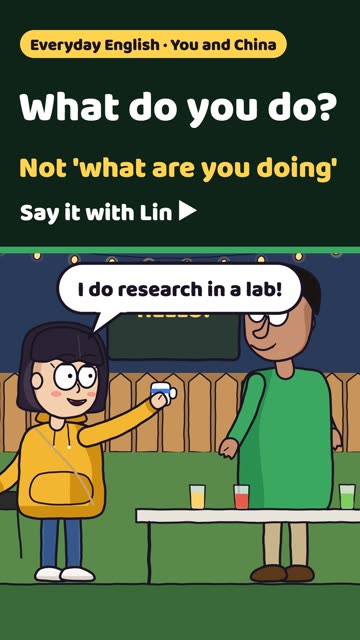
Practise it in “Answering "What do you do?"”In 10 of Lin's scenes
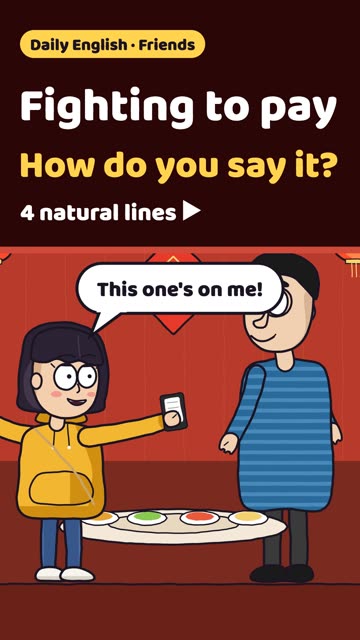
Real lines from the scenes. Open one to watch it and say it yourself.
Shadow
Line by line
Ask Lin about “no way”
Other ways to say it
Good for surprise or disbelief, not for refusal.
More clearly a refusal, and often stronger.
Shows surprise in a playful way.
Quick answers
Does "no way" always mean "no"?
No. Very often it shows surprise or disbelief, like "Really?" Context and tone tell you which meaning it has.
Is "no way" rude?
Not usually with friends in casual talk. But if you say it flatly to refuse someone, it can sound too strong, so a softer phrase may be better.