
Spoken English phrase
What does “try not to” mean?
Try not to means make an effort to avoid something. It is not a full promise, and it often sounds light, polite, or a little funny.
When people say it
- For your own action: "I'll try not to be late."
- For a joking promise not to cause trouble: "I'll try not to embarrass you."
- For a gentle reminder: "Try not to make too much noise."
- Use it with the base verb: "Try not to laugh."
Tone: Usually casual to neutral; softer than "don't" and weaker than a firm promise like "I won't". With feelings, as in "Try not to worry", it can sound a bit dismissive.
Careful: Do not treat "try not to" as a strong guarantee. If you mean 100 percent no, say "I won't" or "I promise I won't". Also use "try not to + base verb", not "try not to doing".
In 12 of Lin's scenes
Real lines from the scenes. Open one to watch it and say it yourself.
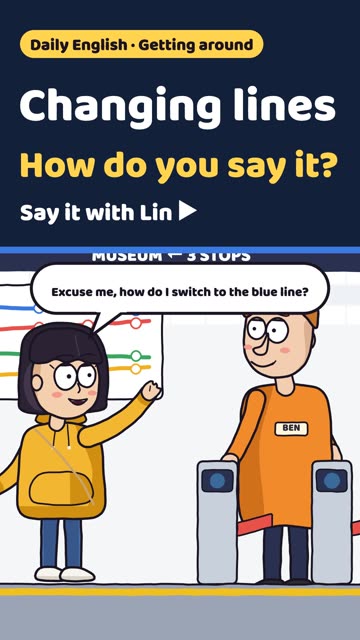
Thanks—I'll follow the signs and try not to tour the city.Changing subway lines · Intermediate
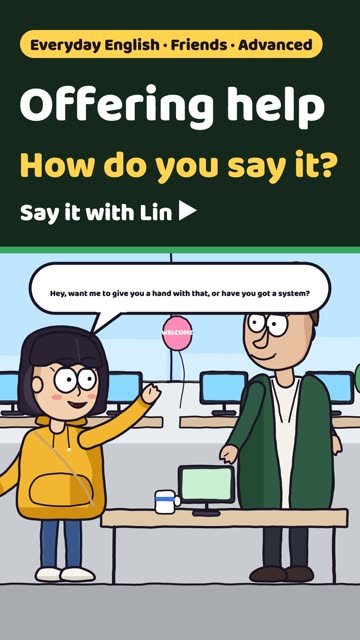
Got it—I'll keep her upright and try not to antagonize her.Offering help · Advanced

Deal. I'll send the handoff before lunch, and try not to disappear into thin air.Asking for a day off · Advanced
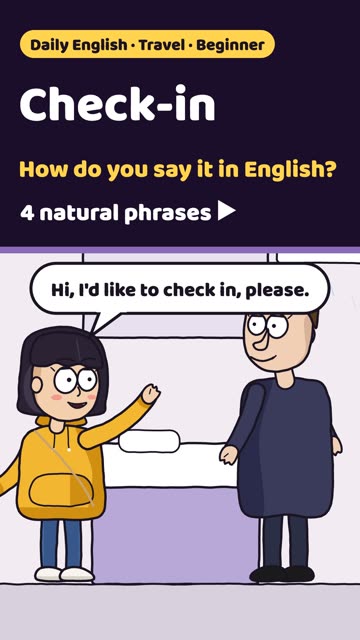
From seven. Try not to snore there.Checking in at a hotel · Beginner

And if you draw the perfect tile, try not to gloat too early.Teaching a friend mahjong · Advanced

Great, thanks. I'll try not to crash your breakfast date.Asking if a seat is taken · Advanced

Perfect, thanks a lot. I'll try not to judge them by their fluffiness.Asking for extra pillows · Advanced

Ten-thirty it is—I’ll try not to hover outside like a lost tourist.Asking about opening hours · Advanced

Then I'll stay close and try not to become lunch.Joining a guided tour · Intermediate

Got it. I'll pay now and try not to get too attached.Renting a beach chair · Advanced

Just your fingerprints later, and try not to hand over your whole folder at once.At a visa interview · Advanced

Haha, I'll take that. We try not to let people regret dessert.Complimenting the food · Advanced
Other ways to say it
do your best not to
Stronger and more serious about the effort.
be careful not to
Good for warnings or small mistakes.
make sure you don't
Stronger and more direct than try not to.
Quick answers
Is "try not to" the same as "don't"?
No. "Don't" is a direct instruction. "Try not to" is softer and sounds less strict.
Can I use "try not to" for myself?
Yes. It is very common for your own plan or promise, like "I'll try not to forget".