
What does “oh no” mean?
"Oh no" is a quick reaction to bad news, a problem, or something worrying. It often shows surprise, concern, or sympathy, and it is often followed by a question or comment.
When people say it
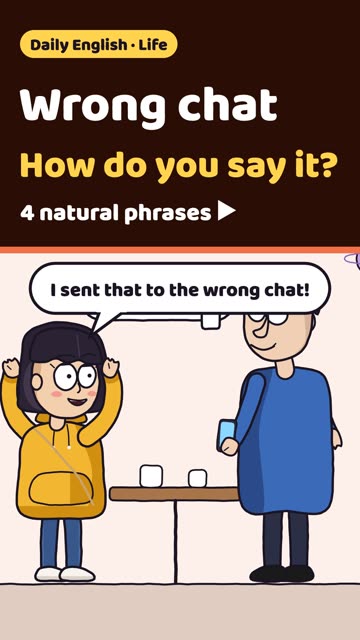
- React to a mistake or problem: "Oh no. I sent that to the wrong chat!"
- Notice that something seems wrong: "Oh no, the labels must be mixed up!"
- Show concern before you say more: "Oh no. Are you okay?"
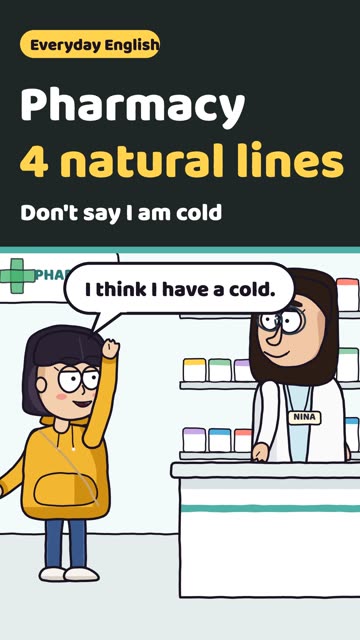
- Express concern, then ask for details: "Oh no! What are your symptoms?"
Tone: Common and casual, but also fine in many neutral everyday talks; it can sound caring, shocked, or light depending on your voice. For very serious bad news, add more words so it does not sound too brief.
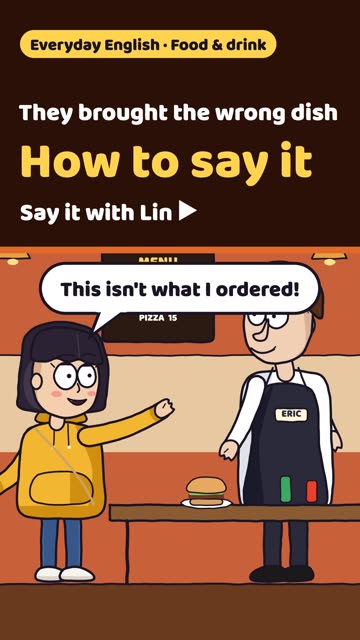
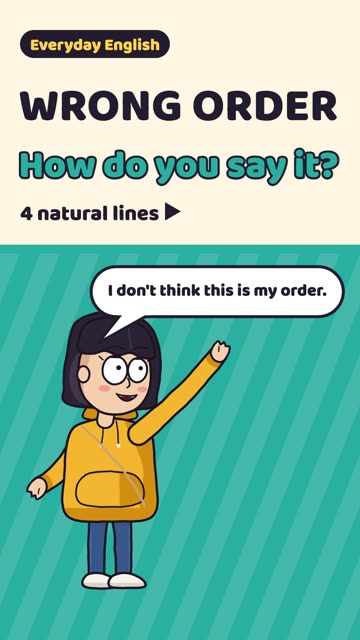
In 12 of Lin's scenes
Real lines from the scenes. Open one to watch it and say it yourself.





Shadow
Line by line
Other ways to say it
A little calmer and more direct about the situation.
More informal and lighter, often for a small problem.
Stronger sympathy, better for serious bad news.
Quick answers
Can "oh no" be used for small problems?
Yes. People use it for both small and bigger problems. Your voice and the next sentence show how serious it is.
Is "oh no" always dramatic?
No. It can be very mild in daily talk, like when you notice a mistake or hear an inconvenient update.