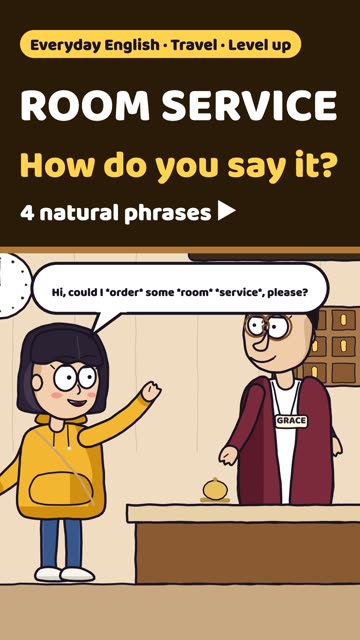
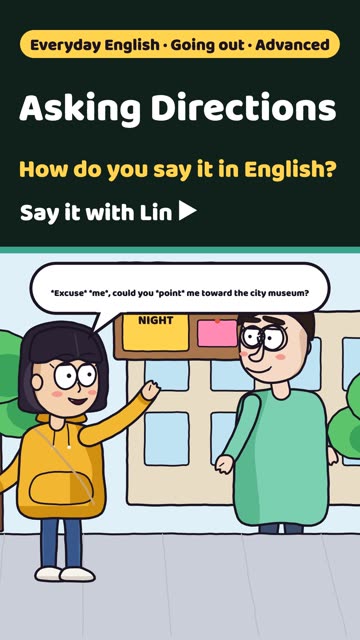
Seeing a doctor in English (advanced)
Advanced English for seeing a doctor. Key line: “Hi, I'd really like to see a doctor, if that's possible.”
Full script
Seeing a doctor: how it really goes
This scene is at a clinic desk, where you explain what is wrong before you see the doctor. After this, you can say your symptoms and how long you have had them in a polite way.
Advanced More detail, softer wording, and a little more nuance.
How this usually goes
In English-speaking places, you often talk to the receptionist or nurse first, not the doctor right away. A short, clear answer is normal. You say the problem, when it started, and then you wait for the next step.
Why these lines work
“I’d like to see a doctor, please” sounds polite and calm. “Since yesterday” is a natural short answer when someone asks when it started, and native speakers often leave out extra words. “I have a cough and a fever” is direct and easy to understand.
Common trap
A common mistake is translating word for word from Chinese. “I want to see a doctor” can sound a bit blunt, so “I’d like to see a doctor, please” is better. Also, “I have a fever and cough” sounds less natural than “I have a cough and a fever.”
The same moment at three levels
What Lin says first in each version. Pick the one that feels a little hard.
Quick check
1They say: “Of course—what seems to be the problem today?” What do you say?
That's Lin's line in the scene.
2They say: “The internet does love a plot twist. Are you taking any medicine?” What do you say?
That's Lin's line in the scene.
Key phrases
The lines worth keeping. Read them once before you go out.
Seeing a doctor
A very natural way to say it
What seems to be the problem?
Common at reception; softer
since yesterday
Good for symptom duration
I'd rather hear it from a doctor.
Softer than saying no directly
Common phrases in this scene
Quick answers
What does “see a doctor” mean, and when do you say it?
“see a doctor”: seeing a doctor. A very natural way to say it.
What does “What seems to be the problem” mean, and when do you say it?
“What seems to be the problem?”: what seems to be the problem. Common at reception; softer.
What does “since yesterday” mean, and when do you say it?
“since yesterday”: since yesterday. Good for symptom duration.
What does “I'd rather hear it from a doctor” mean, and when do you say it?
“I'd rather hear it from a doctor.”: i'd rather hear it from a doctor. Softer than saying no directly.