
What does “I'd rather…” mean?
"I'd rather..." means "I would rather...". It shows what you would choose, and it can also be a polite way to say no, as in "I'd rather not."
When people say it
- Choose one option: "I'd rather take a taxi."
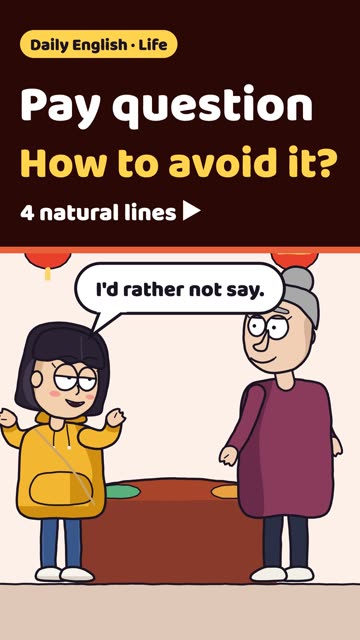
- Politely refuse: "I'd rather not say."
- Compare two actions or options: "I'd rather hear it from a doctor than from a search bar."
- Say you want to deal with something now, not later: "I'd rather deal with it now than have a bigger problem later."
Tone: It is casual to neutral and usually polite; it sounds softer than a plain "No," but it can still sound firm.
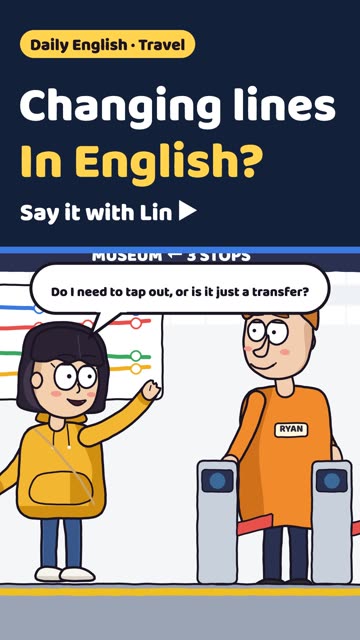
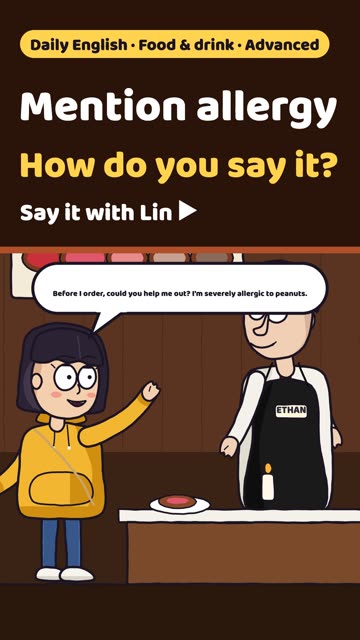
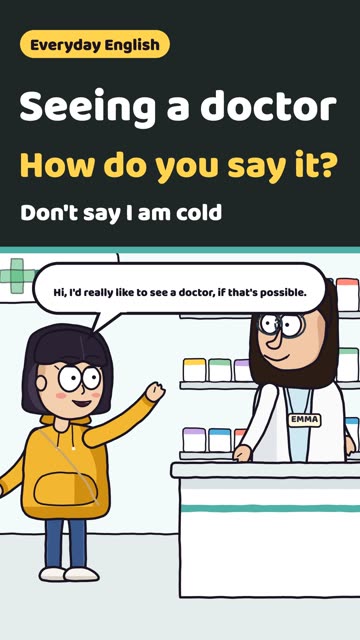
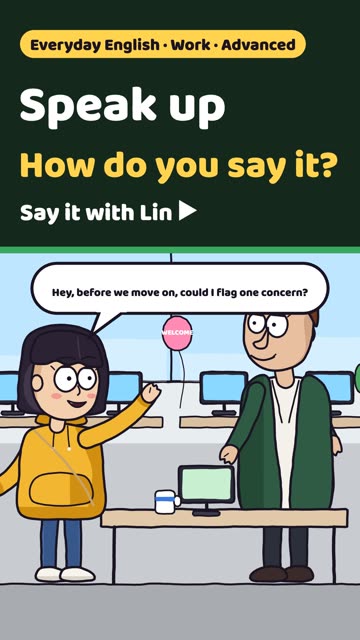
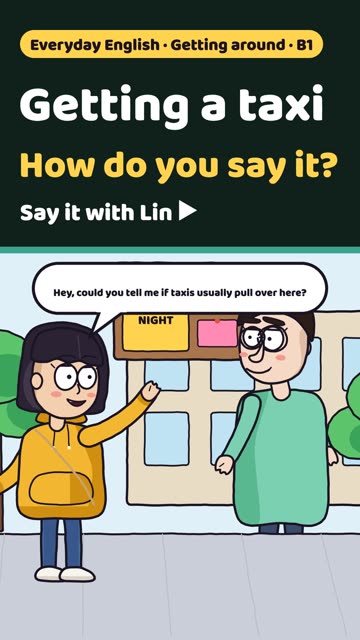
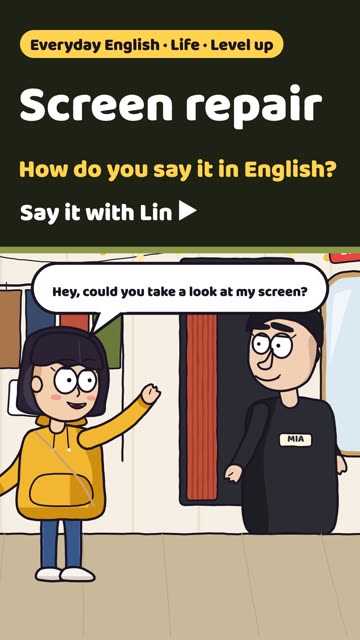
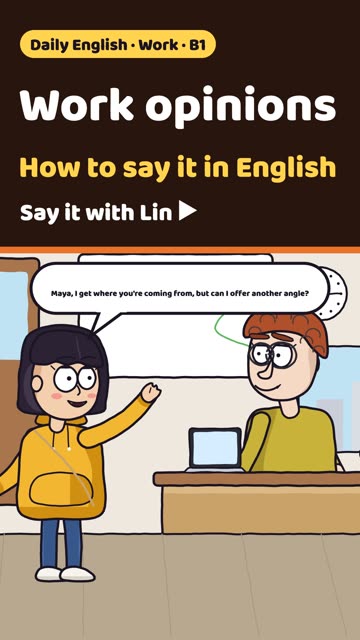
In 12 of Lin's scenes
Real lines from the scenes. Open one to watch it and say it yourself.




Other ways to say it
Very close in meaning, a little more neutral or formal.
Softer and useful for plans, but less clear when you are choosing between two options.
Also natural, a bit more common in British English, with almost the same meaning.
Quick answers
What comes after "I'd rather"?
Usually a base verb: "I'd rather stay," "I'd rather not go." For another person's action, people also say "I'd rather you didn't smoke here."
What is the difference between "I'd rather" and "I'd prefer"?
Both are natural. "I'd rather" is more conversational and often used for a choice in the moment, while "I'd prefer to" sounds a little more neutral or formal.