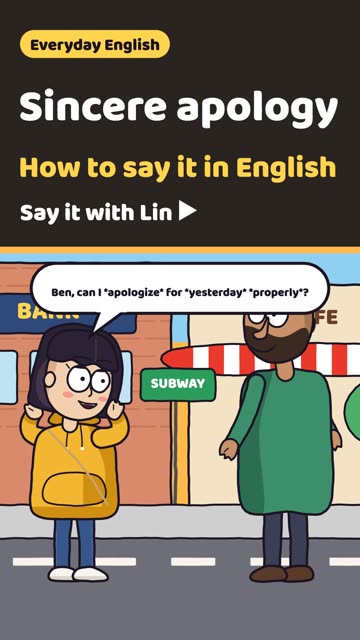
Cómo invitar a amigos a una fiesta en inglés
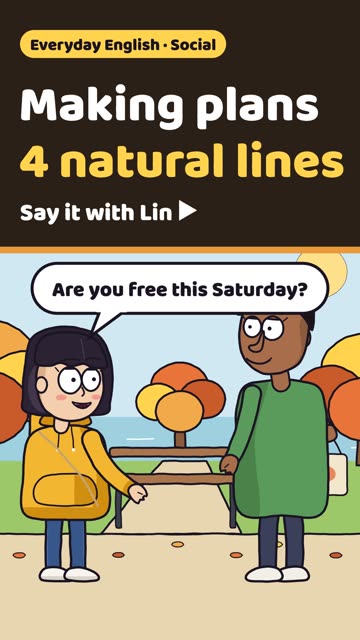
Inglés de todos los días para invitar a amigos a una fiesta. Frase clave: “Are you free Saturday? I'm having a party.”
Guion completo
Invitar a amigos a una fiesta: cómo es de verdad
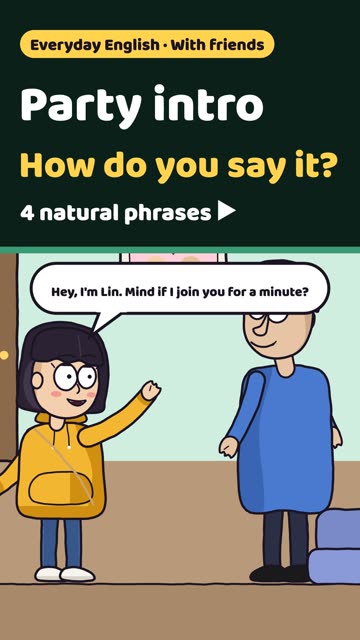
Lin está invitando a un amigo a una fiesta y confirmando la hora, el ambiente y si necesitan llevar algo. Puedes aprender a invitar a alguien de forma natural y a responder sin sonar rígido.
Intermedio Se centra en el lenguaje cotidiano para invitar, pequeños detalles y un seguimiento cortés.
Empieza con una invitación clara
Cuando la gente invita a sus amigos a una fiesta, normalmente dice la hora y da un poco de contexto. “Would you like to come to my party?” suena natural y educado, sin ser demasiado formal.
Por qué estas frases suenan naturales
“Are you free Saturday?” y “Come by around eight.” suenan fáciles porque en inglés muchas veces se omiten palabras de más. “Just bring yourself.” es una forma amistosa y común de decir que no hace falta llevar nada.
Evita traducir literalmente del español
Una traducción directa puede sonar rígida, como “Do you want to come attend my party?” Una frase más natural es “Would you like to come to my party?” o “Are you free Saturday? I’m having a party.”
El mismo momento en tres niveles
Lo que Lin dice primero en cada versión. Elige la que te parezca un poco difícil.
Chequeo rápido
1Dicen: “Maybe—what kind of party are we talking about?” ¿Qué dices tú?
Esa es la frase de Lin en la escena.
2Dicen: “Do I need to bring anything, or just my questionable dance moves?” ¿Qué dices tú?
Esa es la frase de Lin en la escena.
Cada frase de la escena, en inglés
¿Cómo se dice «¿Estás libre el sábado? Voy a hacer una fiesta» en inglés?
Puedes decir: Are you free Saturday? I'm having a party.
Primero pregunta si hay tiempo y luego dice el motivo: está invitando.
¿Qué significa «Maybe—what kind of party are we talking about?» y cómo responder?
Significa «Puede ser... ¿qué tipo de fiesta es». Puedes responder: Just friends, snacks, and a playlist with zero sad songs.
Dice quizá primero y luego pide detalles, con tono curioso.
¿Cómo se dice «Solo amigos, picoteo y una lista de canciones sin ninguna canción triste» en inglés?
Puedes decir: Just friends, snacks, and a playlist with zero sad songs.
Enumera la idea rápido para pintar el ambiente, y la última parte suena juguetona.
¿Qué significa «That actually helps. Last party made me cry in the kitchen» y cómo responder?
Significa «Eso sí ayuda. La última fiesta me hizo llorar en la cocina». Puedes responder: Then come by around eight—I'll save you the emotional damage.
Responde con humor exagerado para mostrar que la idea le viene bien.
¿Cómo se dice «Entonces pasa por aquí sobre las ocho; te ahorraré el daño emocional» en inglés?
Puedes decir: Then come by around eight—I'll save you the emotional damage.
Usa 'around' para no sonar rígida y remata con una broma.
¿Qué significa «Do I need to bring anything, or just my questionable dance moves?» y cómo responder?
Significa «¿Tengo que llevar algo, o solo mis cuestionables pasos de baile». Puedes responder: Just bring yourself. The chips disappear fast, though.
Pide saber si debe llevar algo y remata con humor.
¿Cómo se dice «Solo trae a ti mismo. Aunque las papas desaparecen rápido» en inglés?
Puedes decir: Just bring yourself. The chips disappear fast, though.
Primero la tranquiliza con 'Just' y luego añade un aviso útil.
¿Qué significa «I'm in—I'll guard the snacks and avoid the sad songs» y cómo responder?
Significa «Voy. Yo cuido los snacks y me salto las canciones tristes». Puedes responder:
Acepta encantado y repite dos ideas clave para mostrar que va a ir.
Expresiones útiles de esta escena
¿Cómo se dice «¿Estás libre el sábado» en inglés?
Are you free Saturday
Are you free Saturday? I'm having a party.
¿Cómo se dice «Voy a hacer una fiesta» en inglés?
I'm having a party
Are you free Saturday? I'm having a party.
¿Cómo se dice «qué tipo de fiesta» en inglés?
what kind of party
Maybe—what kind of party are we talking about?
¿Cómo se dice «solo amigos» en inglés?
Just friends
Just friends, snacks, and a playlist with zero sad songs.
¿Cómo se dice «cero canciones tristes» en inglés?
zero sad songs
Just friends, snacks, and a playlist with zero sad songs.
¿Cómo se dice «La verdad sí ayuda» en inglés?
That actually helps
That actually helps. Last party made me cry in the kitchen.
¿Cómo se dice «me hizo llorar» en inglés?
made me cry
That actually helps. Last party made me cry in the kitchen.
¿Cómo se dice «pásate como a las ocho» en inglés?
come by around eight
Then come by around eight—I'll save you the emotional damage.
¿Cómo se dice «daño emocional» en inglés?
emotional damage
Then come by around eight—I'll save you the emotional damage.
¿Cómo se dice «¿Tengo que llevar algo» en inglés?
Do I need to bring anything
Do I need to bring anything, or just my questionable dance moves?
¿Cómo se dice «o solo mis pasos de baile dudosos» en inglés?
just my questionable dance moves
Do I need to bring anything, or just my questionable dance moves?
¿Cómo se dice «Solo ven tú» en inglés?
Just bring yourself
Just bring yourself. The chips disappear fast, though.
¿Cómo se dice «Las papas desaparecen rápido» en inglés?
The chips disappear fast
Just bring yourself. The chips disappear fast, though.
¿Cómo se dice «Voy» en inglés?
I'm in
I'm in—I'll guard the snacks and avoid the sad songs.
¿Cómo se dice «vigilar los snacks» en inglés?
guard the snacks
I'm in—I'll guard the snacks and avoid the sad songs.
Errores comunes aquí
Otras formas en que te lo pueden decir
Quizá—¿qué tipo de fiesta vas a hacer?
≈ Maybe—what kind of party are we talking about?
¿Debería llevar algo?
≈ Do I need to bring anything, or just my questionable dance moves?
Cuenta conmigo
≈ I'm in—I'll guard the snacks and avoid the sad songs.
Frases clave
Las líneas que vale la pena guardar. Léelas una vez antes de salir.
Pregunta si tiene tiempo
Primero pregunta por el horario
Invitación informal para pasar
come by es más informal que come
Preguntar con educación qué llevar
Se usa mucho al visitar a alguien
Decir que sí y unirse
Hablado: feliz de ir
Frases comunes en esta escena
Respuestas rápidas
¿Qué significa “Are you free Saturday” y cuándo se dice?
“Are you free Saturday?”: pregunta si tiene tiempo. Primero pregunta por el horario.
¿Qué significa “Come by around eight” y cuándo se dice?
“Come by around eight.”: invitación informal para pasar. come by es más informal que come.
¿Qué significa “Do I need to bring anything” y cuándo se dice?
“Do I need to bring anything?”: preguntar con educación qué llevar. Se usa mucho al visitar a alguien.
¿Qué significa “I'm in” y cuándo se dice?
“I'm in.”: decir que sí y unirse. Hablado: feliz de ir.