
What does “a bit” mean?
A bit usually means slightly or a little. It often makes your comment softer, and in some negative patterns it means not at all.
When people say it
- Before an adjective for a small degree: It's a bit slow. / I'm a bit nauseous.
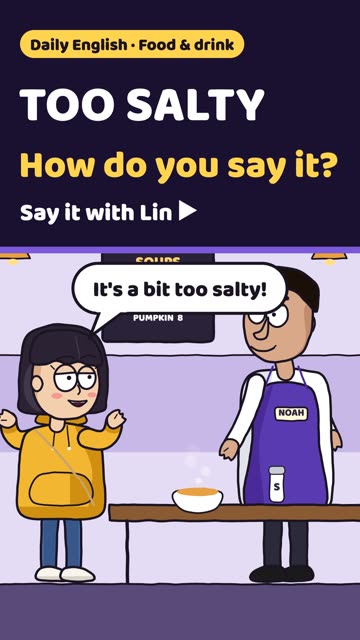
- To soften a complaint or opinion: This soup is a bit too salty.
- After a verb for a small action or a short time: Jiggle it a bit.
- In some negative patterns to mean not at all: You haven't changed a bit.
Tone: It is common in everyday speech and sounds neutral to casual. It often feels softer and more polite than a direct statement.
In 12 of Lin's scenes
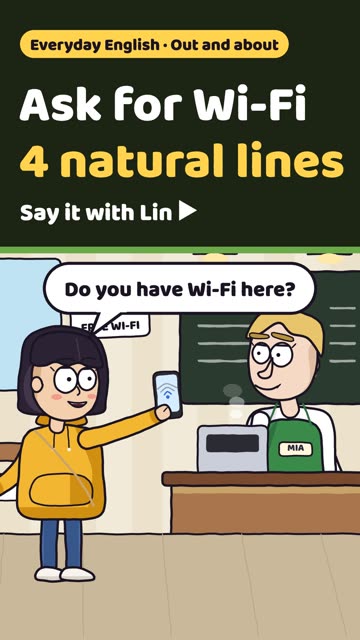
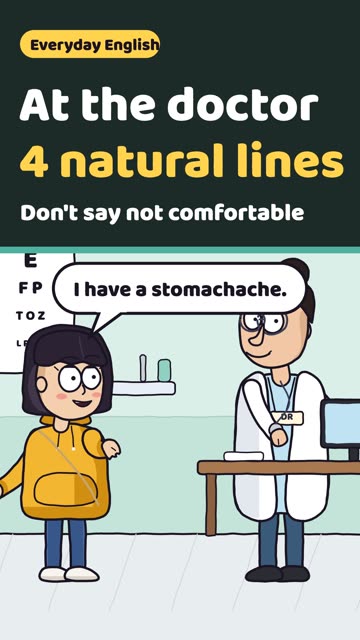
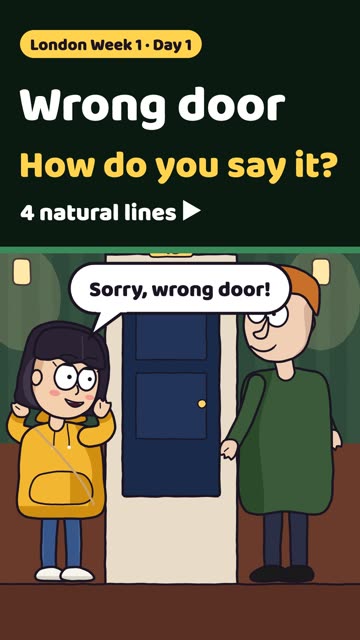
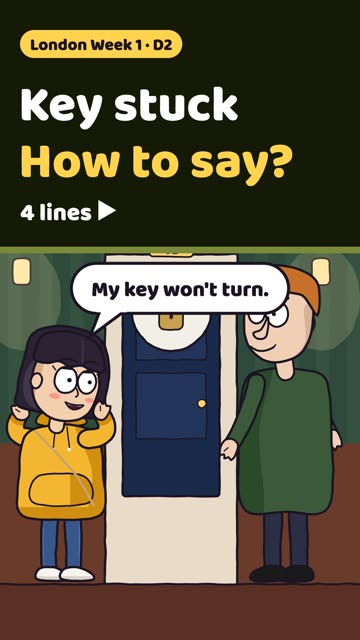
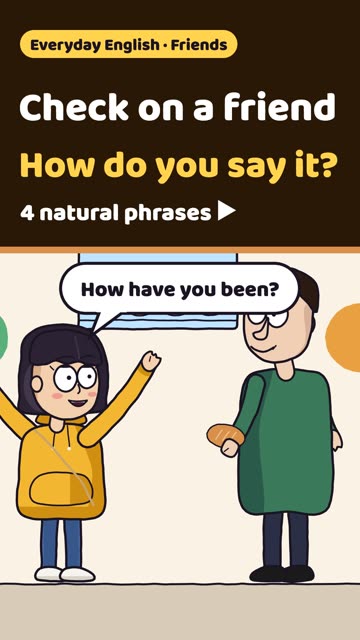
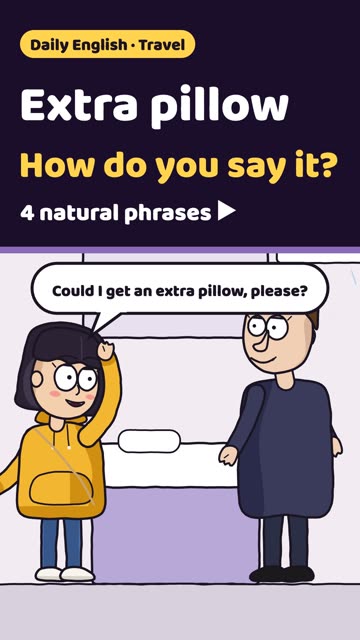
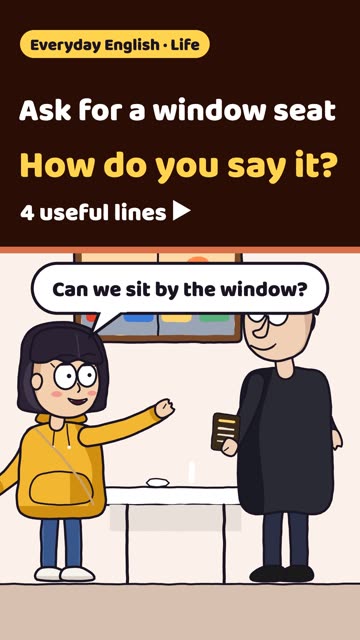
Real lines from the scenes. Open one to watch it and say it yourself.



Shadow
Line by line
Other ways to say it
Very close in meaning. In many sentences, you can use either one.
More formal and more common in careful or written English.
More informal and vaguer. It does not always match a bit exactly.
Quick answers
Is a bit the same as a little?
Often yes, especially in everyday speech. A bit is a little more conversational. Before nouns, a little can go directly before the noun, while a bit usually becomes a bit of.
Why does You haven't changed a bit mean not at all?
In this pattern, not ... a bit means not at all. So You haven't changed a bit means you look or seem exactly the same.