Asking what's in a dish in English (advanced)
Advanced English for asking what's in a dish. Key line: “Hey, could you walk me through what’s in this stew, exactly?”
Full script
Asking what's in a dish: how it really goes
You hear someone ask what is inside a dish, then check for the one thing they do not want. After this, you can ask about ingredients and make a simple request at the same time.
Advanced More careful questions about details, options, and polite ways to customize food.
Ask first, then adjust
In restaurants, it is normal to ask what is in a mixed dish, especially salad, stew, or bowls. If you have an allergy or just dislike something, people usually expect you to say so clearly and early.
Short questions sound natural
“What’s in this dish?” and “Does it come with onions?” both sound normal. English often uses short, direct questions here, then adds a polite request like “Can I get it with no onions?”
Do not translate too literally
A word for word line like “inside got what” sounds unnatural in English. Say “What’s in this?” or “Could I get it with no onions?” instead. It is clear, polite, and easy for staff to answer.
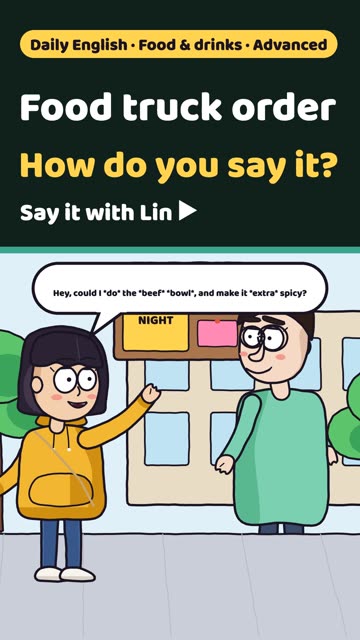
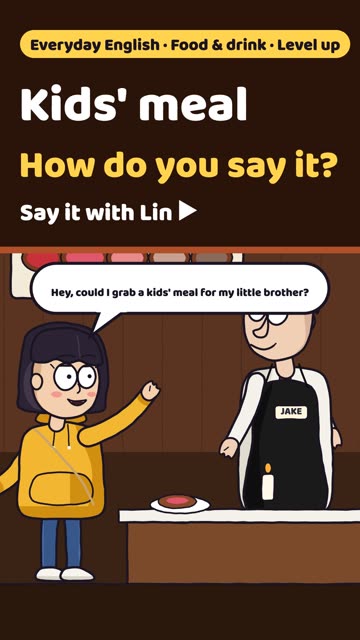
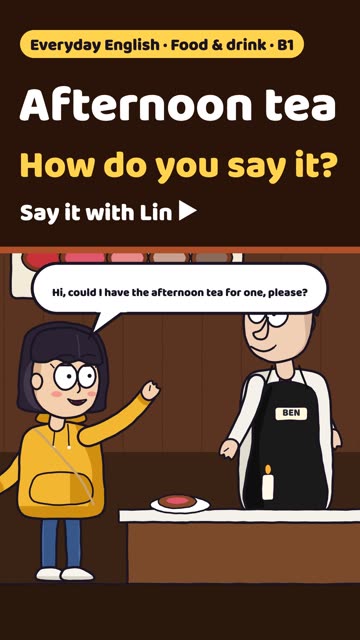
The same moment at three levels
What Lin says first in each version. Pick the one that feels a little hard.
Quick check
1They say: “Sure—beef, potatoes, carrots, onions, and a little rosemary; nothing mysterious, promise.” What do you say?
That's Lin's line in the scene.
2They say: “No dairy at all, though the mashed potatoes on the side are buttery.” What do you say?
That's Lin's line in the scene.
How to respond, line by line
How do you respond to “Sure—beef, potatoes, carrots, onions, and a little rosemary; nothing mysterious, promise”?
Lin answers: Nice. Is the broth pretty rich, or am I about to need a nap?
How do you respond to “It’s hearty, yeah, but not food-coma heavy unless you mop up the sauce”?
Lin answers: Got it. Any dairy in there? My stomach likes to file complaints.
How do you respond to “No dairy at all, though the mashed potatoes on the side are buttery”?
Lin answers: Perfect, then I’ll do the stew—and maybe keep my stomach on probation.
Key phrases
The lines worth keeping. Read them once before you go out.
ask for a full explanation
More step-by-step than tell me
strong, heavy taste
Often for soup, sauce, or rich food
it may make you sleepy after eating
Funny phrase; not literal sleep
joking: test if my stomach is okay
Playful exaggeration, not formal
Common phrases in this scene
Quick answers
What does “walk me through” mean, and when do you say it?
“walk me through”: ask for a full explanation. More step-by-step than tell me.
What does “pretty rich” mean, and when do you say it?
“pretty rich”: strong, heavy taste. Often for soup, sauce, or rich food.
What does “about to need a nap” mean, and when do you say it?
“about to need a nap”: it may make you sleepy after eating. Funny phrase; not literal sleep.
What does “keep my stomach on probation” mean, and when do you say it?
“keep my stomach on probation”: joking: test if my stomach is okay. Playful exaggeration, not formal.