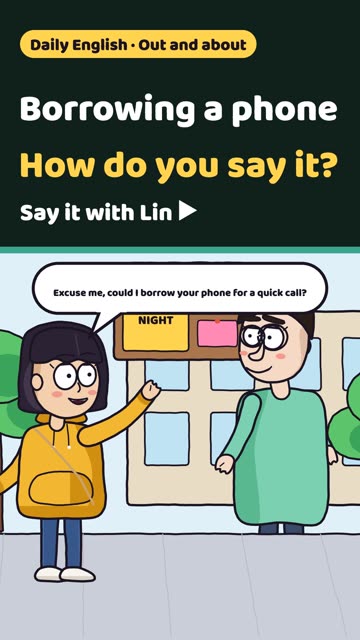
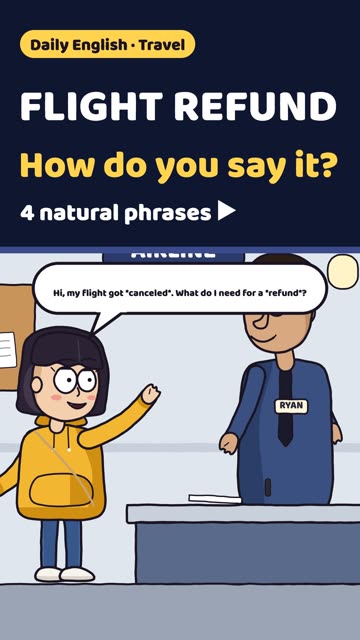
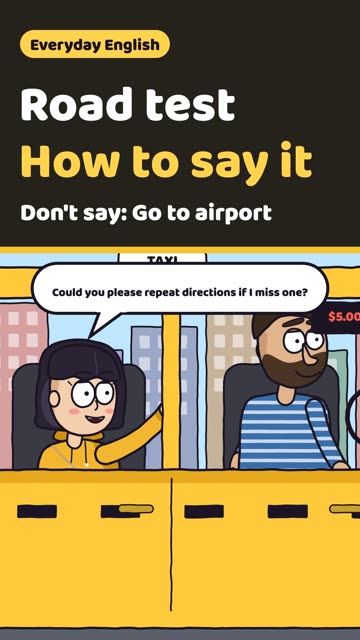
英語で地下鉄の乗り換え
地下鉄の乗り換えで使う英語です。大事な一言は「Excuse me, how do I switch to the blue line?」です。
全文スクリプト
地下鉄の乗り換え: 実際の流れ
地下鉄の駅で、迷わずに路線を乗り換えます。このあと、乗り換え方をたずねたり、相手が言う短い案内を理解したりできるようになります。
中級 駅でよくある案内や、表示・ホームなどのちょっとした情報です。
路線名と降りる駅を聞きます
駅では、ふつう最初に路線名、次に乗り換える場所を言います。“How do I change to the green line?” と “Switch at Central” は、短くて分かりやすいので自然です。
短い案内はふつうです
“Take this train” や “follow the signs” は、駅でとてもよく使います。英語では、いちばん大事なのは行き方なので、細かい説明は省くことが多いです。
一語ずつ訳さないでください
“transfer the subway” のように言ったり、かたくしすぎたりするのはよくある間違いです。代わりに、“How do I change to the green line?” や “How do I switch to the blue line?” のほうが自然です。
同じ場面を3つのレベルで
各バージョンでLinが最初に言う内容です。少し難しいと感じるものを選んでください。
簡単チェック
1相手は “Go downstairs, then follow the signs for Platform Two.” と言っています。あなたは何と言いますか?
これはシーンの中のLinのセリフです。
2相手は “That happens; this station loves sending people on little adventures.” と言っています。あなたは何と言いますか?
これはシーンの中のLinのセリフです。
このシーンのセリフを一つずつ英語で
「すみません、ブルーラインにはどう乗り換えればいいですか」は英語で何と言う?
こう言えます: Excuse me, how do I switch to the blue line?
“Excuse me”で丁寧に入り、“switch to”で乗り換えを自然に言う。
「Go downstairs, then follow the signs for Platform Two」の意味と返し方は?
意味は「階下へ降りて、それからPlatform Twoの表示に従ってください」。こう返せます: Do I need to tap out first, or stay inside?
2手順をはっきり言い、“then”で順番を示す。
「先に改札を出る必要がありますか?それとも中にいたままですか」は英語で何と言う?
こう言えます: Do I need to tap out first, or stay inside?
乗り換えで気になる点をそのまま聞き、“or”で選択を見せる。
「Stay inside—just walk across after you get off」の意味と返し方は?
意味は「中にいたままで大丈夫です。降りたあと、そのまま歩いて渡ってください」。こう返せます: Great, I missed it earlier and did a full loop.
短く直接答え、ダッシュで補足を足している。
「よかった、さっき見逃して、一周してしまいました」は英語で何と言う?
こう言えます: Great, I missed it earlier and did a full loop.
“missed it”と“did a full loop”は、失敗を軽く笑う言い方。
「That happens; this station loves sending people on little adventures」の意味と返し方は?
意味は「そういうこともあります。この駅は、ちょっとした冒険をさせるのが好きなんです」。こう返せます: Thanks—I'll follow the signs and try not to tour the city.
駅をからかう冗談で、“little adventures”が失敗をやわらげる。
「ありがとうございます。表示を見て、街歩きにならないようにします」は英語で何と言う?
こう言えます: Thanks—I'll follow the signs and try not to tour the city.
お礼のあとに冗談を足して、やわらかく締める。
「Good plan—the blue line's quicker than your sightseeing route」の意味と返し方は?
意味は「いいですね。ブルーラインのほうが、観光ルートよりずっと早いですよ」。こう返せます:
“Good plan”で親しみを出し、速い路線と観光を比べて笑わせる。
このシーンで使える表現
「青い路線に乗り換える」は英語で何と言う?
switch to the blue line
Excuse me, how do I switch to the blue line?
「案内表示に従う」は英語で何と言う?
follow the signs
Go downstairs, then follow the signs for Platform Two.
「2番線」は英語で何と言う?
Platform Two
Go downstairs, then follow the signs for Platform Two.
「先にタッチして出る」は英語で何と言う?
tap out first
Do I need to tap out first, or stay inside?
「中にいる」は英語で何と言う?
stay inside
Do I need to tap out first, or stay inside?
「歩いて渡る」は英語で何と言う?
walk across
Stay inside—just walk across after you get off.
「さっき逃した」は英語で何と言う?
I missed it earlier
Great, I missed it earlier and did a full loop.
「一周ぐるっと回った」は英語で何と言う?
did a full loop
Great, I missed it earlier and did a full loop.
「よくあるよ」は英語で何と言う?
That happens that happens →
That happens; this station loves sending people on little adventures.
「ちょっとした冒険」は英語で何と言う?
little adventures
That happens; this station loves sending people on little adventures.
「街を観光する」は英語で何と言う?
tour the city
Thanks—I'll follow the signs and try not to tour the city.
「青い路線のほうが速い」は英語で何と言う?
the blue line's quicker
Good plan—the blue line's quicker than your sightseeing route.
ここでよくある間違い
相手はこうも言うかも
別の自然な言い方
≈ Go downstairs, then follow the signs for Platform Two.
別の自然な言い方
≈ Stay inside—just walk across after you get off.
別の自然な言い方
≈ Good plan—the blue line's quicker than your sightseeing route.
重要フレーズ
覚えておきたい表現です。出かける前に一度読んでおきましょう。
乗りたい路線を伝えるときに使います
switch to + 路線
道順をたどるときに使います
道順をたどるときによく使います
出るときの改札で使います
地下鉄の改札でよく使います
ぐるっと一周してしまったあとに使います
停車駅を逃したときにも使います
この場面のよく使うフレーズ
よくある質問
“switch to the blue line”はどういう意味で、どんな時に言いますか?
“switch to the blue line”:乗りたい路線を伝えるときに使います。switch to + 路線。
“follow the signs”はどういう意味で、どんな時に言いますか?
“follow the signs”:道順をたどるときに使います。道順をたどるときによく使います。
“tap out”はどういう意味で、どんな時に言いますか?
“tap out”:出るときの改札で使います。地下鉄の改札でよく使います。
“did a full loop”はどういう意味で、どんな時に言いますか?
“did a full loop”:ぐるっと一周してしまったあとに使います。停車駅を逃したときにも使います。