
What does “sure thing” mean?
"Sure thing" means "yes, of course" or "no problem". People use it to say yes in a friendly, relaxed way, often before asking for more details.
When people say it
- Say yes and show you will handle it: "Sure thing. I'll take care of it."
- Say yes, then ask a follow-up question: "Sure thing. Which terminal?"
- In service situations, confirm and offer choices: "Sure thing - hot or iced?"
- Promise it will be done: "Sure thing. It'll be ready in fifteen minutes."
Tone: It is casual and friendly. It sounds natural in spoken English and customer service, but for very formal situations, "certainly" may be better.
See it in a scene
Sure thing. Which terminal?
Practise it in “Taking a taxi”In 12 of Lin's scenes
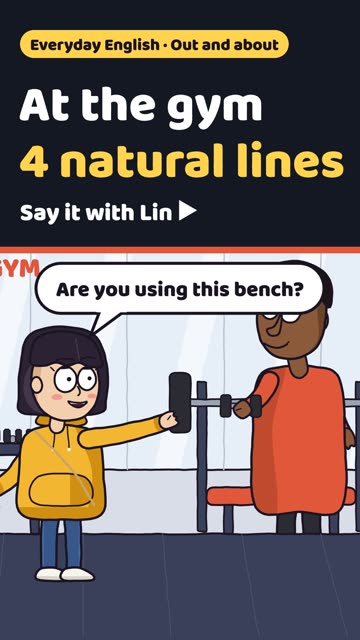
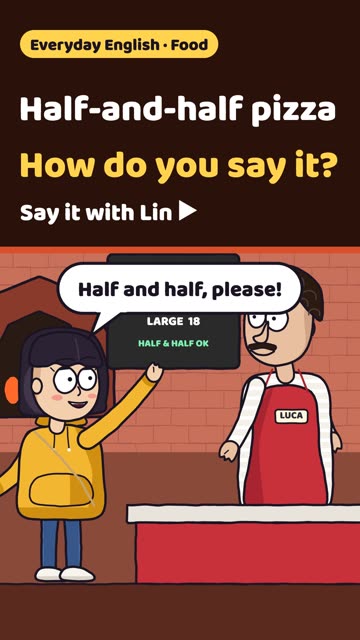
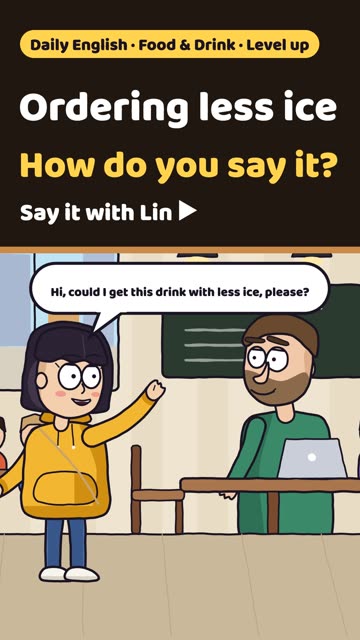
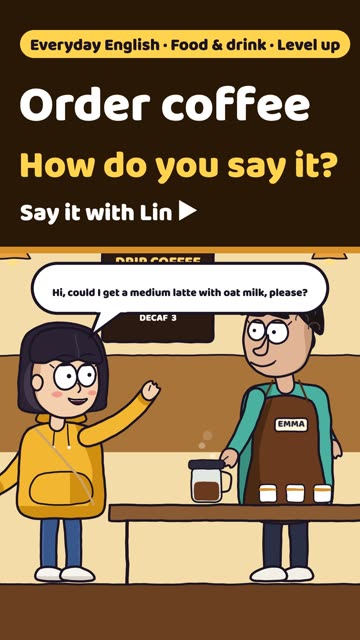
Real lines from the scenes. Open one to watch it and say it yourself.

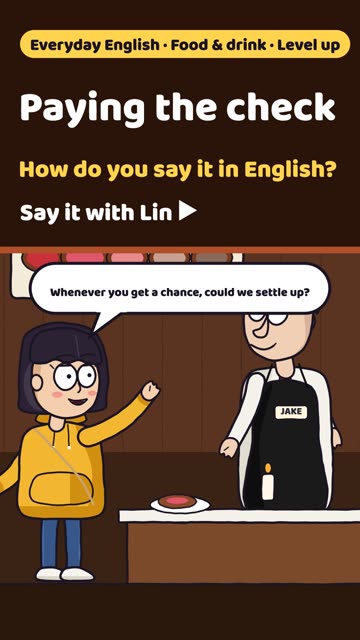
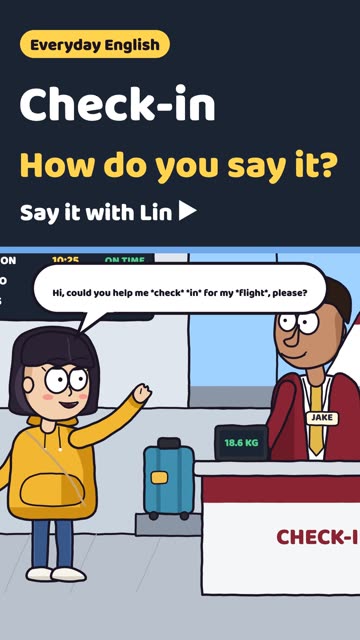
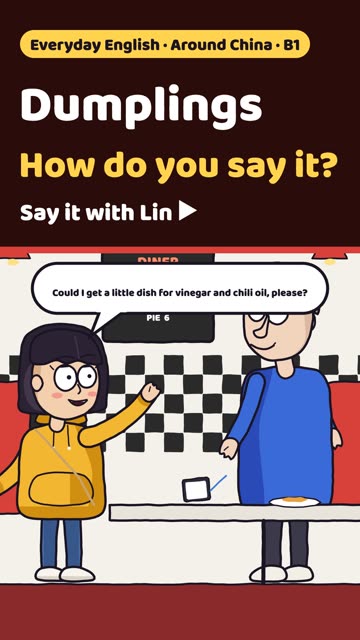
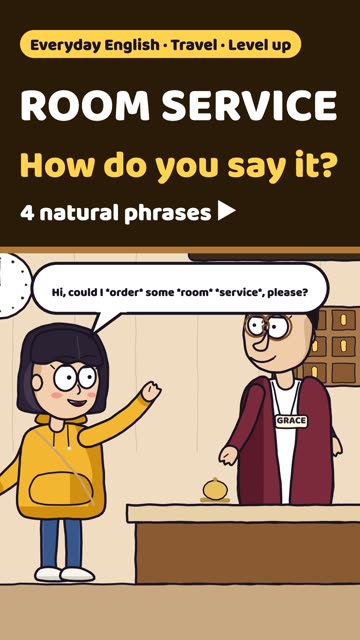

Shadow
Line by line
Ask Lin about “sure thing”
Other ways to say it
Very common. It focuses on the idea that the request is easy to do.
A little more neutral and good in many situations.
More formal and polite.
Quick answers
Is "sure thing" the same as "sure"?
Almost. Both can mean yes, but "sure thing" sounds a bit warmer and more conversational.
Can I use "sure thing" at work or in customer service?
Yes. It is common in spoken service English and friendly workplace talk. In very formal business writing, it can sound too casual.