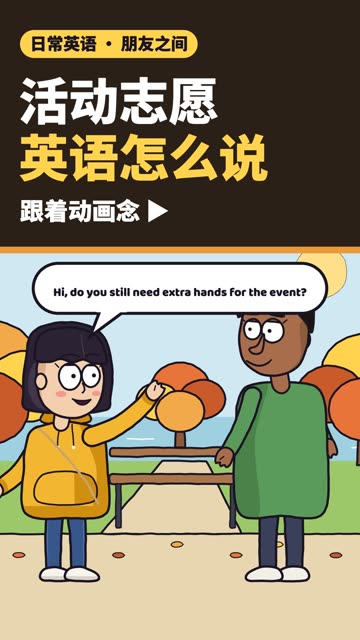
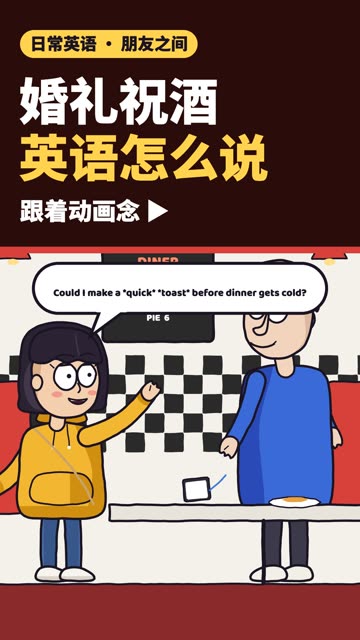
朋友生病慰问英语怎么说
想带汤去看他怎么说?
完整台词
朋友生病慰问:真实情况是这样的
朋友生病时,英文里常见的是先问能不能去看他,再顺手带点吃的或药。你会学会怎么自然地关心对方,又不会显得太冒失。
日常 重点是日常探病里的自然说法和更像真人的语气。
先问能不能过去
看病人前,通常先确认对方方便不方便,不会直接上门。像“Can I come see you?”“Mind if I swing by?”都很自然,语气比“I'm coming now”更礼貌。
关心时别太硬
“How are you feeling now?”和“Do you need anything else?”很常用,因为它们把选择留给对方。英语里常加一点软化语气,听起来更像关心,不像在盘问。
常见误区:直译
中文常会说“你还好吗”来泛问,但在这里更自然的是问具体情况,如“How are you feeling?”。也别说“Do you need something?”太生硬,改成“Can I get you anything?”更顺。
同一个情境,三种难度
每一档里 Lin 开口的第一句。挑一个对你来说稍微有点难的。
考考你
1对方说:“Yeah, please do. I've been living on crackers all day.” 你怎么回?
这是这一集里 Lin 的原话:我带汤和水果,这次不带奇怪的东西。
2对方说:“I know, but my tongue needed its own doctor after that.” 你怎么回?
这是这一集里 Lin 的原话:行吧,待十分钟我就走,让你好好休息。
这段对话里的每一句,英语怎么说
「嘿,本,我能带点汤过去看看你吗」英语怎么说?
可以这样说: Hey Ben, can I drop by with some soup?
用“drop by”表示顺路去看你,语气轻松自然。
“Yeah, please do. I've been living on crackers all day”是什么意思?怎么回?
意思是「可以,快来吧。我今天一整天都靠饼干撑着」。可以这样回: I'll bring soup and fruit this time, nothing weird.
“please do”是在热情答应;“living on crackers”是夸张说法。
「我带汤和水果,这次不带奇怪的东西」英语怎么说?
可以这样说: I'll bring soup and fruit this time, nothing weird.
“nothing weird”是在开玩笑地保证,这次不会送怪东西。
“Good, because your last tea tasted like a science project”是什么意思?怎么回?
意思是「那就好,你上次的茶喝起来像科学实验」。可以这样回: Rude. I was just trying to help your immune system.
先吐槽再开玩笑,语气轻松,不是真生气。
「真过分。我只是想帮你的免疫系统」英语怎么说?
可以这样说: Rude. I was just trying to help your immune system.
“Rude”是短促吐槽;“immune system”故意说得很正式。
“I know, but my tongue needed its own doctor after that”是什么意思?怎么回?
意思是「我知道,但喝完那个后,我舌头都该看医生了」。可以这样回: Fine, ten minutes, then I'll leave and let you rest.
先用“I know”缓和一下,再继续开玩笑。
「行吧,待十分钟我就走,让你好好休息」英语怎么说?
可以这样说: Fine, ten minutes, then I'll leave and let you rest.
“Fine”是带点不情愿的答应;后半句说明她体贴。
“Perfect. If the soup behaves, you can visit again tomorrow”是什么意思?怎么回?
意思是「完美。要是那汤表现良好,你明天还能再来」。可以这样回:
这个场景里的常用说法
「顺路来一下」英语怎么说?
drop by
Hey Ben, can I drop by with some soup?
「带点汤来」英语怎么说?
with some soup
Hey Ben, can I drop by with some soup?
「可以,来吧」英语怎么说?
please do
Yeah, please do. I've been living on crackers all day.
「只靠饼干过活」英语怎么说?
living on crackers
Yeah, please do. I've been living on crackers all day.
「没什么奇怪的」英语怎么说?
nothing weird
I'll bring soup and fruit this time, nothing weird.
「这次」英语怎么说?
this time
I'll bring soup and fruit this time, nothing weird.
「那就好,因为」英语怎么说?
Good, because
Good, because your last tea tasted like a science project.
「像个科学实验」英语怎么说?
science project
Good, because your last tea tasted like a science project.
「太过分了」英语怎么说?
Rude
Rude. I was just trying to help your immune system.
「免疫系统」英语怎么说?
immune system
Rude. I was just trying to help your immune system.
「让你好好休息」英语怎么说?
let you rest
Fine, ten minutes, then I'll leave and let you rest.
「休息」英语怎么说?
rest
Fine, ten minutes, then I'll leave and let you rest.
这里常见的错误说法
对方还可能这样说
可以,来吧。
≈ Yeah, please do. I've been living on crackers all day.
太好了。
≈ Perfect. If the soup behaves, you can visit again tomorrow.
要是汤没出岔子,明天再来。
≈ Perfect. If the soup behaves, you can visit again tomorrow.
口袋句
最值得带走的几句,出门前看一眼就够。
过来看看;顺便来一下
口语里指短时间去一趟
靠饼干撑着
live on=一直靠某物过活
这次不带奇怪的东西
安抚对方时很自然
让你休息
看望病人时常用收尾
这一集用到的常用短语
常见问题
朋友生病慰问时,“过来看看;顺便来一下”英语怎么说?
说“drop by”。口语里指短时间去一趟。
朋友生病慰问时,“靠饼干撑着”英语怎么说?
说“live on crackers”。live on=一直靠某物过活。
朋友生病慰问时,“这次不带奇怪的东西”英语怎么说?
说“nothing weird this time”。安抚对方时很自然。
朋友生病慰问时,“让你休息”英语怎么说?
说“let you rest”。看望病人时常用收尾。