
Spoken English phrase
What does “all right” mean?
"All right" often means "acceptable" or "OK". At the start of a sentence, it can also mean "fine, I agree, let's do that now".
When people say it
- To ask permission politely: "Would it be all right if I took Friday off?"
- To agree and move to the next step: "All right, let's move the demo."
- To accept with a little hesitation or humor: "All right, but don't laugh."
- To make a choice after hearing options: "All right, I'll have the chicken."
Tone: It is neutral and common, often a little softer than "OK", but a short, sharp "All right" can sound impatient.
Careful: Do not understand it only as "correct". In many conversations, "All right" means "OK, I agree" or "fine, let's do that", not "right" or "correct".
In 10 of Lin's scenes
Real lines from the scenes. Open one to watch it and say it yourself.
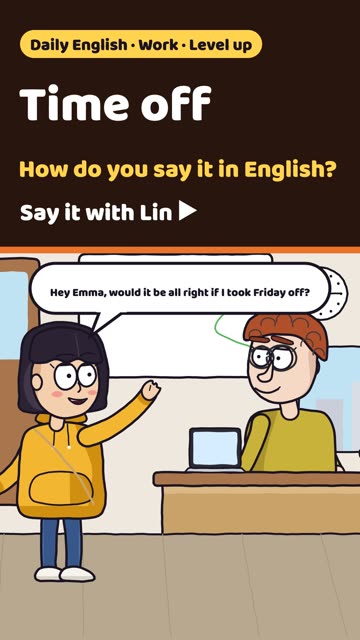
Hey Emma, would it be all right if I took Friday off?Asking for a day off · Advanced
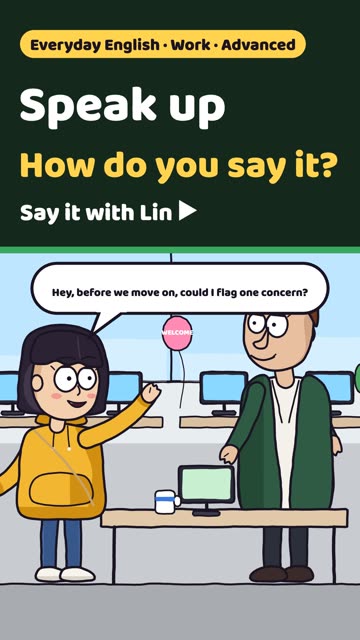
All right, let's shift the demo—I'd rather laugh at your joke than the slides.Speaking up in a meeting · Advanced

All right, give me a half-pound—I want the experience, not a payment plan.Asking the market price · Advanced
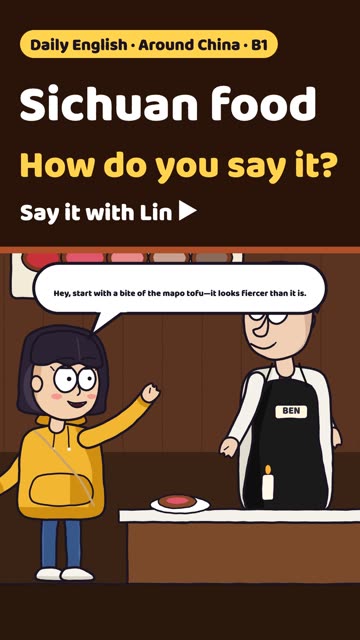
All right, but if I cry, you're telling everyone it's from joy.Eating Sichuan food with a friend · Advanced
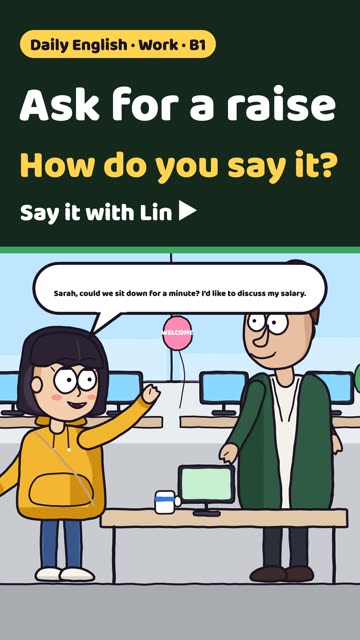
All right, let me review the numbers—maybe we can help you break up with noodles.Asking for a raise · Advanced
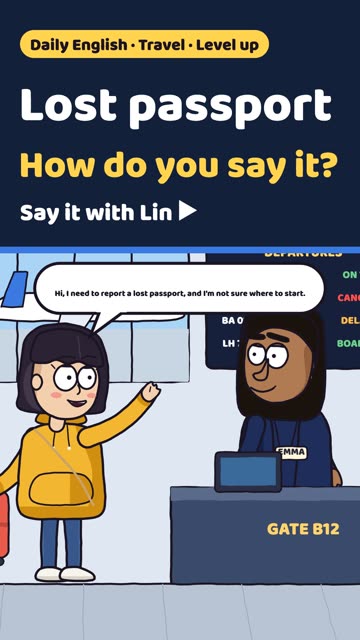
All right, I'll note it down and help you file a loss report.Reporting a lost passport · Advanced
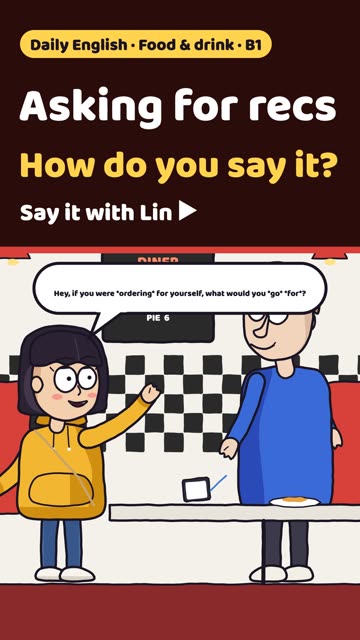
All right, you've sold me—I'll do the chicken, and probably regret skipping pie.Asking for recommendations · Advanced
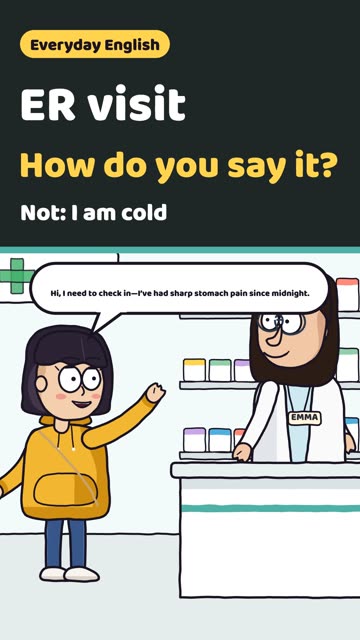
All right, we'll get you triaged first. When did this kick in?At the emergency room · Advanced
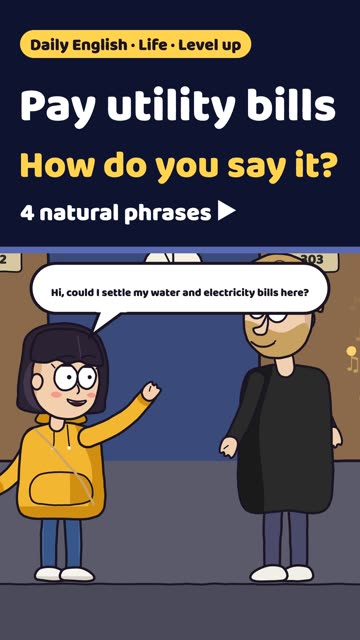
All right, the total comes to eighty-four, and the gas one is late again.Paying the utility bills · Advanced
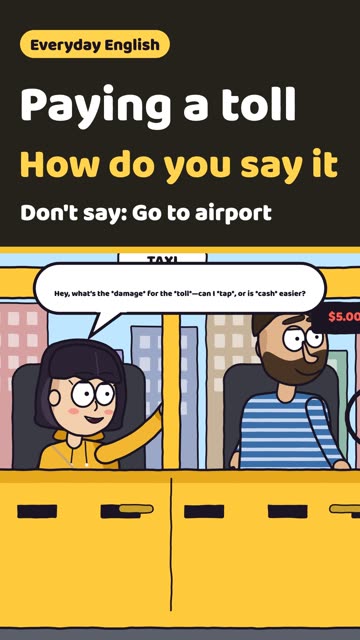
All right, give tap a shot first; the coin opera’s my backup plan.Paying a highway toll · Advanced
Shadow
Line by line
Lin
Hey Emma, would it be all right if I took Friday off?
Lin
All right, let's shift the demo—I'd rather laugh at your joke than the slides.
Lin
All right, give me a half-pound—I want the experience, not a payment plan.
Other ways to say it
okay / OK
The closest everyday option. Very common and direct.
sure
More casual. Good for saying yes to a request.
that works
Used when a plan, time, or idea is acceptable.
Quick answers
Is "all right" the same as "okay"?
Usually yes. Both can mean "acceptable" or "I agree", but "all right" can sound a little softer or more thoughtful.
Is "alright" wrong?
People use it, especially in informal writing, but "all right" is still the safer spelling for school, work, and edited writing.