
What does “you too” mean?
"You too" most often means "the same to you." In a full sentence, "too" can also show that you feel the same way or do the same thing toward the other person, as in "I missed you too."
When people say it
- Return a wish: "Have a good trip." → "Thanks, you too!"
- Answer a polite greeting or comment: "Nice to meet you." → "Nice to meet you too."
- In a full sentence, show the same feeling: "I missed you." → "I missed you too."
- Return advice or a reminder: "Take care." → "I will. You too."
Tone: It is casual to neutral and very natural in speech; "You too!" alone works when the context is clear, but it can sound abrupt without context.
In 9 of Lin's scenes
Real lines from the scenes. Open one to watch it and say it yourself.
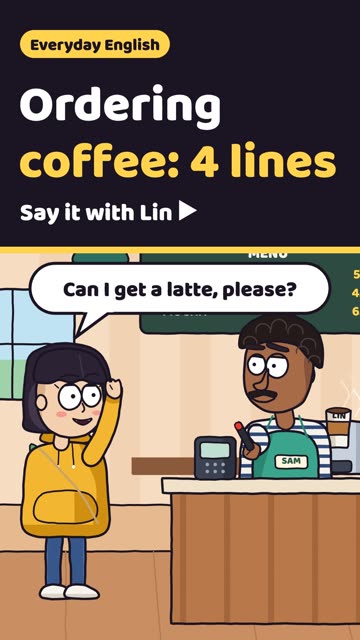
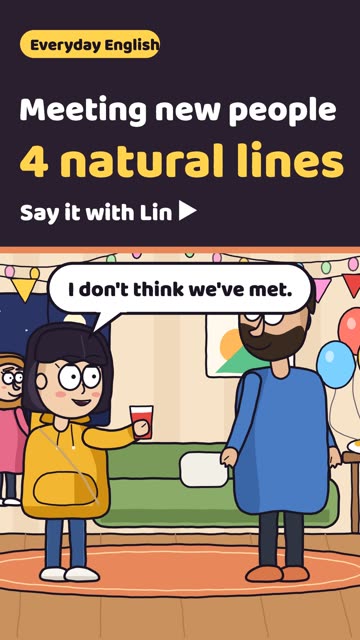
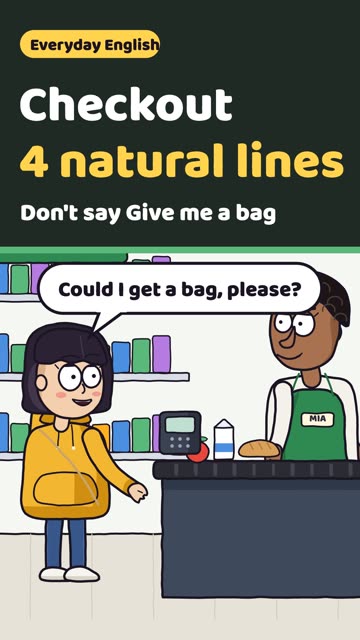
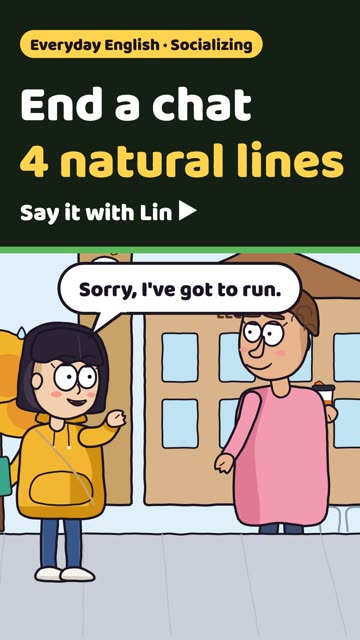
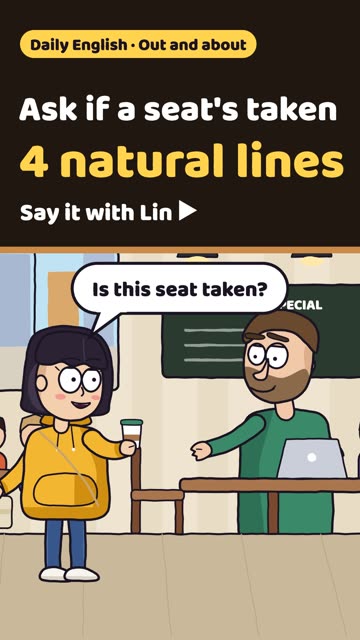
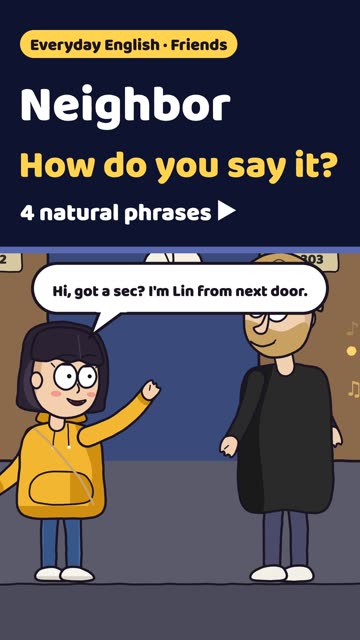
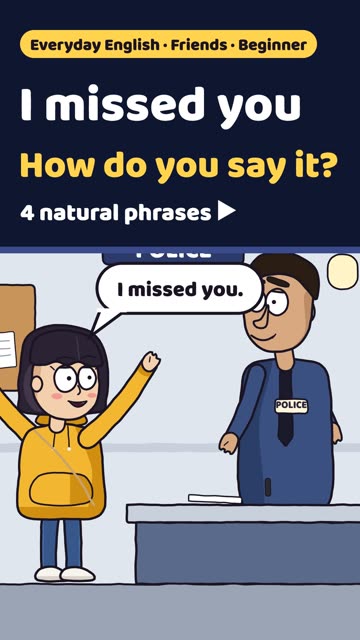
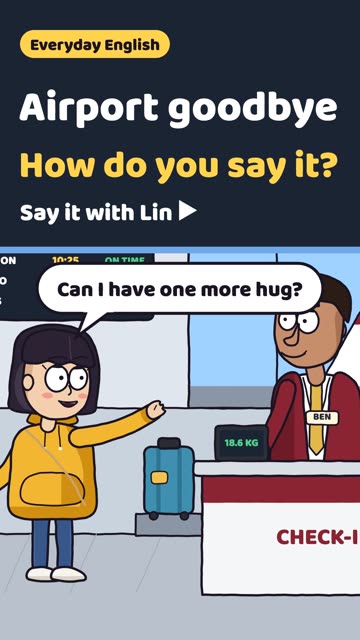
Shadow
Line by line
Other ways to say it
Very close in meaning; common for wishes and polite comments, and sometimes a bit more direct.
A little more polite or careful.
Short and slightly more formal; common with "Nice to meet you."
Quick answers
Can I say "you too" after "thank you"?
Yes, if the other person first gave you a wish or polite comment, like "Have a nice day." If they only said "Thank you," then "you too" usually does not fit.
What is the difference between "you too" and "me too"?
"You too" sends the idea back to the other person: "the same to you." "Me too" means you also have the same feeling, action, or situation.