
What does “end up” mean?
"End up" means to reach a final result, state, or place after a process or series of events, often not exactly as planned. It is very common in conversation.
When people say it
- For the final place: "We walked around and ended up by the river."
- For the final result: "If you rush, you might end up making mistakes."
- For what someone becomes: "He studied law but ended up as a teacher."
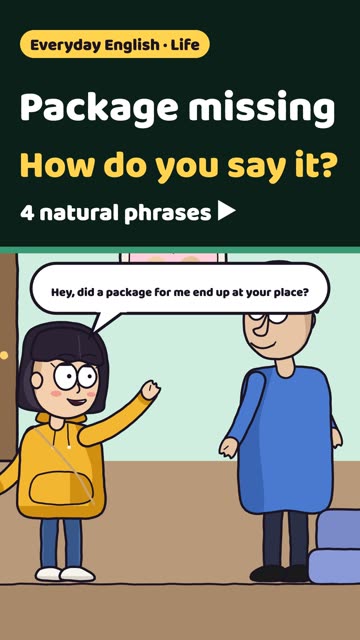
- For where something arrived: "Did my package end up at your place?"
Tone: Casual to neutral and very natural in speech; it often suggests an unexpected result, but not always a bad one.
In 8 of Lin's scenes
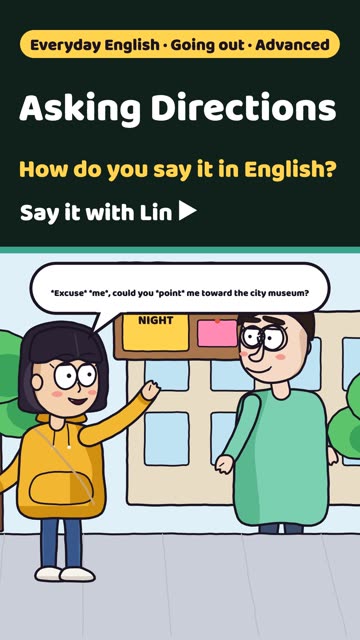
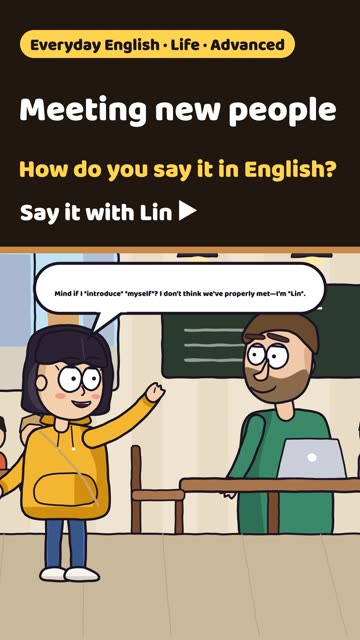
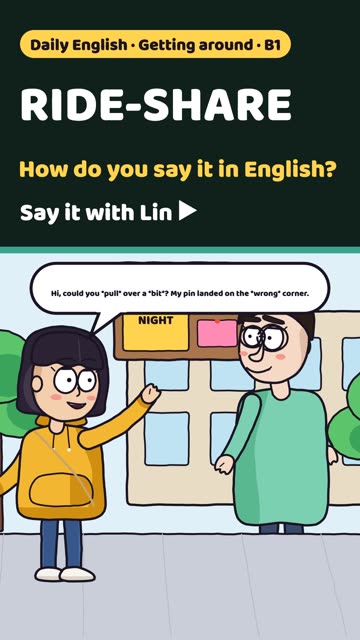
Real lines from the scenes. Open one to watch it and say it yourself.



Shadow
Line by line
Other ways to say it
Very close in meaning, also informal and natural.
More common for results, especially when you mean "it proved to be..." It is not usually for a final place.
This only means "finally" or "after everything." It does not always show an unexpected result.
Quick answers
Does "end up" always mean something bad happened?
No. It often appears with accidents or problems, but it can also be positive or neutral. For example, "We took the wrong road and ended up finding a lovely café."
What can come after "end up"?
Common patterns are "end up doing," "end up + place," "end up with," and "end up as." For example: "end up waiting," "end up at home," "end up with a ticket," "end up as manager."