
What does “no more” mean?
"No more" often means "stop this" or "not any extra". In a short, less common pattern like "strangers no more", it means "not ... anymore" and sounds catchy or a bit literary.
When people say it
- Before a noun or -ing form to stop something: "no more arguing", "no more waiting".
- To mean no extra amount: "No more cake for me, thanks."
- In short, slogan-like lines: "No more excuses."
- In the fixed phrase "Say no more", it means "I understand; you do not need to explain."
Tone: Usually direct and natural in speech, signs, and headlines; "X no more" can sound playful, dramatic, or slightly literary, and "Say no more" is very informal.
In 12 of Lin's scenes
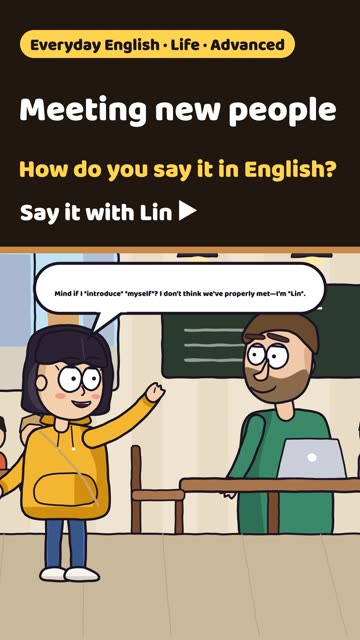
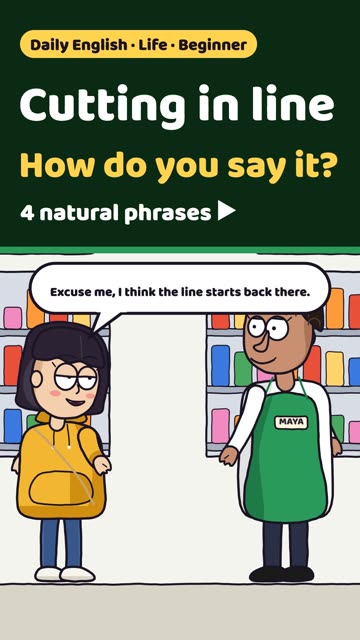
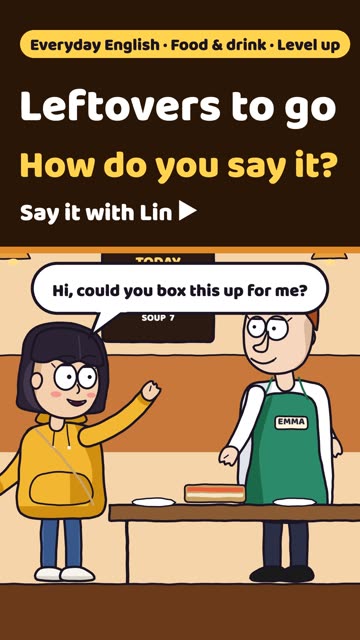
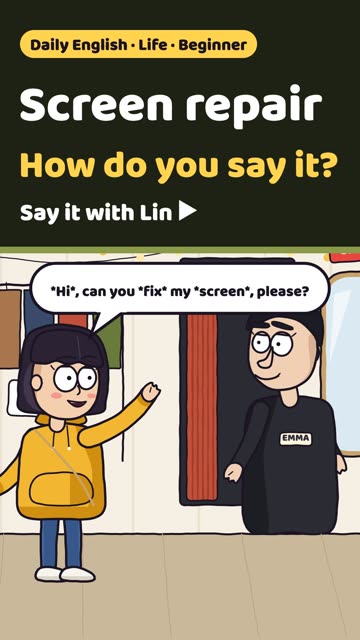
Real lines from the scenes. Open one to watch it and say it yourself.
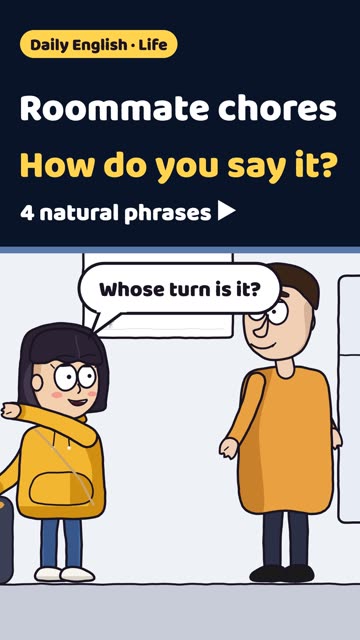
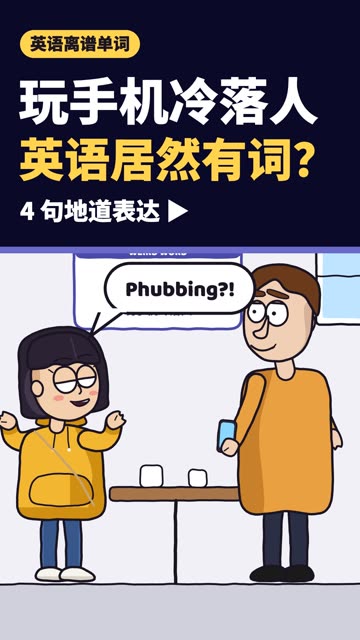
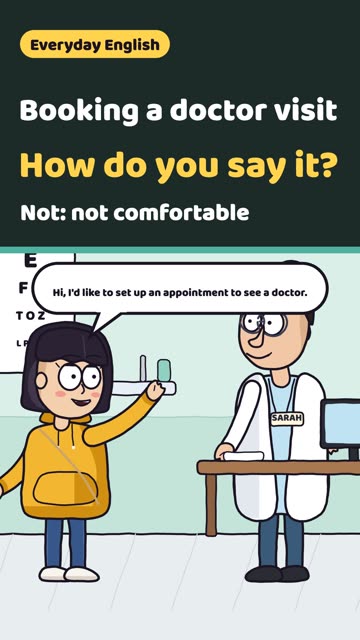
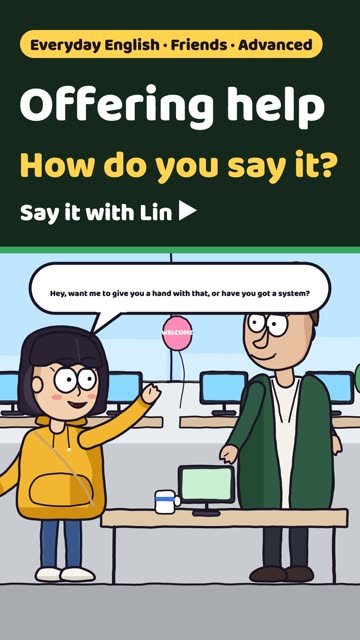
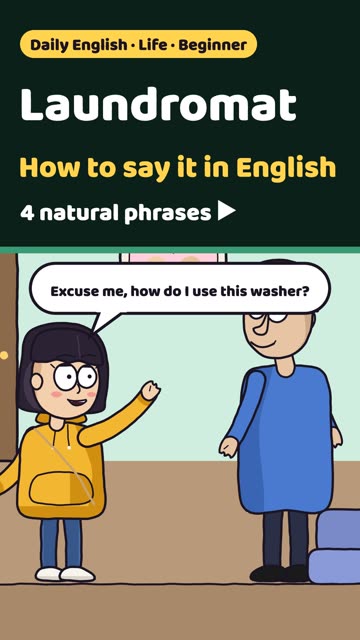
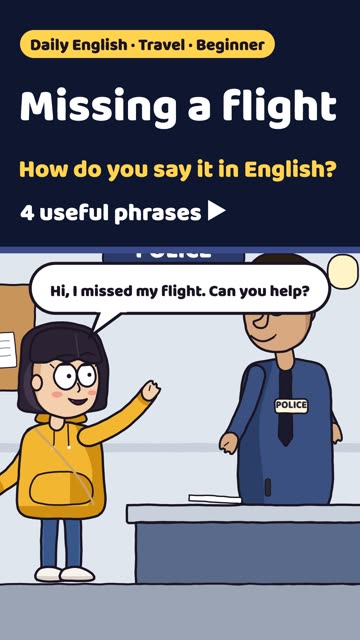
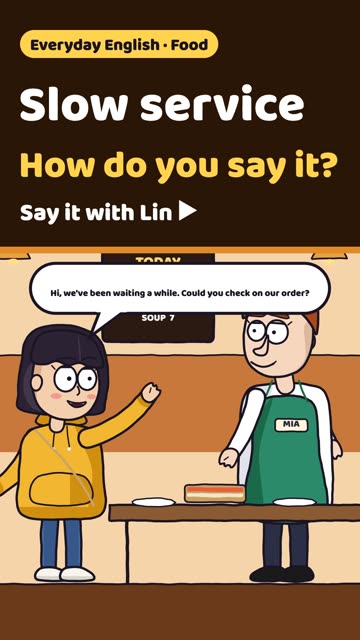
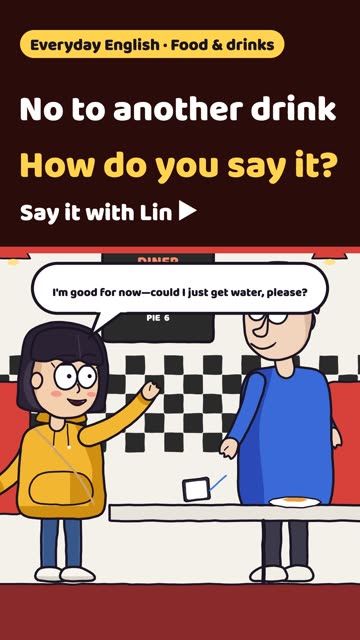
Shadow
Line by line
Other ways to say it
Best for actions or states in a full sentence: "We don't argue anymore."
More formal: "We are no longer strangers."
Better when you mean no extra amount: "That's enough cake for me."
Quick answers
What is the difference between "no more" and "not anymore"?
"No more" often goes before a noun or -ing form, or means no extra amount, like "no more arguing" or "no more coffee". "Not anymore" is common in full sentences: "We don't argue anymore."
Can I say "no more" before a verb?
Usually not before a main verb in standard English. Say "no more + noun/-ing" or use "don't ... anymore", like "I don't drink coffee anymore."