
What does “no worries” mean?
"No worries" is a friendly way to say something is okay, not a problem, or not a big deal. People use it after thanks or apologies, for small mistakes or requests, or before the next sentence to make the mood more relaxed.
When people say it
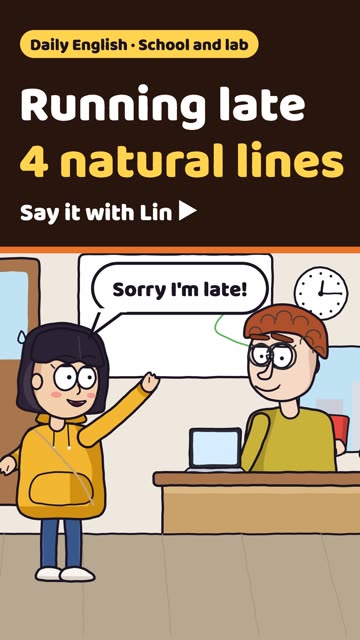
- After an apology: "Sorry I’m late." "No worries."
- After thanks: "Thanks for waiting." "No worries."
- To say yes to a small request: "Could you send it today?" "No worries."
- Before your next sentence, to relax the other person: "No worries, we just started."
Tone: Casual and warm. It is very common in Australian and British English, and also natural in American English, though sometimes less common than "No problem".
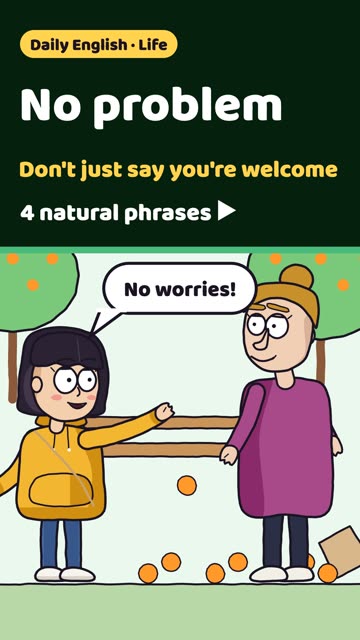
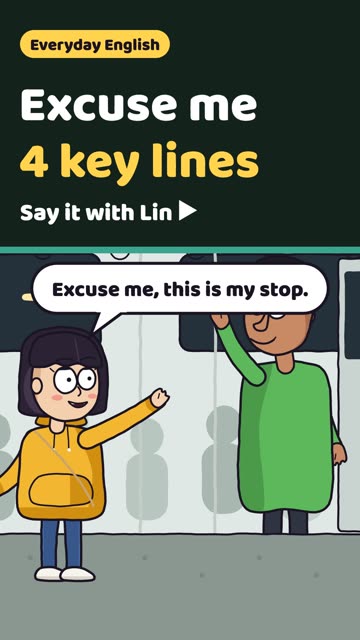
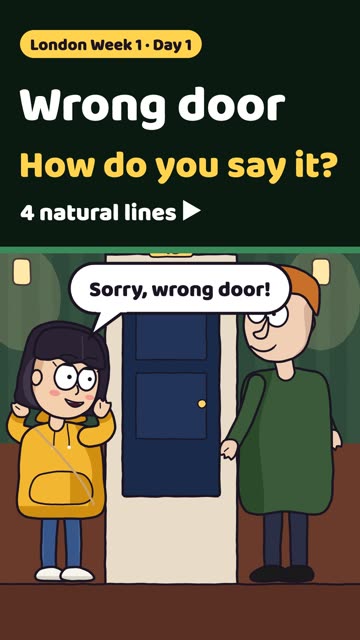
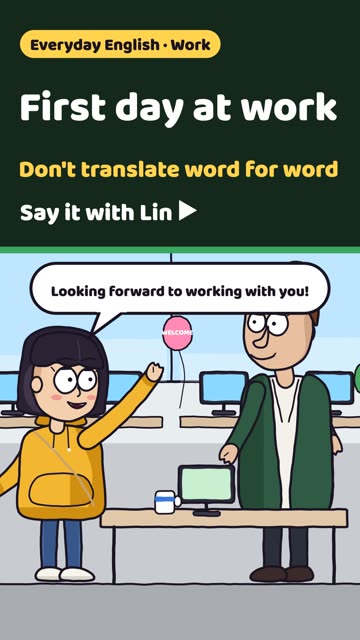
In 12 of Lin's scenes
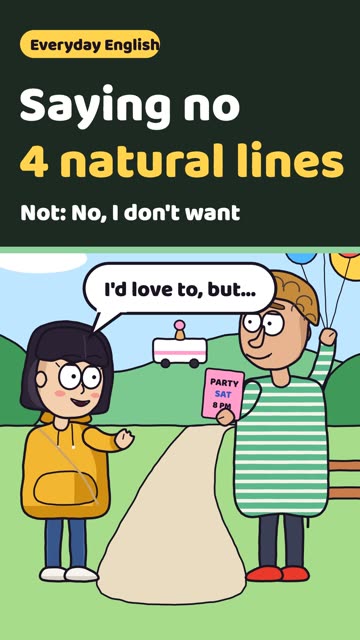
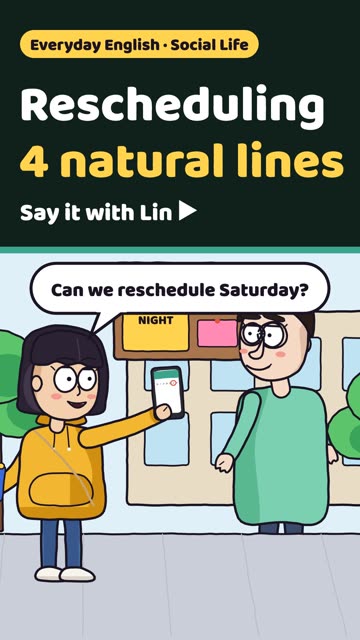
Real lines from the scenes. Open one to watch it and say it yourself.


Other ways to say it
Very close in meaning. Very common in North America.
A little more neutral and useful in many situations.
A bit stronger. It tells the other person to let it go.
Quick answers
Can I use "No worries" to reply to "Thank you"?
Yes. It is a very natural reply, especially in casual speech. It means something like "you’re welcome" or "it was fine".
Is "No worries" the same as "Don’t worry"?
Not exactly. "No worries" often reacts to a small problem that already happened. "Don’t worry" is more often used to tell someone not to feel worried about what may happen next.