
What does “would you mind…?” mean?
"Would you mind...?" is a polite way to ask for a small favor or to ask permission. It asks if your action causes trouble for the other person, so it sounds softer than a direct request.
When people say it
- Ask a stranger or someone you do not know well for a small favor: "Would you mind switching seats with me?"
- Ask permission in a careful way with "Would you mind if I...?": "Would you mind if I asked about your family?"
- Soften a reminder or a small complaint: "Would you mind keeping it down?"
- A similar pattern is "Do you mind + -ing": "Do you mind helping me with this?"
Tone: It is polite and soft, often a little more formal than a simple request, but it can still sound pushy if the request is too big or your voice is sharp.
In 7 of Lin's scenes
Real lines from the scenes. Open one to watch it and say it yourself.
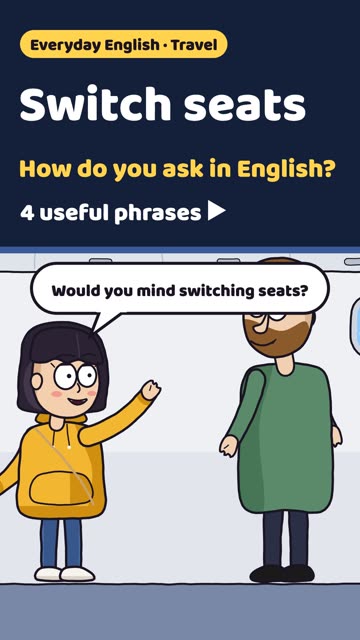


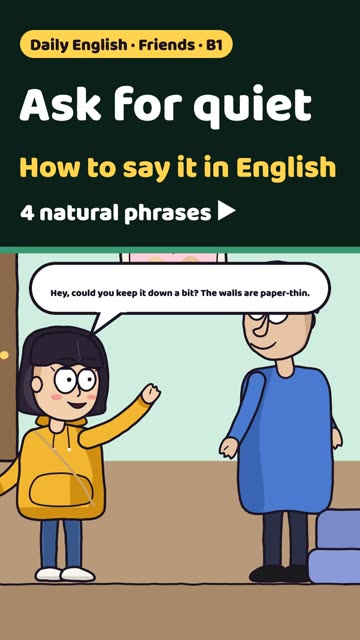


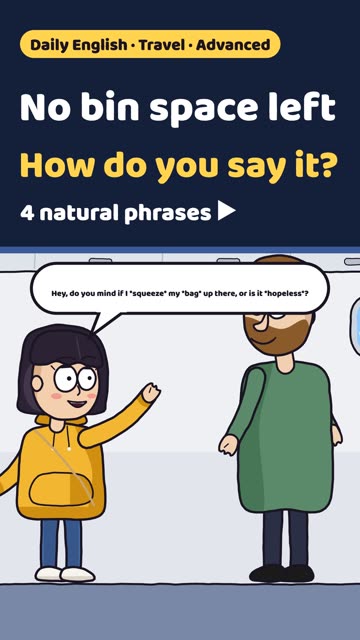
Shadow
Line by line
Other ways to say it
Very natural and still polite, but a bit more direct than "Would you mind...?".
A soft way to ask permission. Very common in everyday speech.
A direct request. It asks for the action, not the other person's feelings about it.
Quick answers
What comes after "would you mind"?
Usually use a verb with -ing: "Would you mind waiting?" If you use a full clause, say "Would you mind if I...?" Many speakers also use a past form for extra politeness: "Would you mind if I asked...?"
What is the difference between "would you mind" and "do you mind"?
Both are natural. "Would you mind" is usually a little softer and more polite, while "Do you mind" sounds a little more direct and everyday.