
What does “you know” mean?
"You know" depends on the pattern. It can mean having information or knowing a person, and in conversation it often checks that the listener understands; in "next thing you know," it shows a quick next step.
When people say it
- Ask for information: "Do you know when this is due?"
- Ask if someone knows a person or how they know them: "How do you know Emma?"
- Check that the listener understands or shares the feeling: "It was awkward, you know?"
- Use the fixed phrase in stories: "Next thing you know, we were talking for an hour."
Tone: Mostly neutral and very common; inserted in speech, "you know" is casual, and too much of it can sound vague or hesitant.
In 3 of Lin's scenes
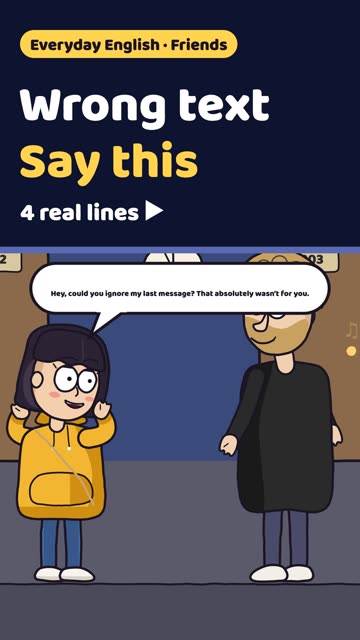
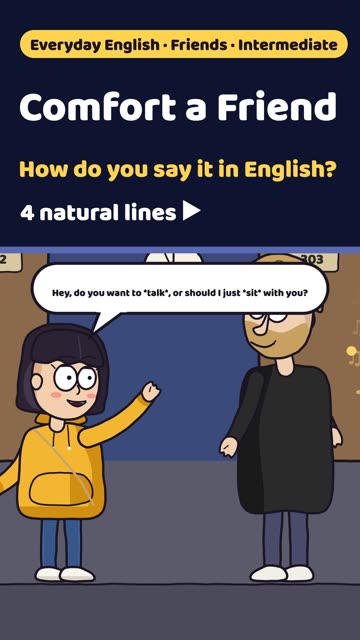
Real lines from the scenes. Open one to watch it and say it yourself.

Shadow
Line by line
Other ways to say it
Softer and a little more polite for asking for information.
More formal; good for things, places, or processes, not usually people.
More direct when you want to check that the listener follows your point.
Quick answers
Is "How do you know Emma?" the same as "How did you meet Emma?"
Not exactly. "How do you know Emma?" asks about your connection in general, while "How did you meet Emma?" asks only about the first meeting.
What does "next thing you know" mean?
It is a fixed phrase for something that happened very soon after, often with a slightly surprising or story-like feel.