
What does “that's fine / that's okay” mean?
"That's fine" and "that's okay / it's okay" often mean "no problem," "it's alright," or "that works." People use them to accept a situation, agree to a small change, or help someone feel less awkward.
When people say it
- Accepting a delay or change: "That's fine. We'll wait."
- Being kind when someone cannot come: "It's okay. We can do it next week."
- Agreeing to a time or plan: "Friday evening? That's fine."
- Making someone feel less embarrassed: "It's okay. I forget mine sometimes."
Tone: Usually neutral and friendly, but "that's fine" can sound a little cold or annoyed if you say it with a flat tone.
In 12 of Lin's scenes
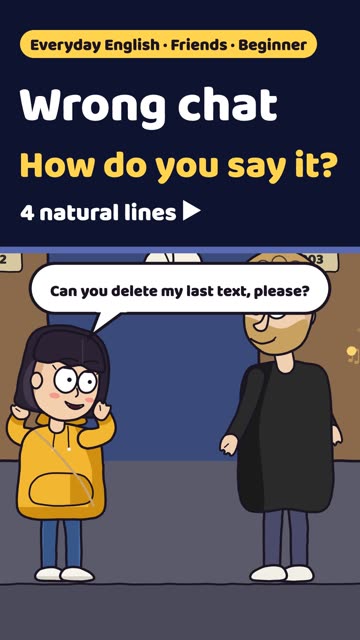
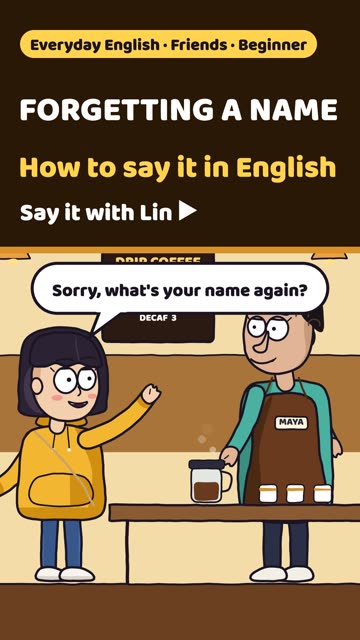
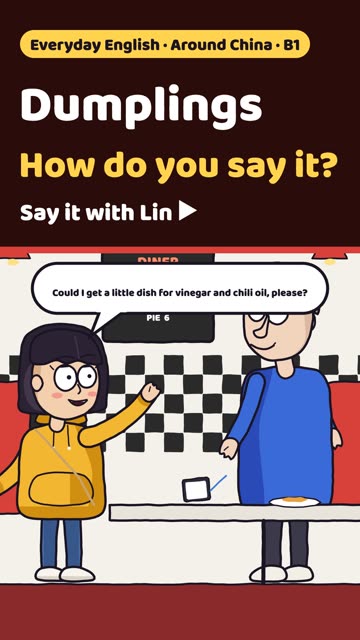
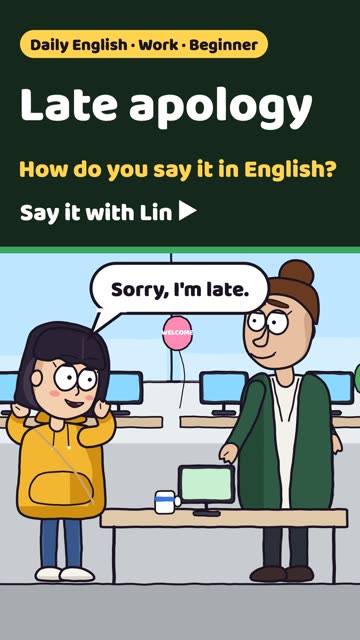
Real lines from the scenes. Open one to watch it and say it yourself.
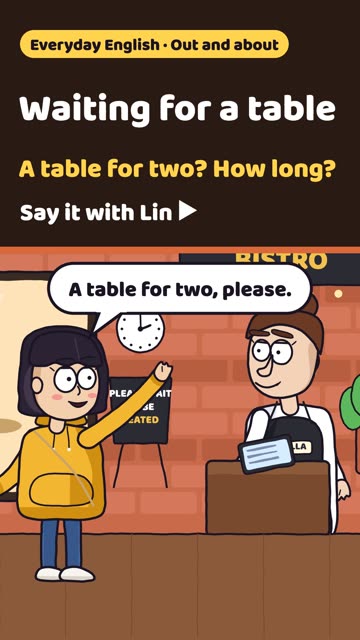
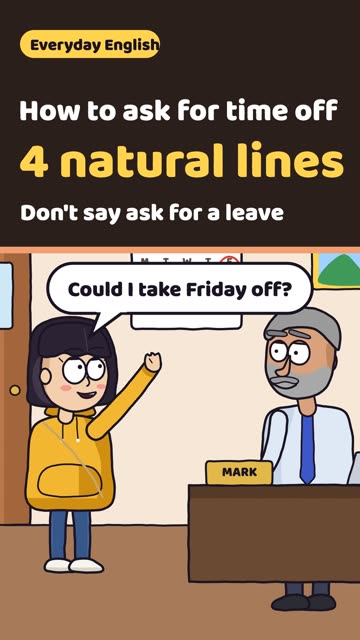
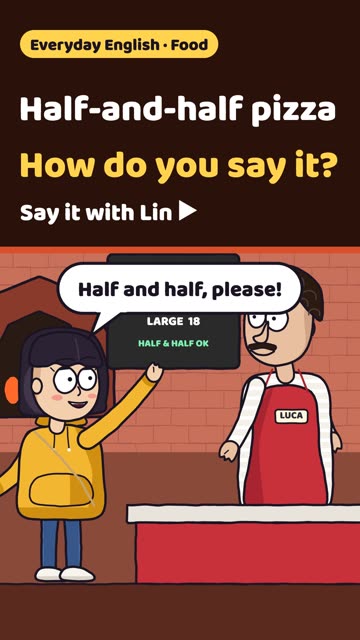
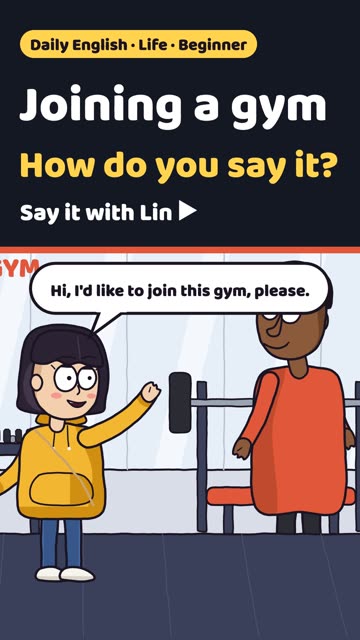
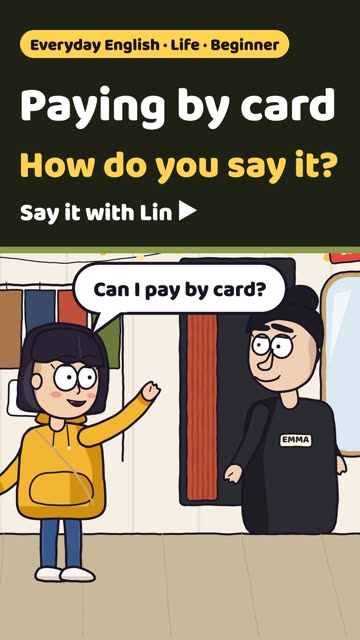

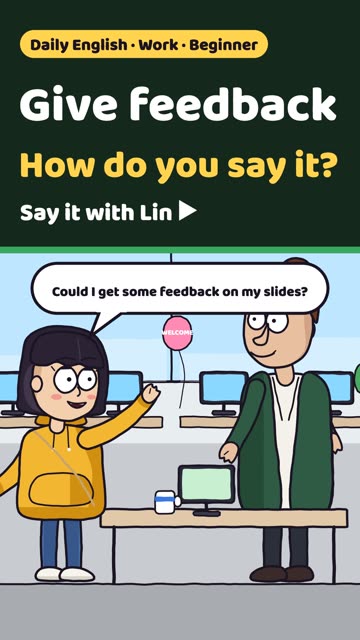
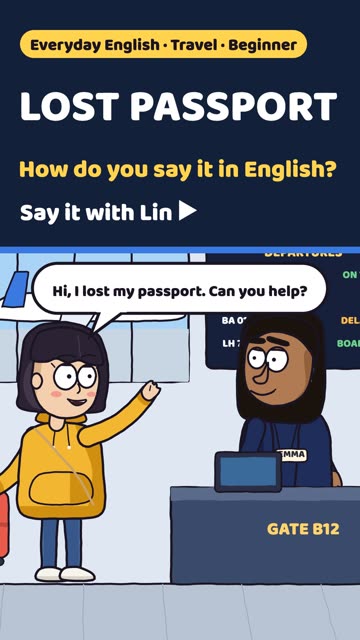
Shadow
Line by line
Other ways to say it
More casual. Very common after thanks or apologies.
More reassuring. Good when you want the other person to relax.
Good for accepting a request or a plan, but not for comforting someone.
Quick answers
What is the difference between "that's fine" and "that's okay"?
They are often very close in meaning. "That's fine" is often about accepting a plan or result, while "that's okay" or "it's okay" is very common for reassuring someone after a small problem.
Can I say "that's fine" after someone says sorry?
Yes, but tone matters. "That's okay," "it's okay," or "no worries" often sound warmer and more natural.