
What does “me too” mean?
“Me too” means “I feel the same” or “the same for me.” You say it when someone says a feeling, opinion, wish, or experience, and it is true for you too.
When people say it
- To show the same feeling or liking: A: “I love noodles.” B: “Me too.”
- To answer a wish or warm feeling: A: “I want to see you again.” B: “Me too.”
- To say the same thing happens to you: A: “I make silly mistakes before coffee.” B: “Me too.”
- At the end of a question, it can mean “also” about you: “Do you like me too?”
Tone: Very common and natural in casual everyday English; neutral and friendly. By itself, “Me too.” is short, so the tone depends on your voice and context.
In 10 of Lin's scenes
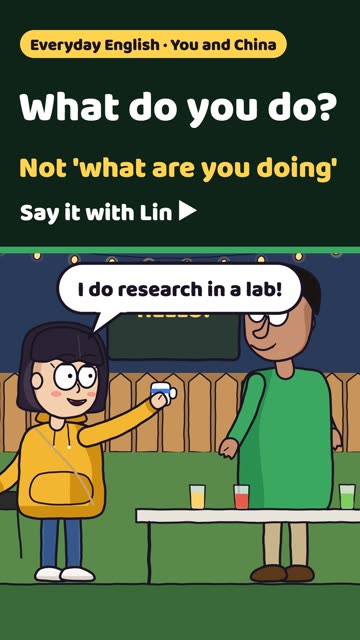
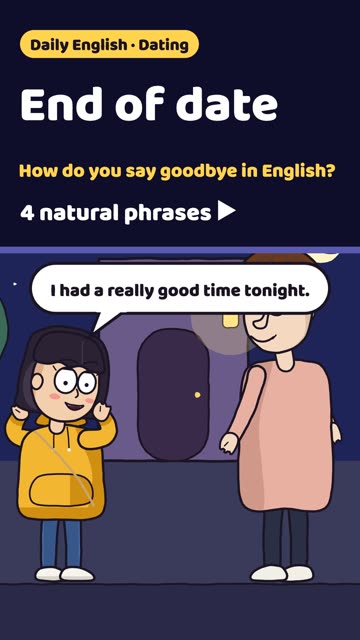
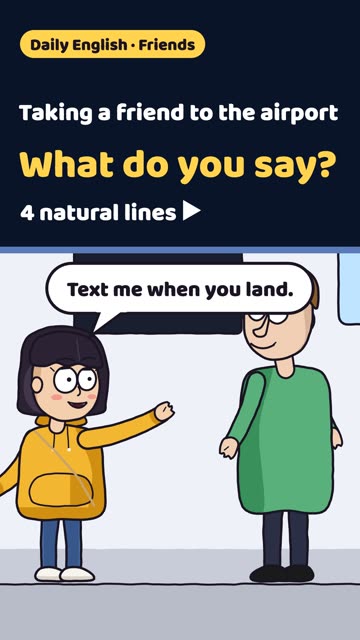
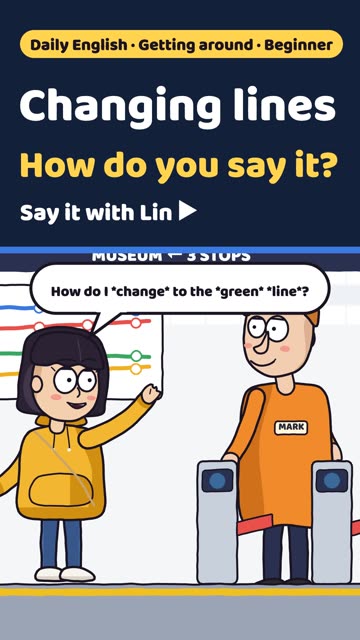
Real lines from the scenes. Open one to watch it and say it yourself.
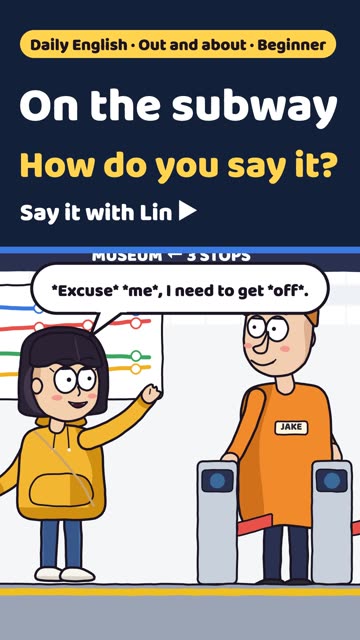
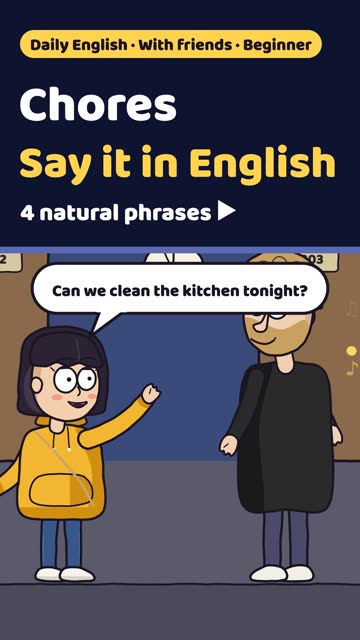
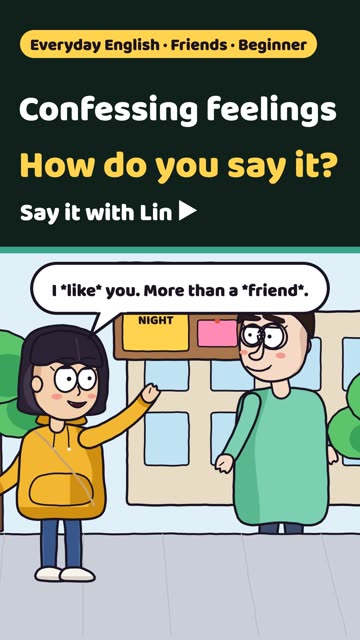
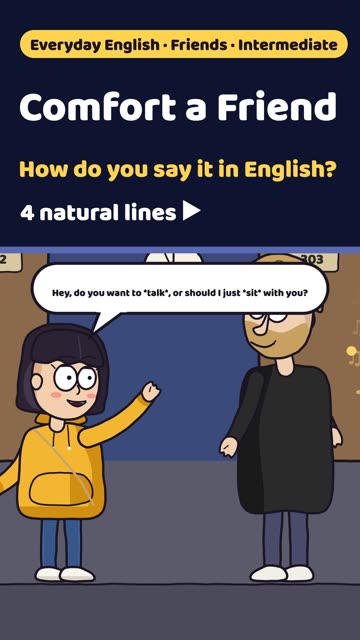

Shadow
Line by line
Other ways to say it
Also means “me too,” but a little more casual and chatty.
A little more formal; it follows the verb in the first sentence.
A fuller answer that adds a bit of emphasis.
Quick answers
Can I say “me too” after a negative sentence?
You will hear it in real conversation, and people understand it. But for clear, standard learner English, “Me neither” or “Neither do I” is better.
What is the difference between “me too” and “same here”?
They are very close. “Me too” is the basic, most common answer; “same here” sounds a little more casual and conversational.