
What does “way too…” mean?
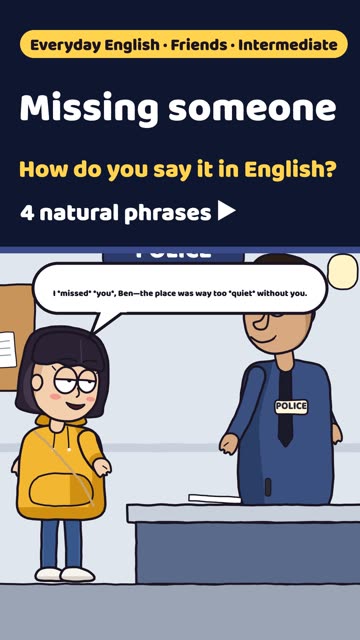
"Way too ..." means much more than is good, needed, or comfortable. It makes "too" stronger, often for complaints, surprise, or a joke about yourself.
When people say it
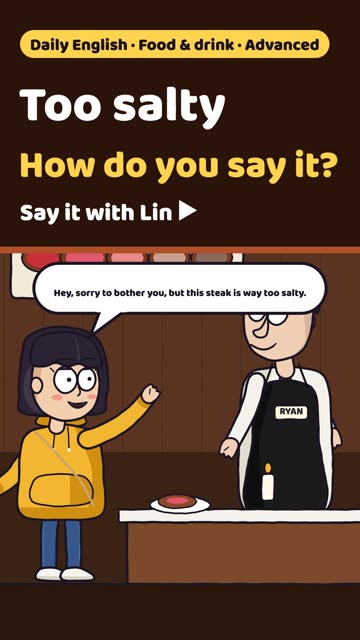
- For a strong complaint: "This steak is way too salty."
- For extra time, effort, or amount: "I spent way too long on this."
- For overthinking or overreacting: "Maybe I’m reading way too much into this."
- For light, funny exaggeration: "My mirror was way too encouraging."
Tone: Casual and very natural in speech; it can sound funny or a bit blunt, depending on the situation.
In 11 of Lin's scenes
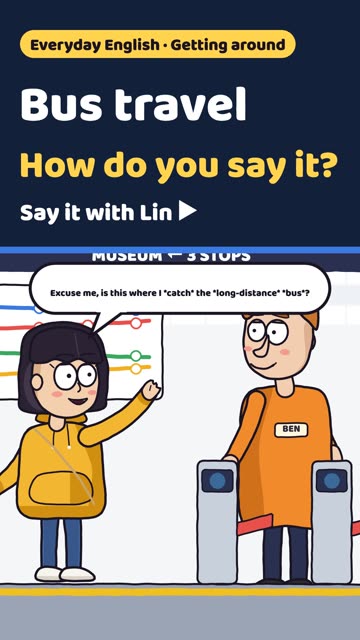
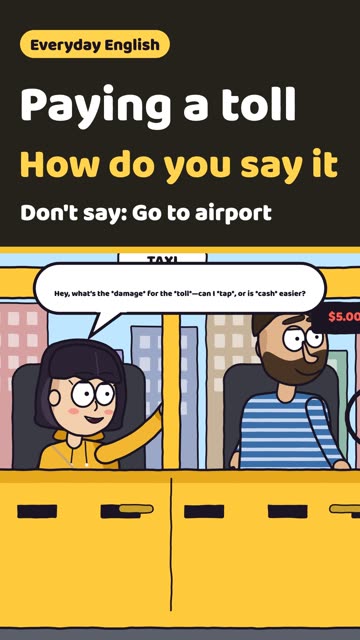
Real lines from the scenes. Open one to watch it and say it yourself.

Shadow
Line by line
Other ways to say it
Very similar meaning, but a little more formal.
Also natural in British and American English, and a bit less casual than "way too ...".
Weaker and more neutral; use it when you do not want as much emphasis.
Quick answers
Is "way too" rude?
Not by itself. It is common and natural, but in a complaint to another person it can sound stronger than just "too", so your tone matters.
Can I use "way too" before nouns?
Usually not alone. It most often comes before an adjective or adverb, like "way too quiet" or "way too long", or in "way too much/many ...".