
What does “not really” mean?
"Not really" is a soft way to say "no", "not exactly", or "not very much". People use it to gently correct something or to show the situation is a bit different from what someone thinks.
When people say it
- Answer a yes/no question in a softer way. Example: "Are you lost?" — "Not really. I just took a wrong turn."
- Gently correct someone. Example: "So you're almost done?" — "Not really. We're on page twelve."
- Say something is not very true for you, or you did not like it much. Example: "Did you like the movie?" — "Not really. It was too long."
- Say you do not really want that option. Example: "Do you want pizza?" — "Not really. Anything is fine."
Tone: Casual and natural; softer than "no", but it can still sound like a mild correction.
In 8 of Lin's scenes
Real lines from the scenes. Open one to watch it and say it yourself.
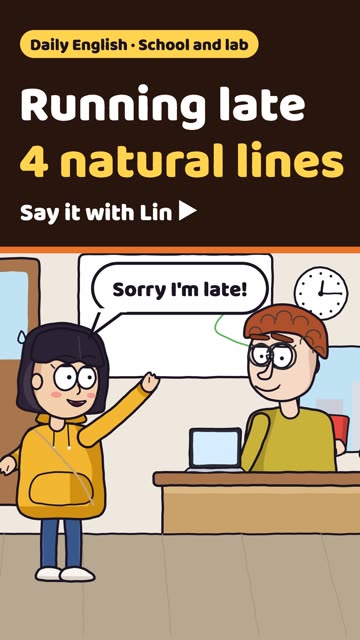
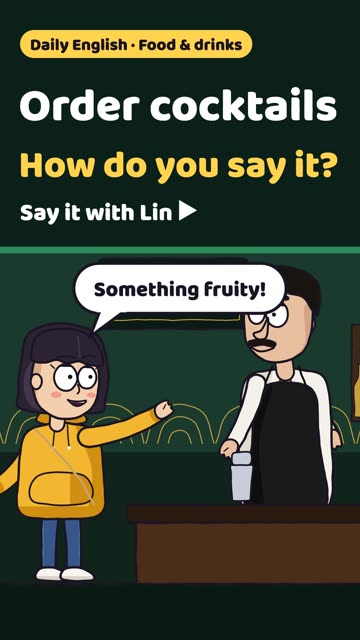
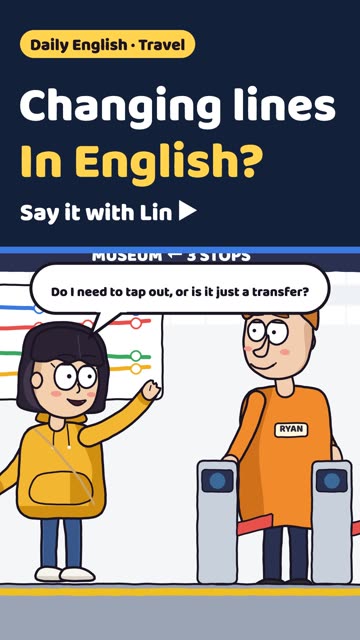

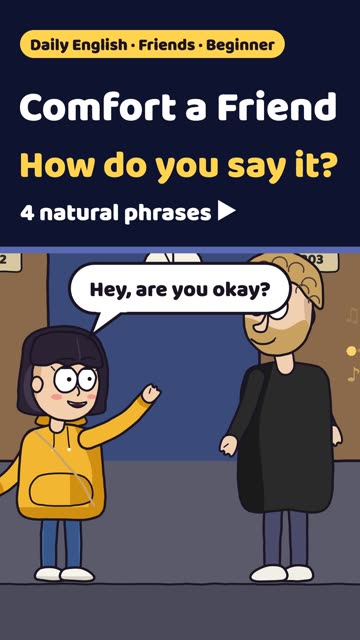
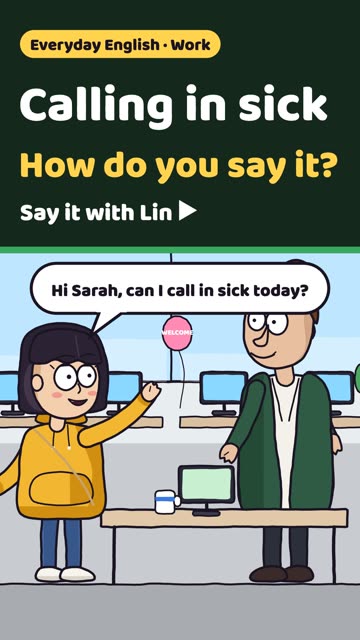
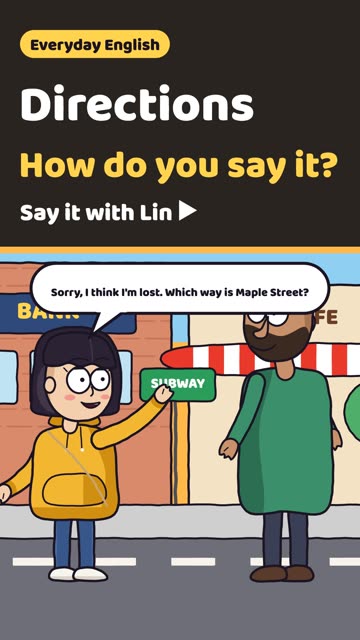
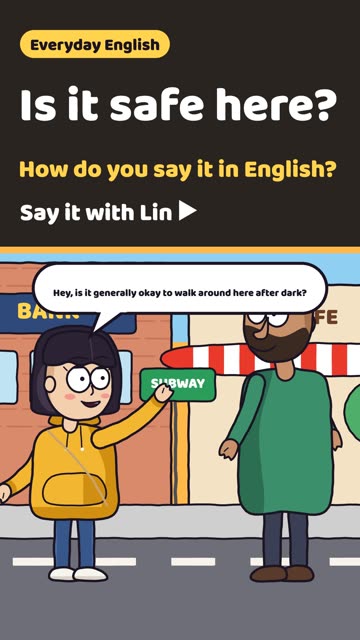
Shadow
Line by line
Other ways to say it
Closer to "that is not quite correct". It focuses on inaccuracy.
Very similar to "not exactly", with a soft, polite feel.
Used more for degree, like feelings or interest: "I'm not particularly hungry."
Quick answers
Is "not really" rude?
Usually no. It is often softer than "no". But with a flat voice, it can sound a little dismissive or uninterested.
Can "not really" stand alone as an answer?
Yes. That is very common. People also often add a short reason, like "Not really. I've got a fever."