
What does “you're fine” mean?
"You're fine" usually means there is no problem. It reassures someone that they are okay, not in trouble, not bothering anyone, or allowed to do something.
When people say it
- To calm someone who feels worried or embarrassed: "You're fine. Everyone looks lost at first."
- To respond to an apology or worry about bothering you: "No, you're fine. I haven't started yet."
- To give permission, often in "you're fine to...": "You're fine to take pictures, just keep the flash off."
- To say a situation is still okay if they stay within a limit: "Keep it light, and you're fine."
Tone: Usually casual to neutral and reassuring, but if said too quickly it can sound dismissive.
In 12 of Lin's scenes
Real lines from the scenes. Open one to watch it and say it yourself.
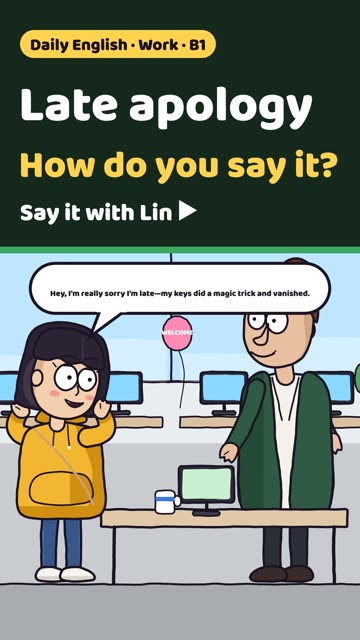

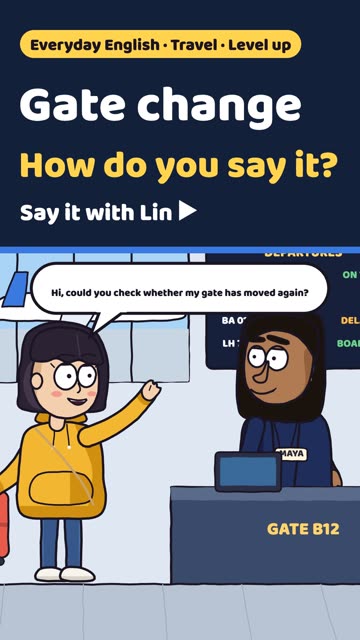

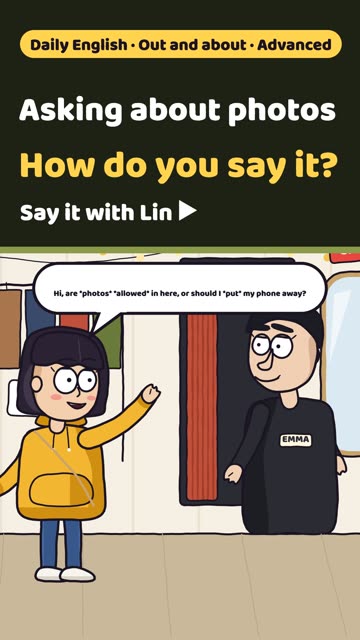
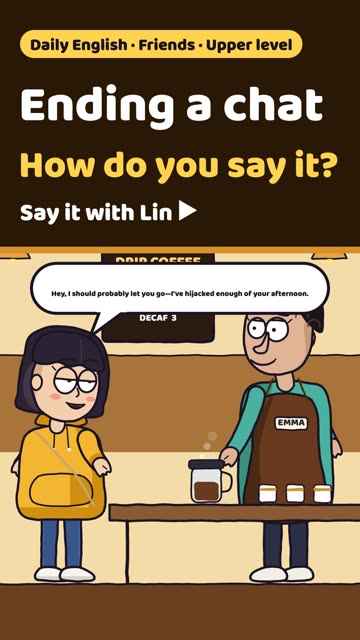
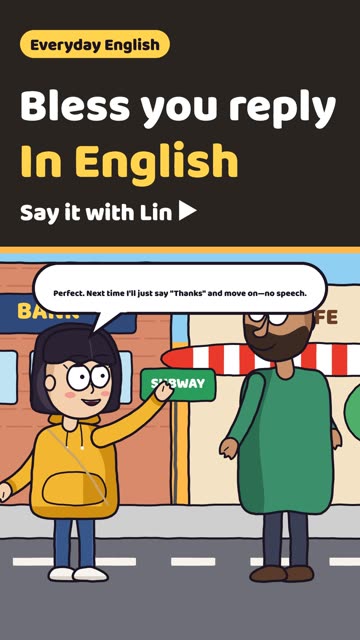

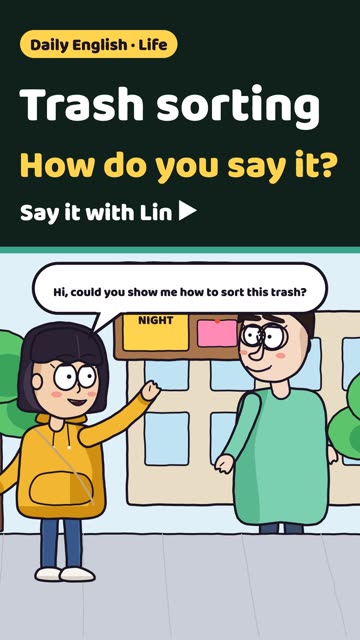
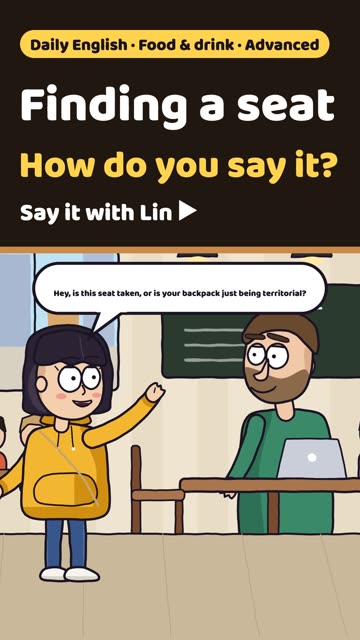

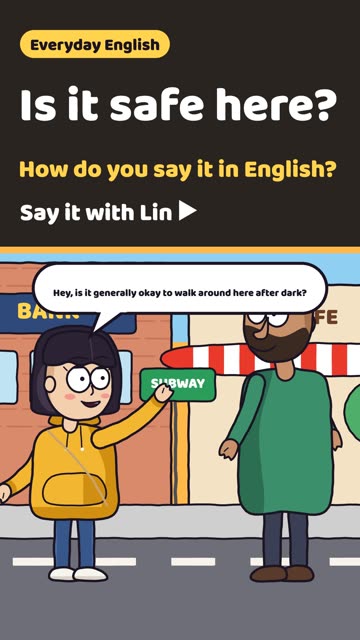
Shadow
Line by line
Other ways to say it
Very common and casual. Good when someone apologises or feels bad.
Very close in meaning. It can feel a little softer and more comforting.
Focuses on the situation, not the person. Good for small mistakes or apologies.
Quick answers
Does "you're fine" mean "it's okay"?
Often, yes. It usually means there is no problem and the other person does not need to worry.
What does "you're fine to take pictures" mean?
It means "you're allowed to take pictures" or "it's okay for you to take pictures". People use it in conversation to give quick permission.