
英語口語短語
end up 是什麼意思?怎麼用
"end up" 表示最後到了某個結果、狀態或地方,常帶一點“繞了一圈之後結果是這樣”或“不是一開始計劃好的”的感覺。口語裡很常用,可以說事情最後變成什麼,也可以說人或東西最後到了哪裡。
什麼時候說
- 說最後到了某個地方:"We wandered around and ended up by the river."
- 說最後變成某種結果:"If you don’t save the file, you might end up losing it."
- 說某人最後成了什麼:"He studied law but ended up as a teacher."
- 說包裹、鑰匙之類最後到了哪裡:"Did my package end up at your place?"
語氣: 很口語、很自然,也可用於中性場合;常帶一點意外、無奈或自嘲,但不一定是壞結果。
注意: 不要把它直譯成“結束”就停了。"end up" 不是單純說動作結束,而是說“最後結果如何”。比如不是 "I end up my homework",要說 "I finished my homework";如果要說“最後我去寫作業了”,才是 "I ended up doing my homework."
在 Lin 的 8 個場景裡
都是場景裡的原句,點開就能看影片、跟著說。
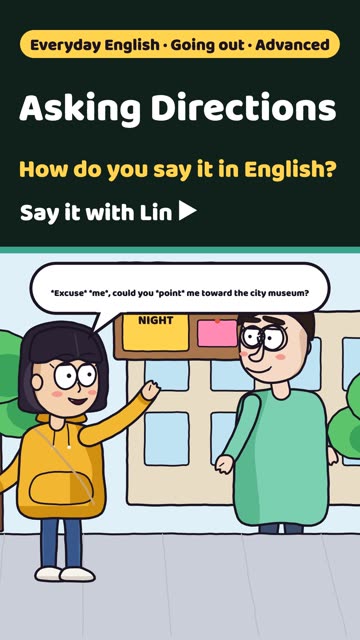
Then I'd better focus—if I end up by the river again, I've failed.那我最好專心點——要是我又走到河邊去了,那就算我失敗。街頭問路 · 進階
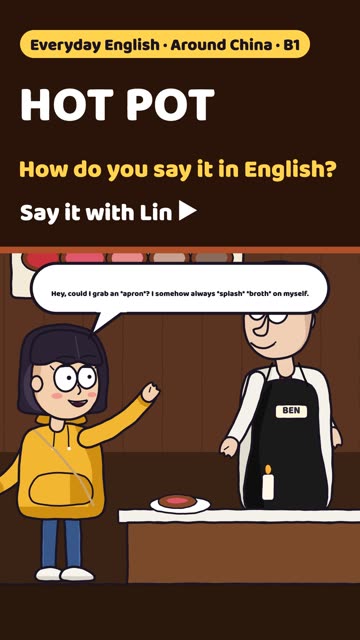
And the noodles need longer, right? They usually end up my first casualty.那麵條要更久,對吧?它們通常最先遭殃。吃火鍋 · 進階
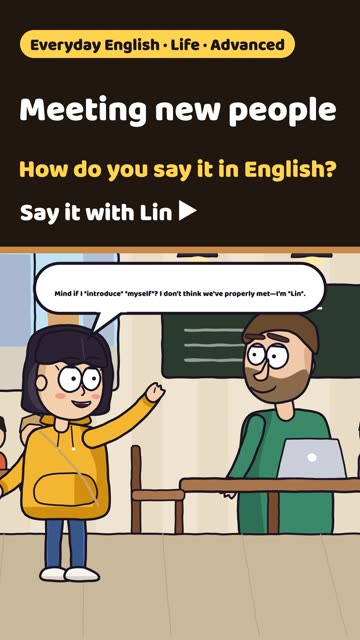
Deal—and if we end up waving at the wrong people, we'll call it networking.成交——要是我們朝認錯的人揮手,就當是在拓展人脈吧。初次見面 · 進階
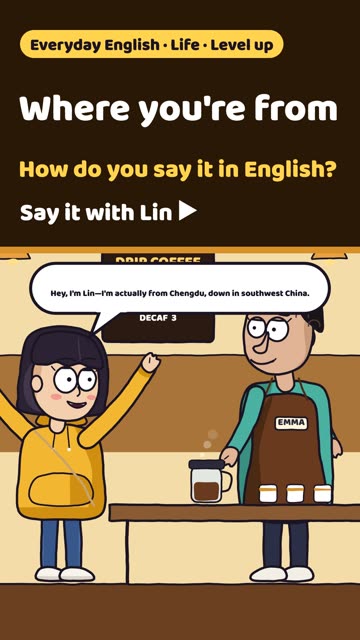
Fair warning: once I say Chengdu, I always end up defending spice levels.先提醒一下,我一說成都,最後總會聊到辣度這件事。介紹自己從哪來 · 進階
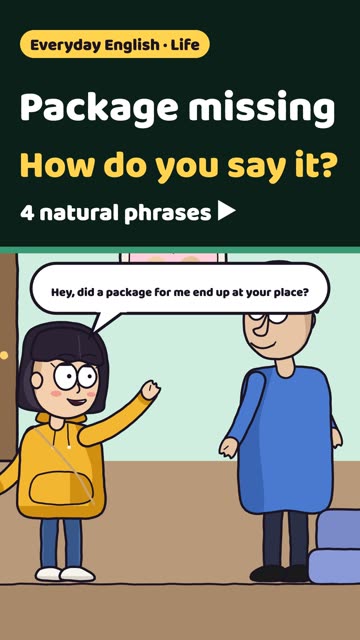
Hey, did a package for me end up at your place?嗨,我有個快遞是不是送到你家了?快遞沒收到 · 日常
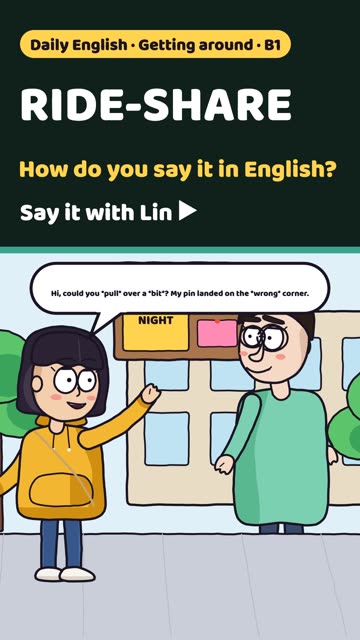
As long as we don't end up circling like a confused seagull, I'm happy.別帶我像只迷路海鷗一樣兜圈子就行。叫網約車 · 進階
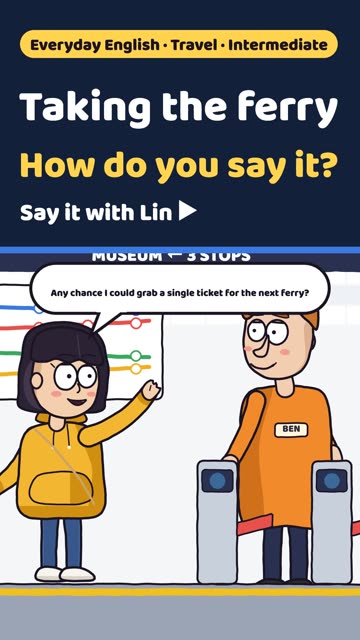
Let's do the return—I'd rather not tempt fate and end up swimming back.那就買往返吧——我還是別冒這個險,免得得游回來。坐輪渡 · 進階
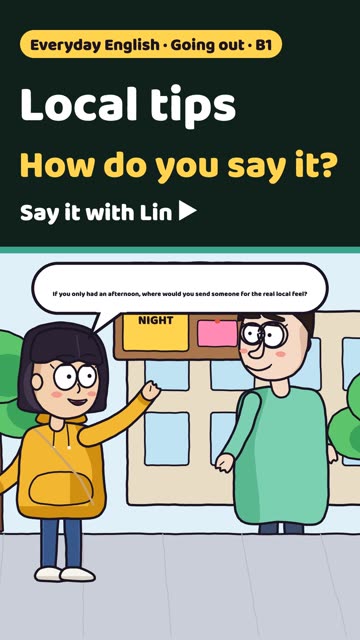
Honestly, I'd grab a coffee, wander the market, and end up by the river.說真的,我會先喝杯咖啡,逛逛集市,最後去河邊待著。問當地推薦 · 進階
跟讀
逐句糾音
Lin
Then I'd better focus—if I end up by the river again, I've failed.那我最好專心點——要是我又走到河邊去了,那就算我失敗。
Lin
And the noodles need longer, right? They usually end up my first casualty.那麵條要更久,對吧?它們通常最先遭殃。
Lin
Deal—and if we end up waving at the wrong people, we'll call it networking.成交——要是我們朝認錯的人揮手,就當是在拓展人脈吧。
相近說法
wind up
意思很接近,也很口語;美式和英式都能聽到。
turn out
更常用於“結果證明是……”,多說結果,不太用來表示最後到了某個地方。
in the end
只強調“最後”,不一定有“結果變成這樣”的感覺,不能總拿來替換。
常見問題
"end up" 後面一定要接 "doing" 嗎?
不一定。常見結構有 "end up doing"、"end up + place"、"end up + adjective"、"end up as/with"。比如 "end up by the river"、"end up alone"、"end up with a fine" 都對。
"end up" 一定表示不好的結果嗎?
不一定。它常用於意外結果,所以壞結果很多,但好結果也很自然,比如 "We missed the bus but ended up having a great walk."