
英语口语短语
end up 是什么意思?怎么用
"end up" 表示最后到了某个结果、状态或地方,常带一点“绕了一圈之后结果是这样”或“不是一开始计划好的”的感觉。口语里很常用,可以说事情最后变成什么,也可以说人或东西最后到了哪里。
什么时候说
- 说最后到了某个地方:"We wandered around and ended up by the river."
- 说最后变成某种结果:"If you don’t save the file, you might end up losing it."
- 说某人最后成了什么:"He studied law but ended up as a teacher."
- 说包裹、钥匙之类最后到了哪里:"Did my package end up at your place?"
语气: 很口语、很自然,也可用于中性场合;常带一点意外、无奈或自嘲,但不一定是坏结果。
注意: 不要把它直译成“结束”就停了。"end up" 不是单纯说动作结束,而是说“最后结果如何”。比如不是 "I end up my homework",要说 "I finished my homework";如果要说“最后我去写作业了”,才是 "I ended up doing my homework."
在 Lin 的 8 个场景里
都是场景里的原句,点开就能看视频、跟着说。
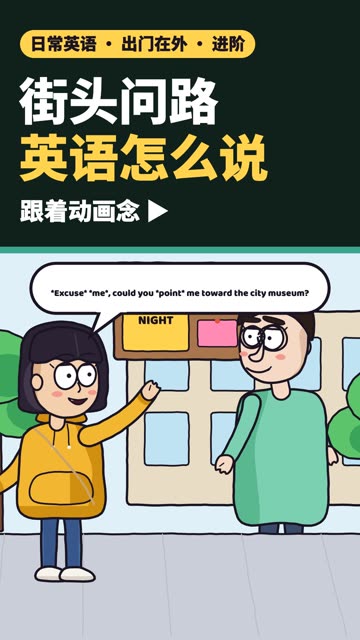
Then I'd better focus—if I end up by the river again, I've failed.那我最好专心点——要是我又走到河边去了,那就算我失败。街头问路 · 进阶
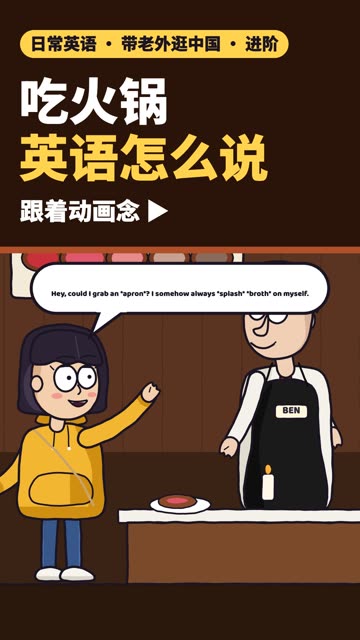
And the noodles need longer, right? They usually end up my first casualty.那面条要更久,对吧?它们通常最先遭殃。吃火锅 · 进阶
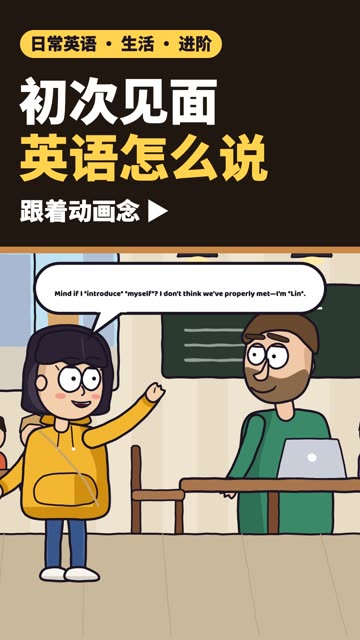
Deal—and if we end up waving at the wrong people, we'll call it networking.成交——要是我们朝认错的人挥手,就当是在拓展人脉吧。初次见面 · 进阶
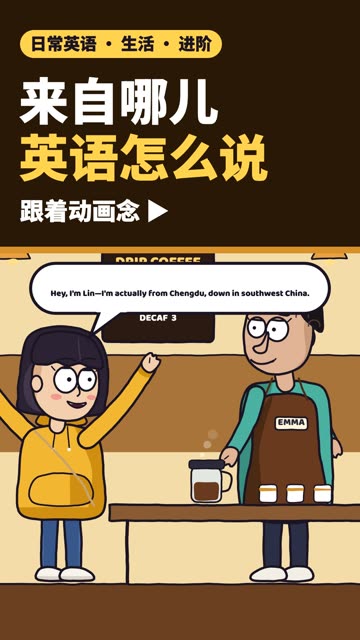
Fair warning: once I say Chengdu, I always end up defending spice levels.先提醒一下,我一说成都,最后总会聊到辣度这件事。介绍自己从哪来 · 进阶
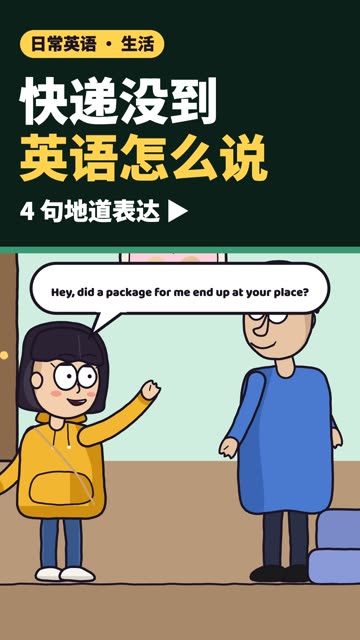
Hey, did a package for me end up at your place?嗨,我有个快递是不是送到你家了?快递没收到 · 日常
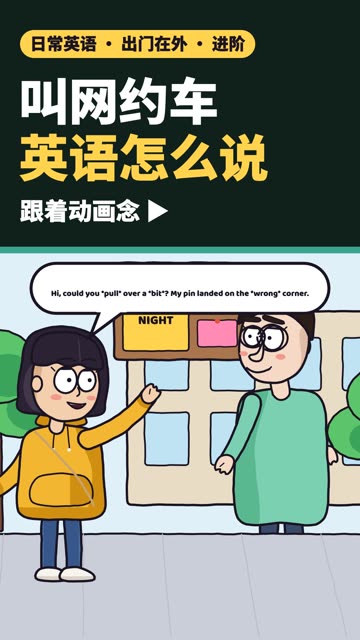
As long as we don't end up circling like a confused seagull, I'm happy.别带我像只迷路海鸥一样兜圈子就行。叫网约车 · 进阶
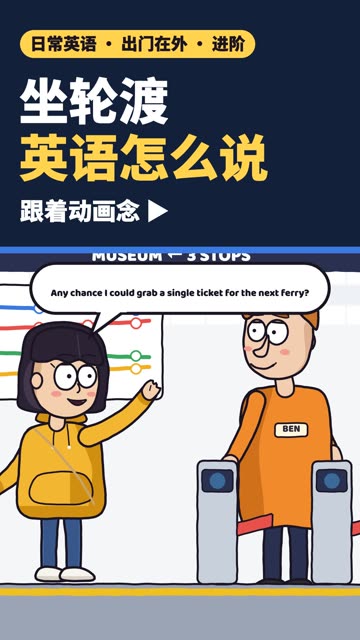
Let's do the return—I'd rather not tempt fate and end up swimming back.那就买往返吧——我还是别冒这个险,免得得游回来。坐轮渡 · 进阶
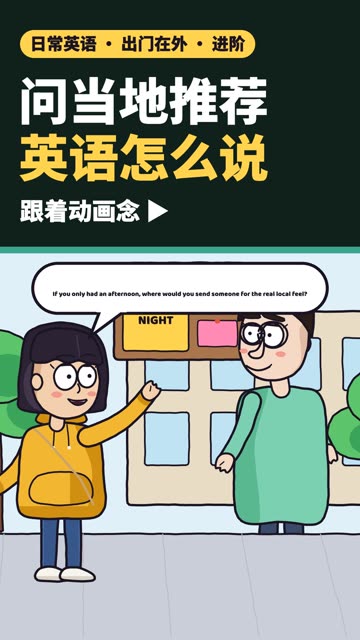
Honestly, I'd grab a coffee, wander the market, and end up by the river.说真的,我会先喝杯咖啡,逛逛集市,最后去河边待着。问当地推荐 · 进阶
跟读
逐句纠音
Lin
Then I'd better focus—if I end up by the river again, I've failed.那我最好专心点——要是我又走到河边去了,那就算我失败。
Lin
And the noodles need longer, right? They usually end up my first casualty.那面条要更久,对吧?它们通常最先遭殃。
Lin
Deal—and if we end up waving at the wrong people, we'll call it networking.成交——要是我们朝认错的人挥手,就当是在拓展人脉吧。
相近说法
wind up
意思很接近,也很口语;美式和英式都能听到。
turn out
更常用于“结果证明是……”,多说结果,不太用来表示最后到了某个地方。
in the end
只强调“最后”,不一定有“结果变成这样”的感觉,不能总拿来替换。
常见问题
"end up" 后面一定要接 "doing" 吗?
不一定。常见结构有 "end up doing"、"end up + place"、"end up + adjective"、"end up as/with"。比如 "end up by the river"、"end up alone"、"end up with a fine" 都对。
"end up" 一定表示不好的结果吗?
不一定。它常用于意外结果,所以坏结果很多,但好结果也很自然,比如 "We missed the bus but ended up having a great walk."