
What does “just in case” mean?
"Just in case" means you do something as a precaution because something might happen. It often comes at the end of a sentence, but it can also be followed by a clause.
When people say it
- Bring or add something for a possible need: "I'll bring a jacket, just in case."
- Buy extra protection or take one more step: "Full coverage, please. Just in case."
- Ask for contact details or information so you have a backup: "Could I get your number, just in case?"
- Use it in a light or playful way too: "I'll do my hair, just in case we take pictures."
Tone: It is casual to neutral and very common in everyday speech; sometimes it can make you sound a little cautious or lightly joking.
In 12 of Lin's scenes
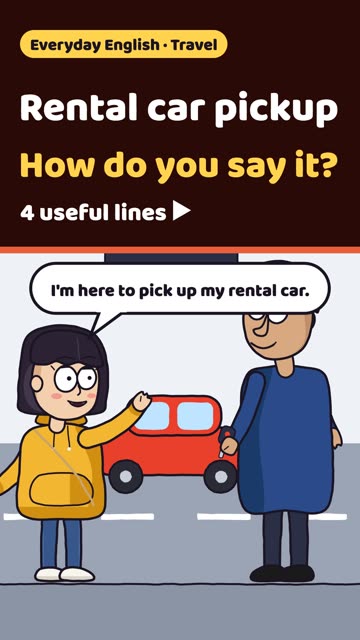
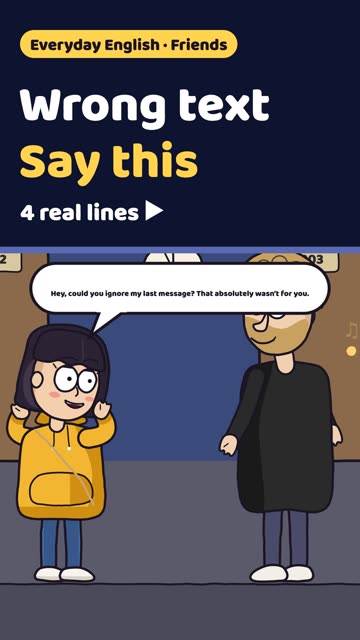
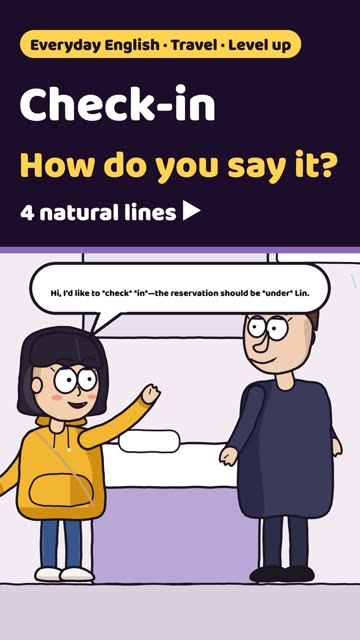
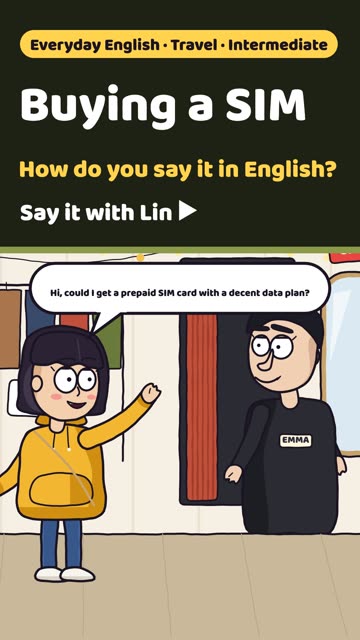
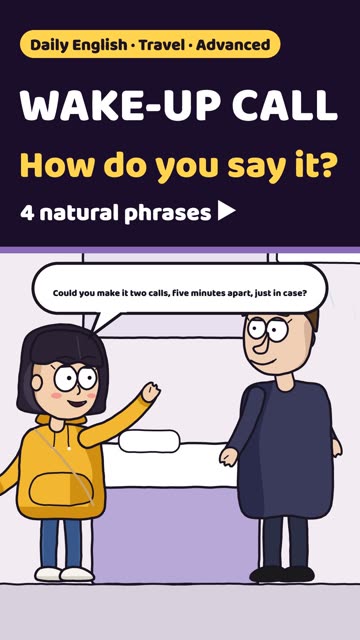
Real lines from the scenes. Open one to watch it and say it yourself.





Other ways to say it
Very close in meaning, a little more direct and conversational.
More formal and more common in notices, service, or medical contexts.
More chatty. It stresses uncertainty more than planning.
Quick answers
Is "just in case" the same as "in case"?
They are often very close. Adding "just" usually gives a small feeling of extra caution or reassurance.
Can I put "just in case" at the end of a sentence?
Yes. That is one of the most natural patterns, especially when the reason is already clear from the situation, like "I'll bring an umbrella, just in case."