
What does “not at all” mean?
"Not at all" usually means "no, definitely not" or "not in the least." It often removes a worry: you are not bothering me, it is not a problem, or something is not true.
When people say it
- To answer a worried yes/no question with a strong no. Example: "Is it heavy?" "Not at all. It's very light."
- To show someone they are not bothering you. Example: "Am I bothering you?" "Not at all."
- To reply politely to thanks or an apology. Example: "Thanks." "Not at all."
- To answer a "Would you mind...?" request and say you do not mind. Example: "Would you mind opening the window?" "Not at all."
Tone: Neutral to polite; softer than a plain "No," but by itself it can sound a little formal in some situations.
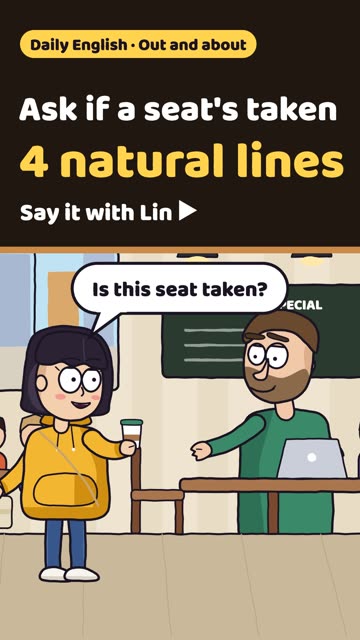
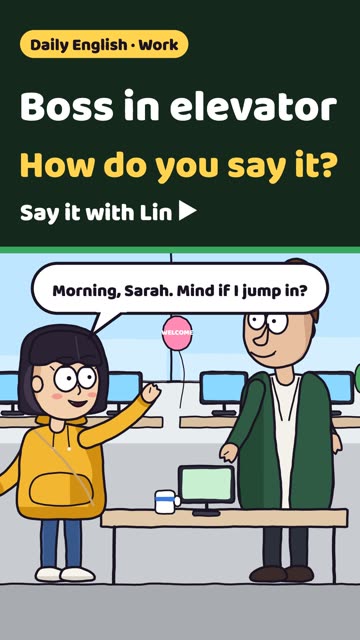
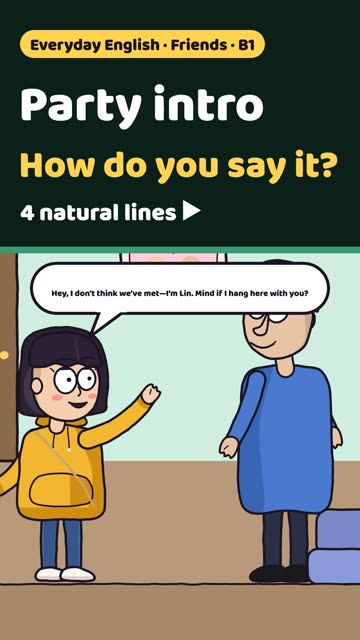
In 12 of Lin's scenes
Real lines from the scenes. Open one to watch it and say it yourself.







Other ways to say it
Clearer and very common in speech; it makes the strong no explicit.
Softer; it means "not quite" or "not much," not a strong full no.
Better for thanks, apologies, or saying something is no trouble; not for saying something is completely untrue.
Quick answers
Can "not at all" mean "you're welcome"?
Yes. It can reply to thanks, though "You're welcome" and "No problem" are more common in everyday speech.
Is "not at all" old-fashioned?
No, it is still natural in both British and American English. But as a reply to thanks, it can sound a bit more formal than casual everyday choices.