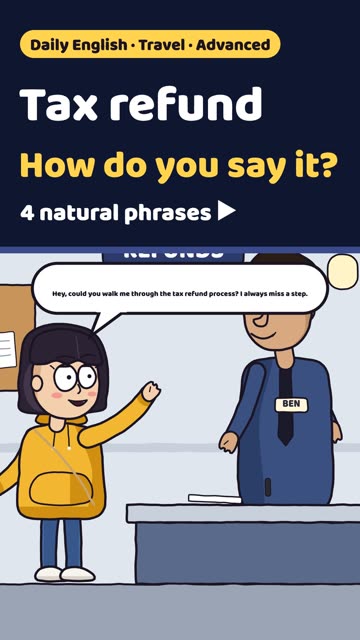
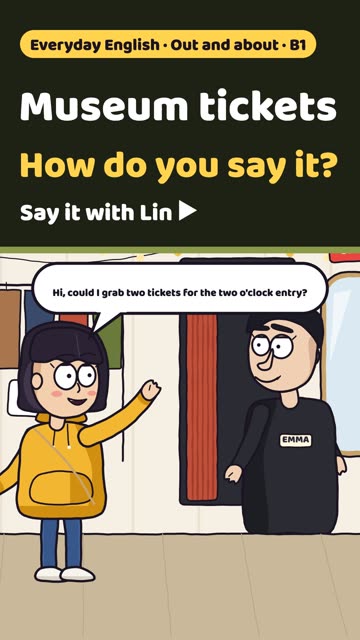
Cómo tomar un ferry en inglés (avanzado)
Inglés avanzado para tomar un ferry. Frase clave: “Any chance I could grab a single ticket for the next ferry?”
Guion completo
Tomar un ferry: cómo es de verdad
Estás en la taquilla del ferry y necesitas comprar un billete, preguntar por el próximo barco y revisar algunos detalles pequeños del viaje. Después de esto, puedes hablar de un trayecto en ferry de una forma simple y natural.
Avanzado Esta versión maneja más matices, como cambiar el billete y reaccionar de forma natural ante pequeñas sorpresas del viaje.
Lo que suele pasar allí
En muchos lugares donde salen ferris, primero compras el billete y luego esperas para embarcar. A menudo te preguntan si necesitas ida o ida y vuelta, y pueden mencionar una puerta o la hora de embarque. Las palabras exactas pueden cambiar un poco según la ciudad, pero este orden es muy común.
Por qué estas frases suenan naturales
“I’d like one ticket for the ferry, please” suena educado y normal en una taquilla. “The next ferry leaves in ten minutes” es breve y natural, y en inglés se usa mucho leave para el transporte.
Error común que conviene evitar
Un error común es copiar demasiado el orden de las palabras del español, como decir “I want buy one ticket” o “Can I use card?” Una frase mejor es “Can I pay by card?” o “Could I get one ticket, please?”
El mismo momento en tres niveles
Lo que Lin dice primero en cada versión. Elige la que te parezca un poco difícil.
Chequeo rápido
1Dicen: “Sure thing—walking on, or are you bringing a bike with you?” ¿Qué dices tú?
Esa es la frase de Lin en la escena.
2Dicen: “It's one-way, but a return's only a bit more if you're feeling brave.” ¿Qué dices tú?
Esa es la frase de Lin en la escena.
Cada frase de la escena, en inglés
¿Cómo se dice «¿Hay alguna posibilidad de comprar un billete sencillo para el próximo ferry» en inglés?
Puedes decir: Any chance I could grab a single ticket for the next ferry?
¿Qué significa «Sure thing—walking on, or are you bringing a bike with you?» y cómo responder?
Significa «Claro. ¿Vas a pie o traes una bici contigo». Puedes responder: Just me, and hopefully my stomach behaves better than it did yesterday.
¿Cómo se dice «Solo yo, y ojalá mi estómago se porte mejor que ayer» en inglés?
Puedes decir: Just me, and hopefully my stomach behaves better than it did yesterday.
¿Qué significa «Then I'd sit outside if you can; the breeze usually helps» y cómo responder?
Significa «Entonces me sentaría afuera, si puedes; la brisa suele ayudar». Puedes responder: Good call. Also, does this ticket cover the return, or just one way?
¿Cómo se dice «Buena idea. Además, ¿este billete incluye el regreso o solo la ida» en inglés?
Puedes decir: Good call. Also, does this ticket cover the return, or just one way?
¿Qué significa «It's one-way, but a return's only a bit more if you're feeling brave» y cómo responder?
Significa «Es de ida, pero la vuelta cuesta solo un poco más si te animas». Puedes responder: Let's do the return—I'd rather not tempt fate and end up swimming back.
¿Cómo se dice «Pues hagamos ida y vuelta; prefiero no tentar a la suerte y acabar nadando de regreso» en inglés?
Puedes decir: Let's do the return—I'd rather not tempt fate and end up swimming back.
¿Qué significa «Smart move. The fish still don't offer a return service» y cómo responder?
Significa «Buena decisión. Los peces todavía no ofrecen servicio de regreso». Puedes responder:
Frases clave
Las líneas que vale la pena guardar. Léelas una vez antes de salir.
Forma educada de preguntar si puedes comprar ...
Más relajado que Could I get
Forma natural de estar de acuerdo
Natural para agreeing
Preguntar si el regreso está incluido
cover puede significar incluir
En broma: mejor no arriesgarse
Medio en broma: no hay que tentar a la suerte
Frases comunes en esta escena
Respuestas rápidas
¿Qué significa “Any chance I could grab a ” y cuándo se dice?
“Any chance I could grab a ...?”: forma educada de preguntar si puedes comprar . Más relajado que Could I get.
¿Qué significa “Good call” y cuándo se dice?
“Good call.”: forma natural de estar de acuerdo. Natural para agreeing.
¿Qué significa “Does this ticket cover the return” y cuándo se dice?
“Does this ticket cover the return?”: preguntar si el regreso está incluido. cover puede significar incluir.
¿Qué significa “I'd rather not tempt fate” y cuándo se dice?
“I'd rather not tempt fate.”: en broma: mejor no arriesgarse. Medio en broma: no hay que tentar a la suerte.