
Spoken English phrase
What does “I'm (so) sorry” mean?
"I'm sorry" is used to apologize. It is also used to show sympathy or regret. "I'm so sorry" is stronger and more emotional.
When people say it
- For your mistake or bad reaction: "I'm sorry. I overreacted."
- In service situations before you help: "I'm so sorry. I'll fix that right away."
- When plans change or you cannot go: "Something came up. I'm so sorry."
- To show sympathy after bad news: "I'm so sorry to hear that."
Tone: It is natural and common in casual and polite speech. "I'm so sorry" sounds stronger, but it does not always mean a very serious mistake.
Careful: Do not use "I'm sorry" if you only want to get someone's attention or interrupt. "Excuse me" is usually better.
In 12 of Lin's scenes
Real lines from the scenes. Open one to watch it and say it yourself.
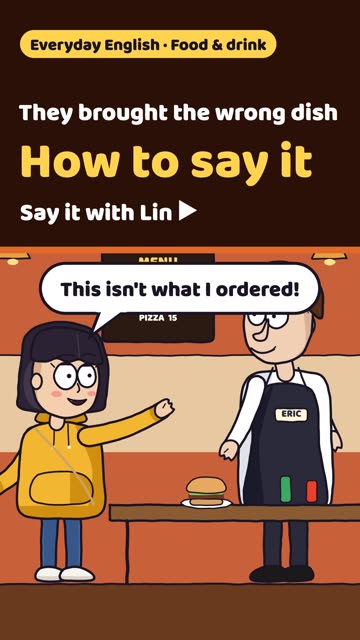
I'm so sorry. I'll fix that right away.The wrong dish arrived · Intermediate
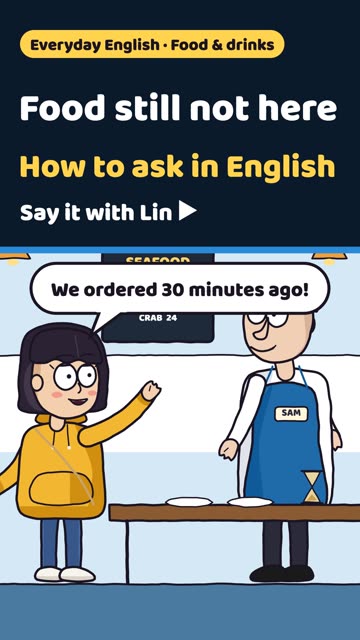
Oh, I'm so sorry! Let me check on that.Checking on a late order · Intermediate
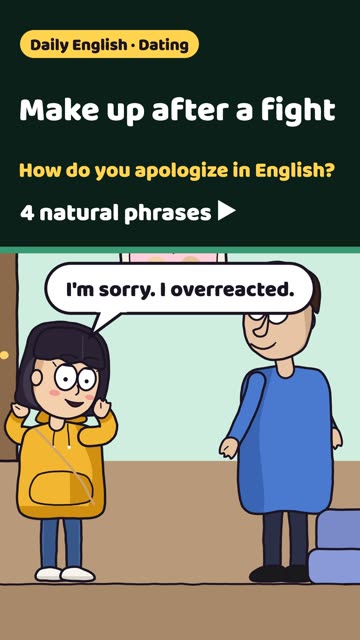
Hey... I'm sorry. I overreacted.Making up after a fight · Intermediate
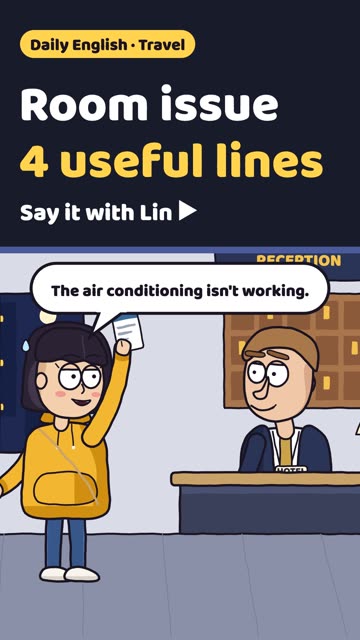
I'm so sorry about that. What's your room number?Changing rooms at a hotel · Intermediate
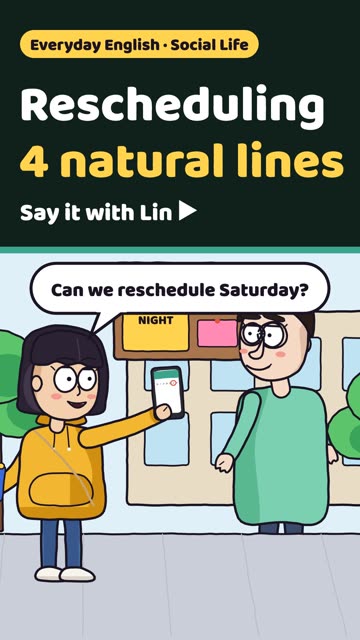
Something came up. I'm so sorry.Rescheduling plans · Intermediate
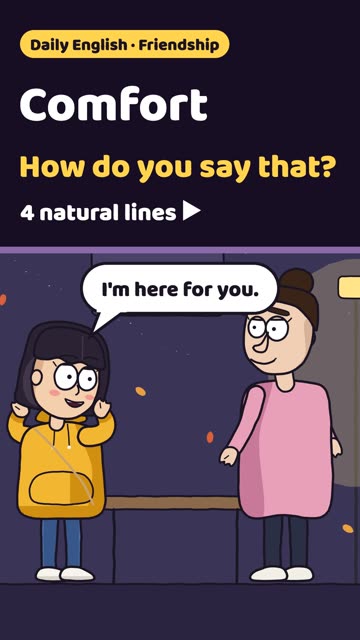
Oh no. That sucks. I'm so sorry.Comforting a friend · Intermediate
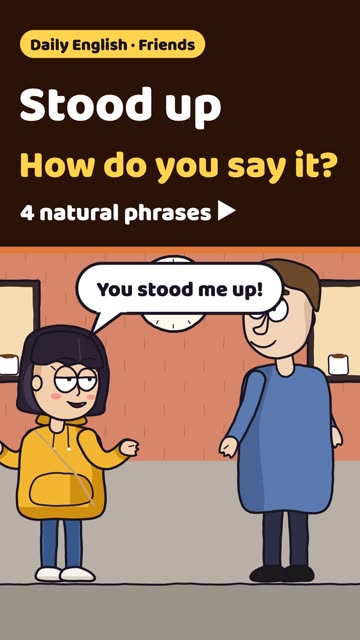
I'm so sorry! I totally forgot.When a friend stands you up · Intermediate

I'm so sorry. The next one leaves at nine tonight.Rebooking a canceled flight · Intermediate
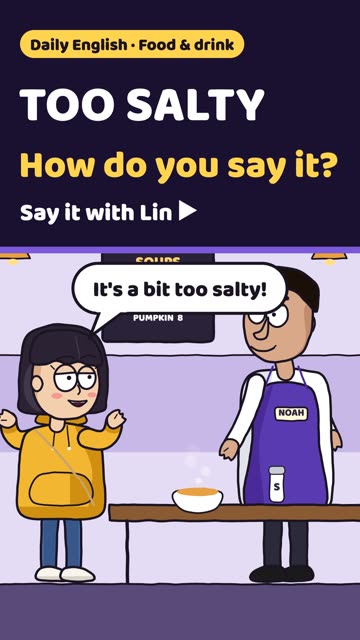
Oh, I'm so sorry! Let me check with the chef.Food is too salty · Intermediate
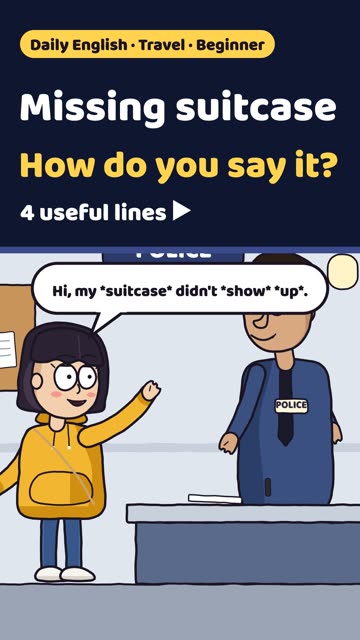
I'm sorry. Do you have your tag?My suitcase didn’t show up · Beginner
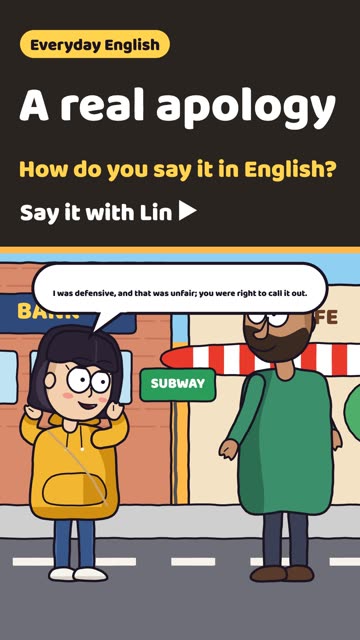
Ethan, could I say I'm sorry without making this weirder?Apologizing · Advanced
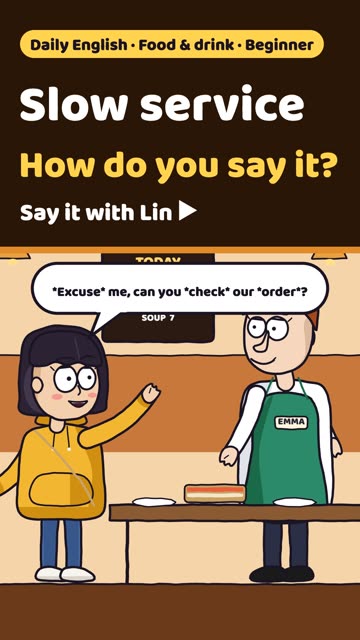
I'm sorry. I'll check right now.Complaining about slow service · Beginner
Shadow
Line by line
Lin
I'm so sorry. I'll fix that right away.
Lin
Oh, I'm so sorry! Let me check on that.
Lin
Hey... I'm sorry. I overreacted.
Other ways to say it
Sorry about that.
More casual and lighter for small problems.
I apologize.
More formal, often used at work or in serious situations.
My bad.
Very casual for small mistakes only.
Quick answers
Does "I'm sorry" mean an apology or sympathy?
Both. It can mean "I made a mistake," and it can also mean "I feel bad for you" after sad news.
What is the difference between "I'm sorry" and "I'm so sorry"?
"I'm so sorry" is stronger. Use it for bigger mistakes, stronger feelings, or more sympathy.